Biology
Articles, guides and definitions about Biology — part of Science on Worldlession.
Clear explainers across the natural and formal sciences, from physics and chemistry to astronomy and earth science.
Articles, guides and definitions about Biology — part of Science on Worldlession.
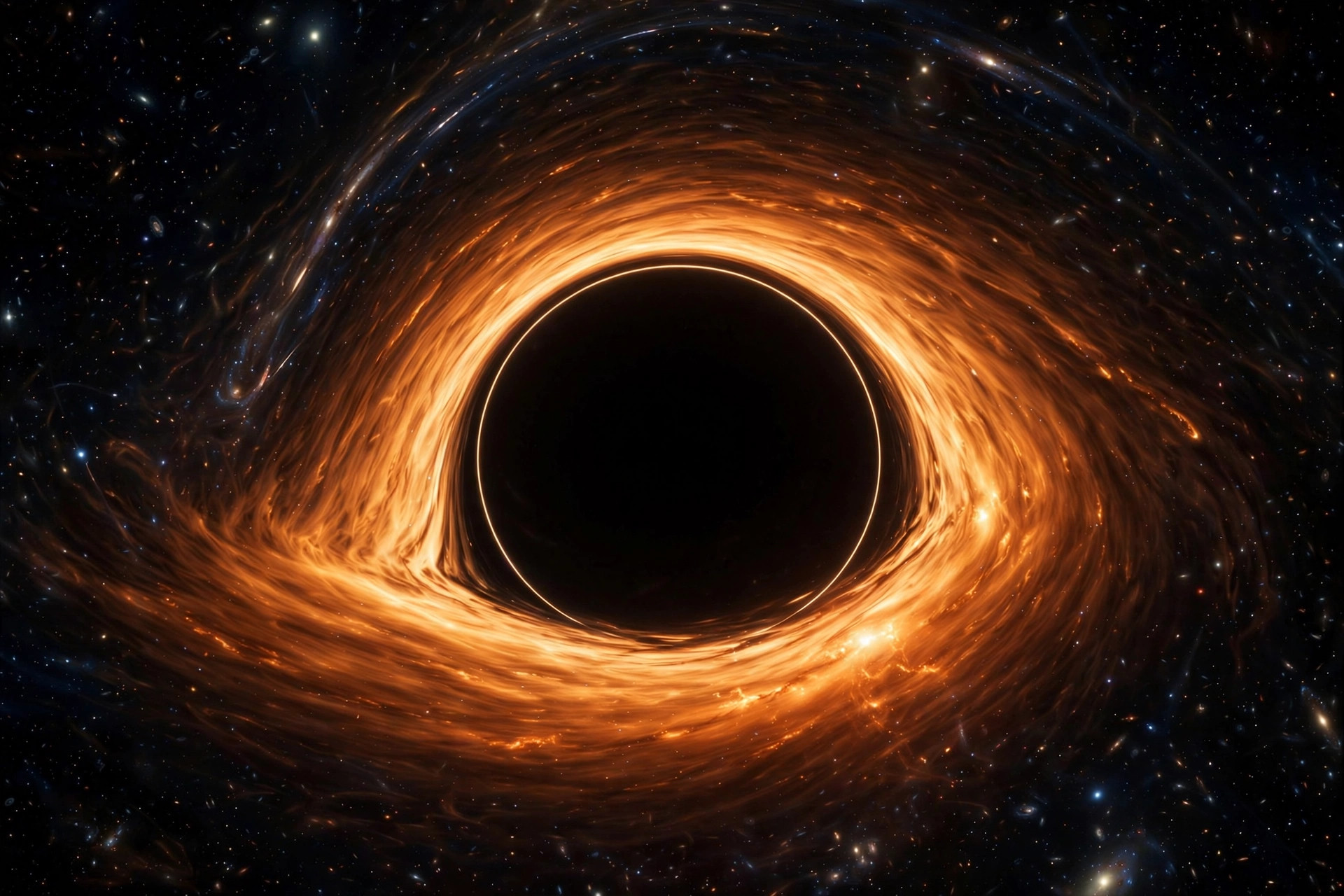
A black hole is a region where gravity is so strong that nothing, not even light, can escape. This guide explains what a black hole is, how one forms, what the event horizon does, what would happen if you fell in, and why the nearest known black hole — about 1,500 light-years away — poses no danger to Earth.
Anthropic mathematician Levent Alpöge says he and Claude have proved the Riemann hypothesis, the 167-year-old problem about prime numbers. The proof exists only as Lean computer code so far. Independent mathematicians have now compiled and rechecked the code and say the proof is almost certainly real — but a final comparator check is still pending, and the $1 million Clay prize is not won yet. Here is what was claimed, what it would mean, and what happens next.
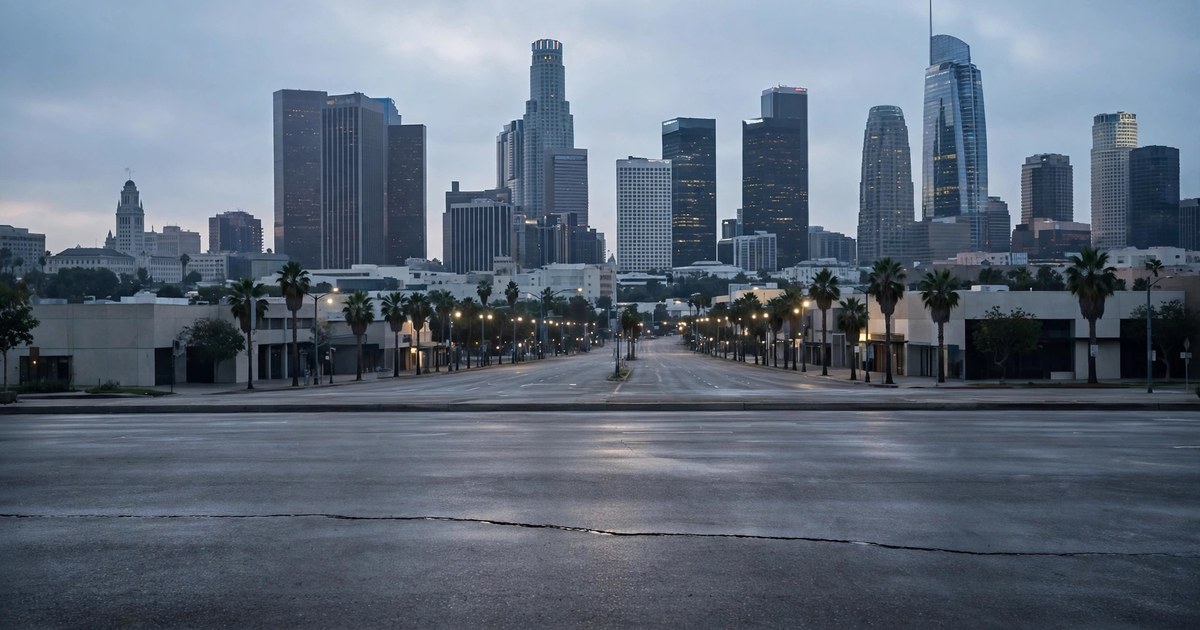
A magnitude 4.4 earthquake struck near downtown Los Angeles at 3:25 a.m. on Friday, 20 November 2026, waking the city and drawing more than 7,500 felt reports — California's second earthquake of the night after a 5.1 near Pinnacles.
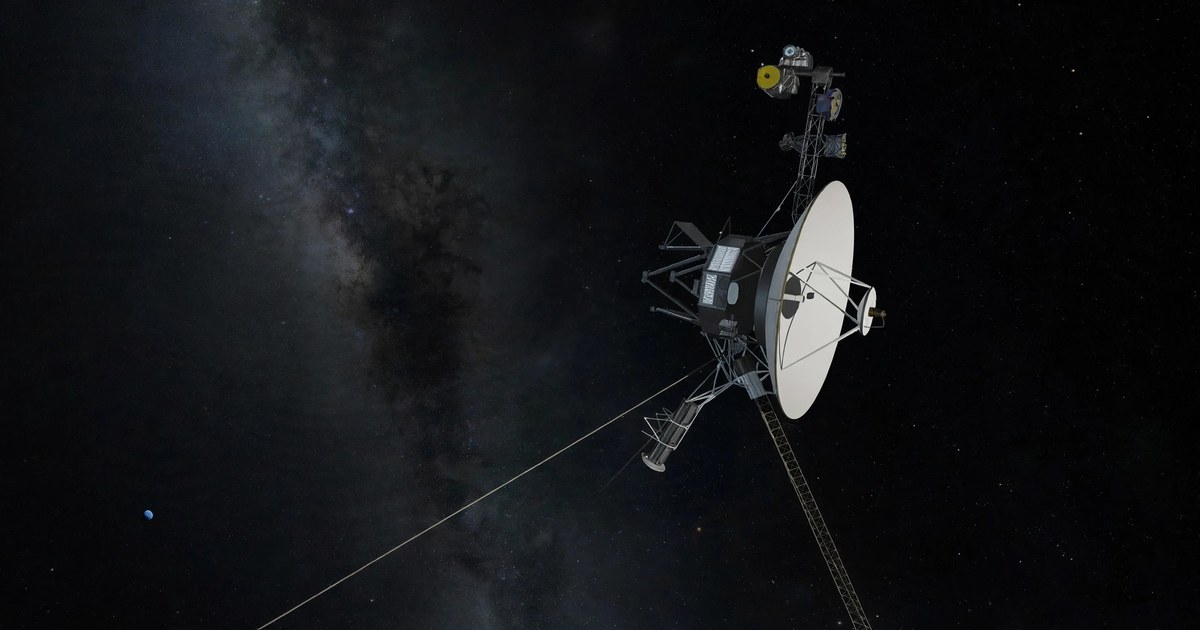
Voyager 1 crossed one light-day from Earth on 18 November 2026, 25.9 billion km out. What a light-day is, why signals now take 24 hours each way, and where the 49-year-old probe is headed next.
China's COMAC flew its 19-seat battery-powered CE-25A with a crew on board for the first time on 14 November, covering 60.4 km in just under 17 minutes — a real milestone, but far short of the aircraft's 400 km design target.
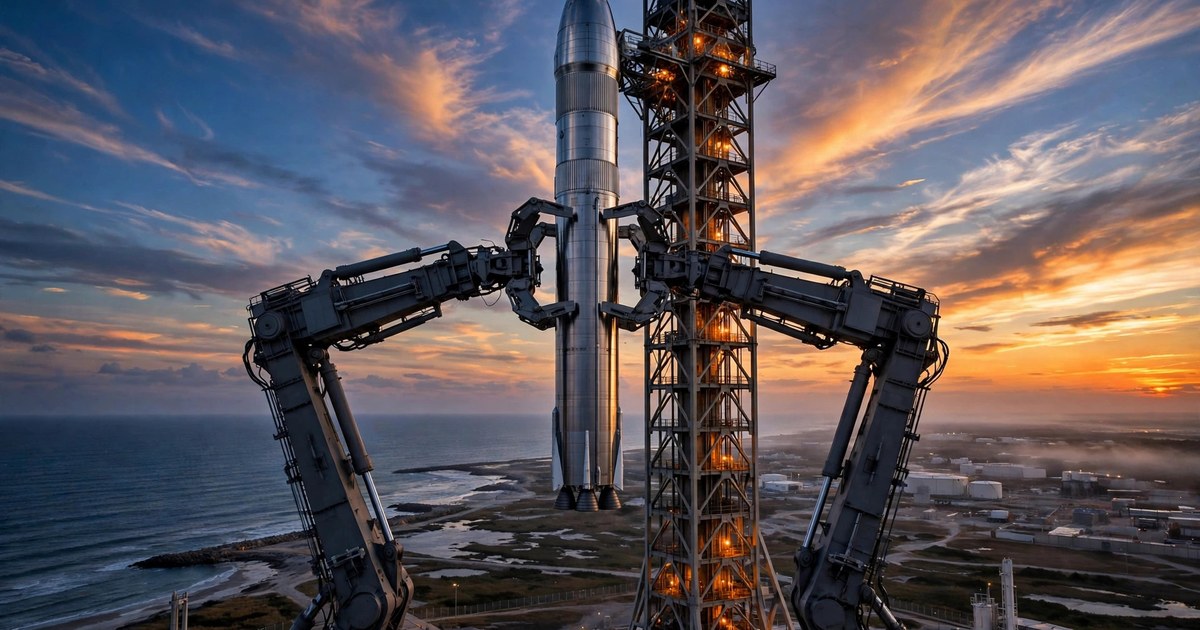
SpaceX caught Starship Ship 42 with the Mechazilla tower arms on 14 November 2026 after 14 orbits and 26 Starlink deployments — the first time an orbital upper stage has ever been caught. The Super Heavy booster missed its catch and splashed down in the Gulf of Mexico.
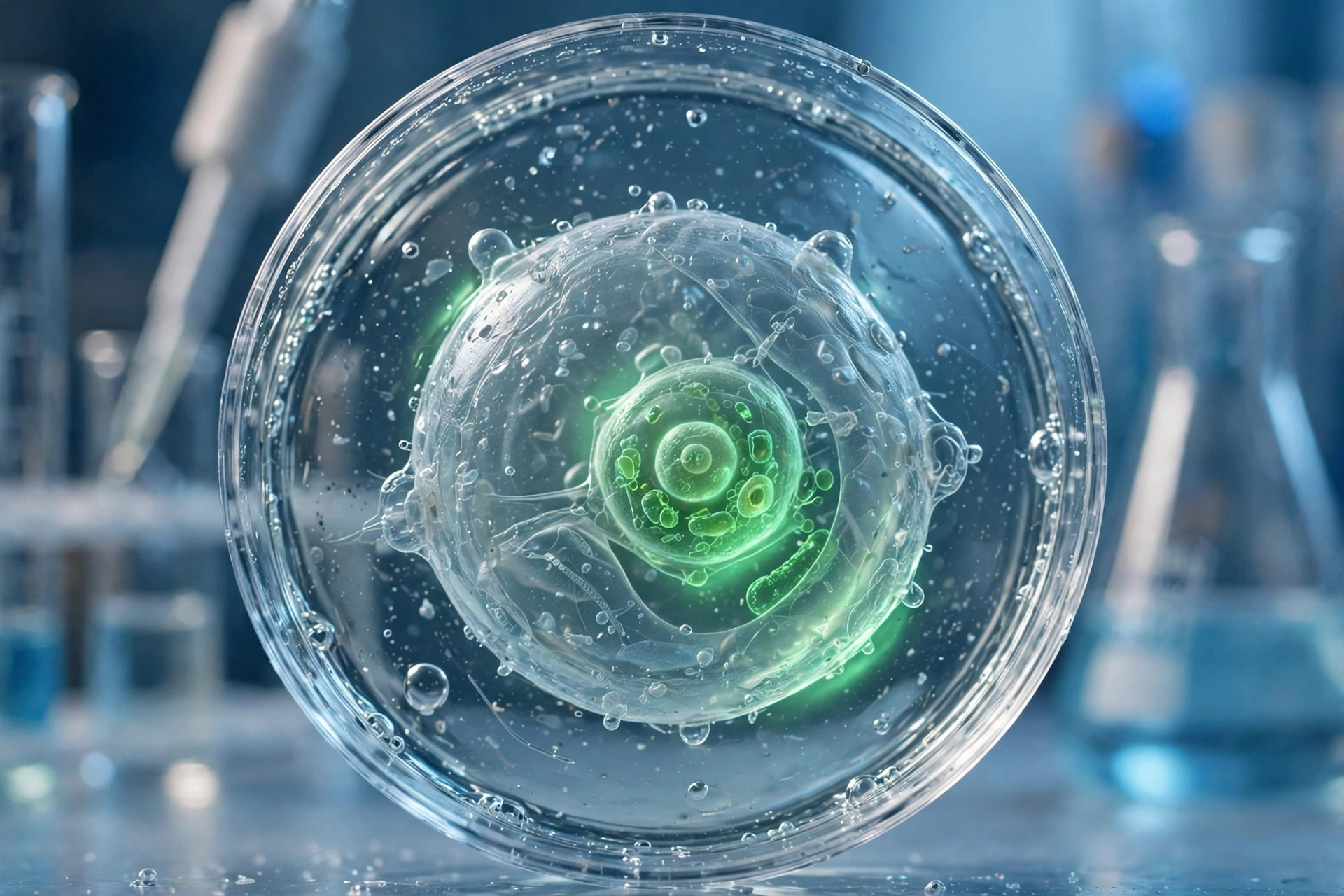
A Japanese team at the University of Tokyo and partners fused a red alga's genome into hamster and human cells, creating stable 'planimal' cells that kept the algal DNA for over 150 generations — but the cells cannot photosynthesise yet, because their chloroplasts broke down.
A magnitude 5.1 earthquake struck 39 km south of Moíres, Crete, at 02:05 local time on 13 November 2026. The USGS reviewed the figures, only two people reported feeling it, and no damage or injuries were reported.
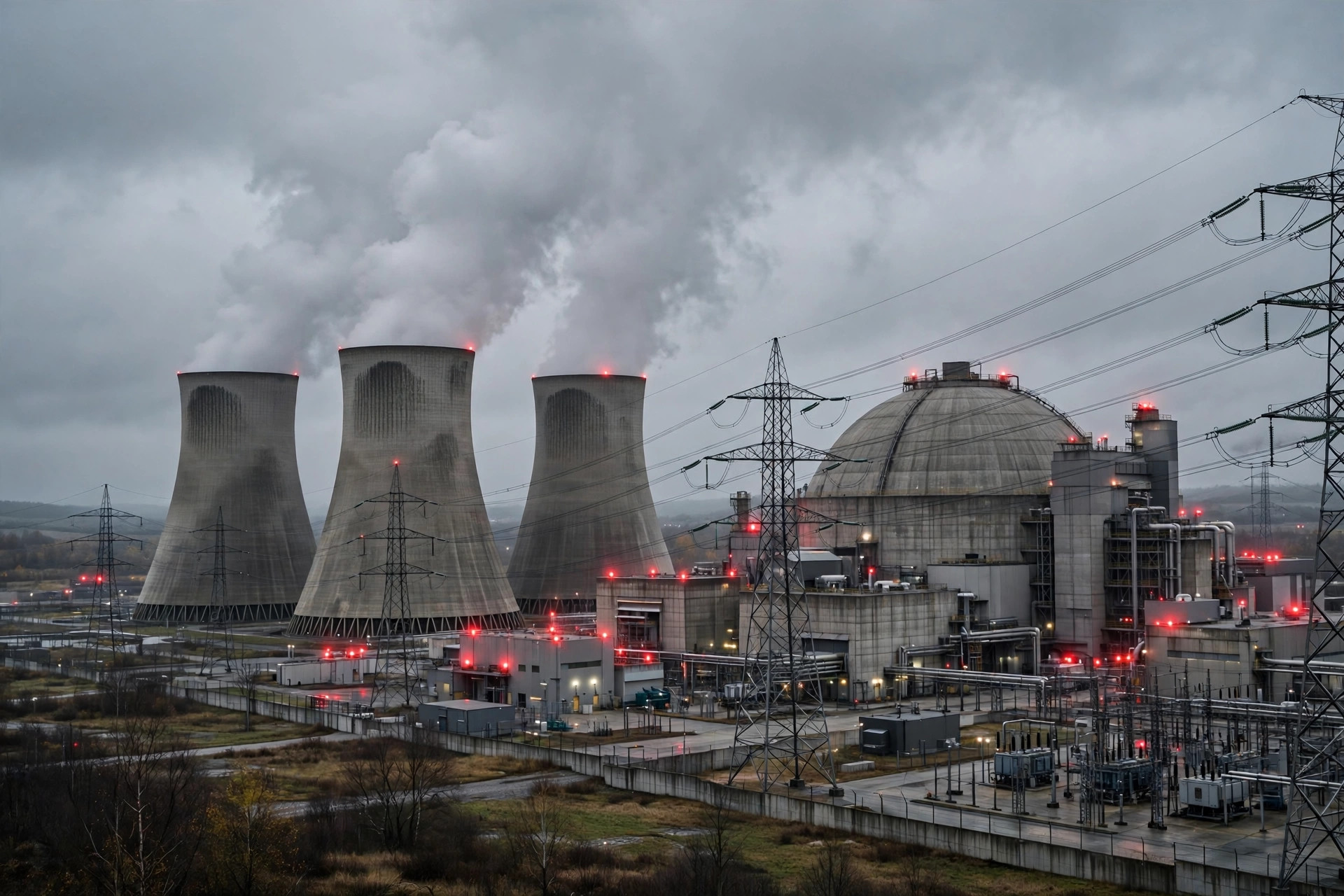
Early on 8 November 2026 the Zaporizhzhia nuclear plant lost its only remaining offsite power line and ran on emergency diesel generators; power was restored later the same day, in the 27th complete loss of offsite power at the plant since the conflict began.
A magnitude 5.7 earthquake struck western Shizuoka Prefecture at 01:04 JST on Sunday 8 November 2026, about 18 km north of Hamamatsu, injuring at least 22 people and shaking a wide area of central Japan. No tsunami warning was issued, and the Japan Meteorological Agency warned of possible strong aftershocks over the coming week.
Hanwha Aerospace opened South Korea's largest private rocket factory in Suncheon on 4 November 2026. The 59,504 sq m plant will assemble the sixth Nuri rocket for a 2027 launch and anchor Hanwha's push into commercial spaceflight.
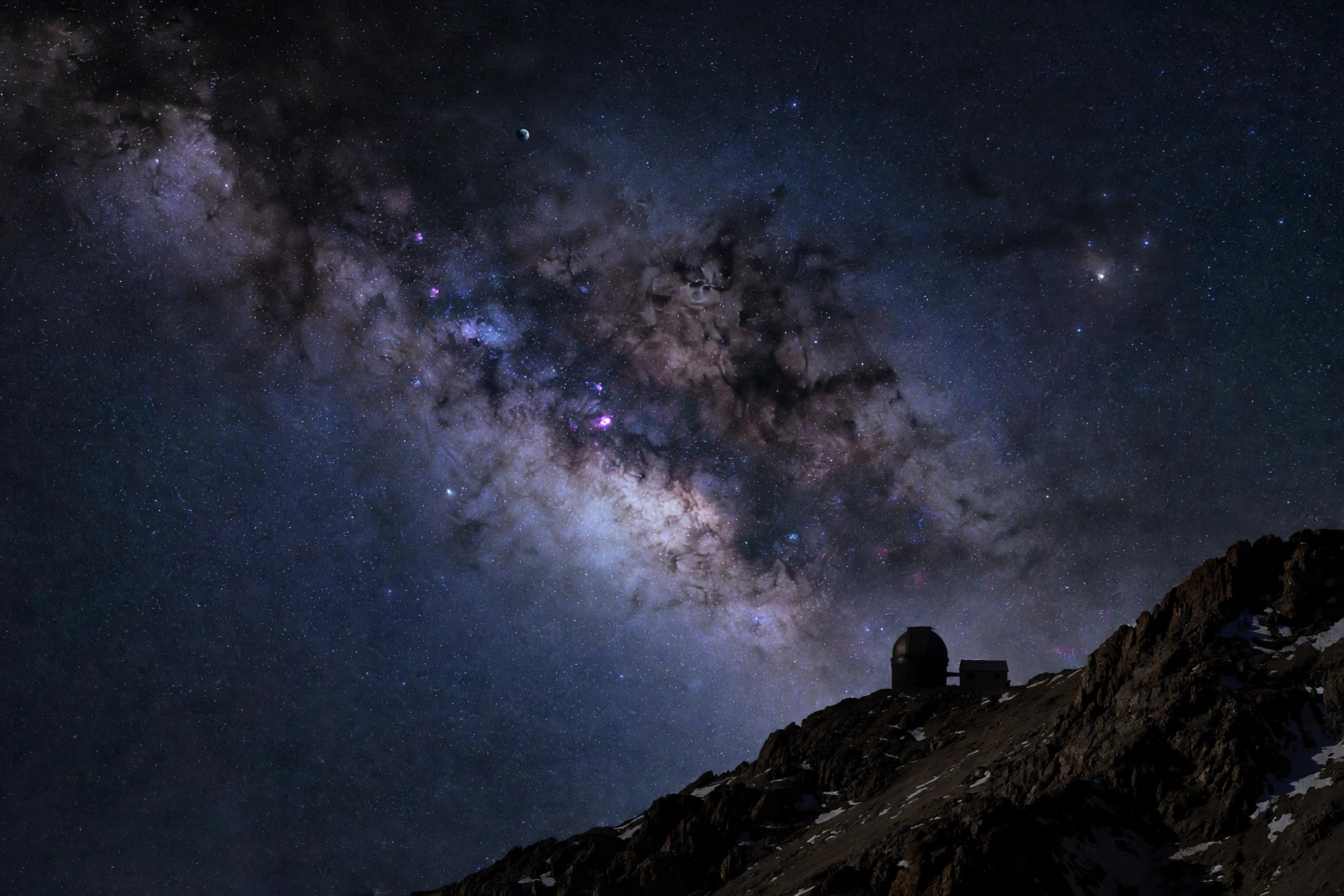
The Vera C. Rubin Observatory has found 2026 ED138, a possible sixth dwarf planet orbiting about 46 astronomical units from the Sun. This explainer covers what the object is, why its size is still a wide estimate, why it stayed hidden, and what astronomers must prove before it can join the five recognised dwarf planets.
A black hole is a region of space where so much mass is packed into such a small volume that gravity becomes strong enough to stop even light from escaping. The boundary past which nothing can escape is called the event horizon. Black holes form when very massive stars die and their cores collapse, and the largest ones sit at the centres of galaxies.
Read more in: What Is a Black Hole? The Nearest One Is 1,500 Light-Years Away
Almost certainly real, but not yet formally established. Anthropic mathematician Levent Alpöge claims he and Claude proved the Riemann hypothesis and released the proof as Lean computer code on 20 November 2026. Independent mathematicians have since compiled and rechecked the code — MIT's Andrew Sutherland says the chance anything is 'fishy' is 'approximately zero' — and Scientific American reports they are now almost certain the proof is real. A final comparator check is still pending, so it is not yet an established result.
Yes. A magnitude 4.4 earthquake struck near downtown Los Angeles at 3:25 a.m. Pacific time on Friday, 20 November 2026, according to the United States Geological Survey. Its epicentre was about 1 kilometre north-northwest of Commerce, roughly 5 miles east-southeast of downtown Los Angeles.
Read more in: Los Angeles Earthquake: 4.4 Magnitude Quake Wakes City at 3:25 AM — November 2026
economics circulatory system education test inflatoin health explainer