
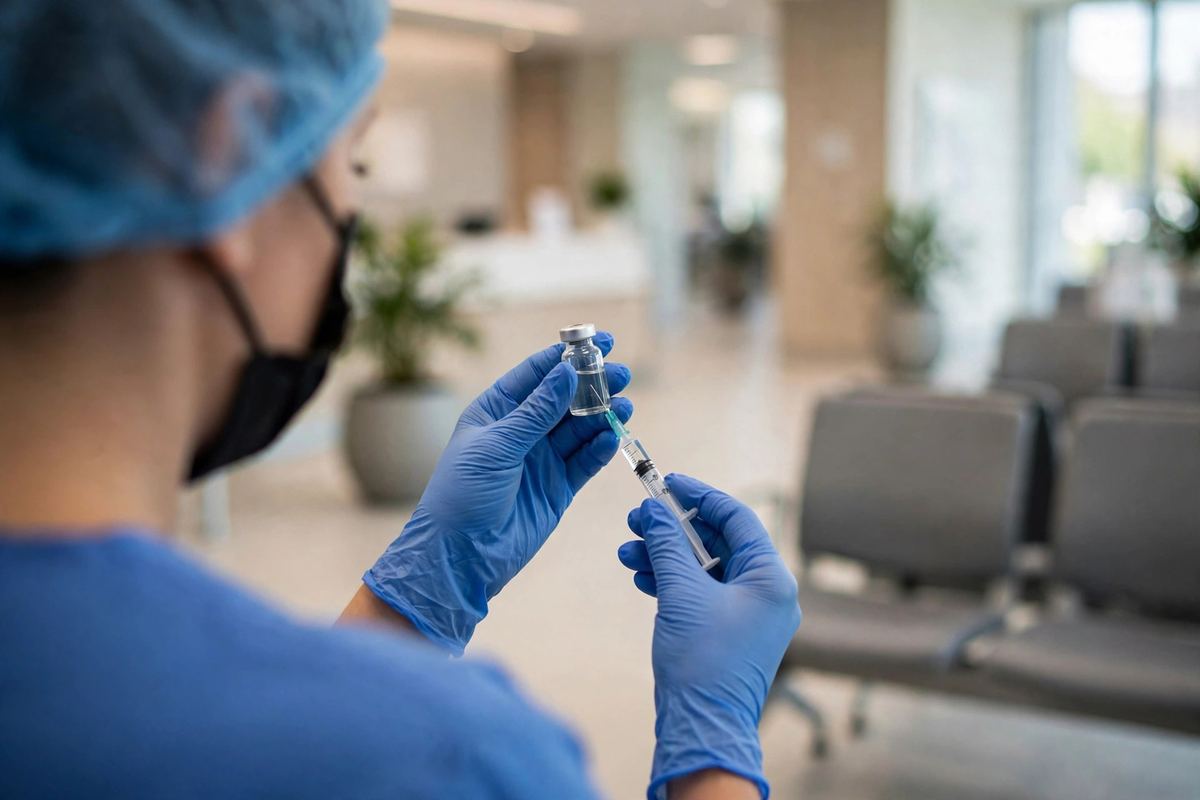
New Zealand health authorities reported a travel-linked measles case in Wellington in October 2026. Descriptions of an "unprecedented" outbreak spilling over into Australia date from the 2019 outbreak, which included cases in Canterbury. The October 2026 case highlighted gaps in immunisation coverage that have been building for years. Health officials urge people to check their vaccination status, catch up on missed doses, and be alert for symptoms. Measles is one of the most contagious diseases known to medicine, and it can cause serious complications, particularly in young children and people with weakened immune systems. The case is a reminder that diseases once thought to be under control can return quickly when vaccination coverage slips.
To understand why measles is so concerning, it helps to know how it spreads. Measles is caused by a virus that spreads through the air when an infected person coughs or sneezes. The virus can linger in the air for up to two hours after an infected person has left a room, and it can infect up to 90 per cent of susceptible people who are exposed. An infected person can spread the virus for several days before the characteristic rash appears, which makes it difficult to contain. Symptoms typically begin with fever, cough, runny nose and red, watery eyes, followed by a blotchy red rash that usually starts on the face and spreads downward. Most people recover, but measles can cause pneumonia, brain inflammation, ear infections, and, in rare cases, death. It can also suppress the immune system for weeks or months, leaving people vulnerable to other infections. There is no specific antiviral treatment for measles; care is supportive, which is why prevention through vaccination is so important.
The vaccine against measles is highly effective. The MMR vaccine, which protects against measles, mumps and rubella, is about 97 per cent effective after two doses. It has been used safely for decades and is one of the most studied vaccines in medicine. The reason outbreaks occur is not that the vaccine fails, but that not enough people have received it. Measles requires very high vaccination coverage to stop spreading, typically around 95 per cent of the population with two doses, because the virus is so contagious. When coverage falls below that threshold, even in a population that has eliminated the disease, imported cases can ignite outbreaks. New Zealand's outbreak is an example of that dynamic. Cases linked to international travel have seeded transmission in communities where immunity gaps exist, particularly among adults who missed vaccination as children or who received only one dose.
The scale of the immunity gap in the region is larger than many people realise. A major Australian study led by the National Centre for Immunisation Research and Surveillance, published in the Australian and New Zealand Journal of Public Health, estimated that about 1.7 million Australians, or 6.7 per cent of the population, were susceptible to measles in 2019, meaning they did not have sufficient immunity. Overall measles immunity in Australia was estimated at 93.3 per cent, below the 95 per cent threshold needed to prevent outbreaks. Experts warned that immunity gaps may have widened since then, as childhood vaccination coverage has continued to decline. Australian measles notifications have risen sharply since 2022, from single digits to 181 in 2025, with 113 cases recorded so far in 2026. Those figures show that the region was already vulnerable before the current New Zealand outbreak began.
New Zealand's outbreak has exposed similar gaps. Reporting in New Zealand Doctor has highlighted how the Canterbury outbreak is revealing the missing link in immunisation: adults whose vaccination records are incomplete or lost, and who may not realise they are unprotected. The Ministry of Health provides free MMR vaccinations to eligible individuals, and officials have been encouraging people who are unsure of their vaccination status to check their records or contact their healthcare provider. Health officials have also been working with community health providers to increase access to vaccinations in underserved areas, and have been conducting contact tracing to identify and notify people who may have been exposed. A new measles case in Tauranga, reported by Radio New Zealand, illustrated how individual cases trigger public health alerts and contact tracing efforts.
Spillover into Australia was reported during the 2019 outbreak; no Australia spillover was reported in the October 2026 live coverage checked. Travel links still mean imported cases are possible when an outbreak is active in one country. Thousands of people cross the Tasman every day for work, tourism, family visits and education. When an outbreak is active in one country, imported cases in the other are almost inevitable unless travellers are immune. Australian health authorities have been monitoring the situation and urging travellers to ensure they are vaccinated before departure. The lesson from past outbreaks is that travel-related cases can be contained if the receiving population has high immunity, but can spark local transmission if it does not. The current Australian immunity estimate, at 93.3 per cent, suggests that the margin for error is thin, and that local transmission from imported cases is a real risk.
The outbreak also raises questions about why vaccination coverage has slipped. The reasons are complex and vary by community. Some parents delay or decline vaccination because of misinformation about vaccine safety, despite decades of evidence that the MMR vaccine is safe and effective. Others face practical barriers, such as difficulty accessing clinics, inconvenient appointment times, or a lack of clear information about eligibility. The COVID-19 pandemic disrupted routine immunisation programmes in many countries, causing some children to miss scheduled doses. In New Zealand, the loss of vaccination records, particularly for adults who were vaccinated decades ago, makes it hard for individuals to know whether they are protected. Health officials have emphasised that the solution is not blame, but access: making it easy, free and convenient for people to check their status and get vaccinated.
What should individuals do? The advice from health authorities is consistent. First, check your vaccination status. If you have had two doses of MMR vaccine, you are considered protected. If you have had only one dose, or if you are unsure, contact your healthcare provider about getting a catch-up dose. The vaccine is free for eligible people in New Zealand, and catch-up vaccination is available in Australia as well. Second, be alert for symptoms, particularly if you have been in contact with a confirmed case or have travelled to an area with active transmission. If you develop fever, cough, runny nose, red eyes and a rash, seek medical advice by phone first, rather than visiting a clinic in person, to avoid exposing others. Third, if you are planning to travel, ensure you are vaccinated at least two weeks before departure, as it takes time for the vaccine to provide full protection.
What happens next will depend on how quickly vaccination coverage can be lifted and how effectively cases can be contained. Public health teams will continue contact tracing, targeted vaccination campaigns and public awareness efforts. The outbreak will eventually be brought under control, as measles outbreaks are when immunity rises and transmission chains are broken. But the episode is a warning. Measles elimination status, which both Australia and New Zealand have held, is not permanent. It must be maintained through consistently high vaccination coverage, year after year. When coverage slips, even by a few percentage points, the virus returns. The current outbreak is an opportunity to close the immunity gap before it widens further, and to remind a generation that has never seen measles at scale just how serious it can be.
Related reading: New Zealand election leaders debate
Related reading: Australia's digital duty of care bill