
The Vance letter to Iran was reported in late October 2026 as the last diplomatic opening before a possible new confrontation between the United States and Iran. US Vice President JD Vance wrote to Mohsen Rezaei, secretary of Iran's Supreme National Security Council, offering a route back to negotiations, according to The Wall Street Journal. The letter, sent on Sunday after mediation led mainly by Qatar, set out a sequence under which Tehran would agree at the start to commitments on its nuclear programme, and within seven days that process would lead to the reopening of the Strait of Hormuz, with Washington easing sanctions in return. President Donald Trump publicly described the outreach differently, saying it concerned medical supplies, and accounts differed on who had initiated it. No breakthrough had been confirmed. This article explains what the letter said, who Rezaei is, what Iran's seven-day plan proposed, why the two sides were stuck on the order of steps, and what was happening at sea while diplomats talked.
Vance letter to Iran: what the letter proposed
According to The Wall Street Journal, as reported in the coverage, the letter sought to establish whether the two sides shared enough common ground to persuade President Trump to delay what officials had described as a "short but intense" military campaign. The contacts focused on a framework for possible negotiations rather than a detailed agreement, and Axios reported that the letter stressed any talks must address Iran's nuclear programme. The Guardian's account, summarised in the coverage, said the letter set out a sequence: Tehran would agree at the start of the process to commitments on its nuclear programme, and within seven days that process would lead to the reopening of the Strait of Hormuz, the narrow waterway through which much of the region's oil moves. In return, Washington would ease sanctions on Iran. A reply was expected soon, but the two sides were stuck on the order of events, the Guardian reported. Iran was unwilling to hand over irreversible concessions up front, such as shipping its stockpile of highly enriched uranium to another country, while the American steps it would receive in return, including lifting sanctions on its oil exports, could later be reversed.
Accounts differed on who started the outreach, and the difference mattered because it affected how each side read the other's intentions. The Journal said the letter was sent at Mr Trump's direction, while a US official told Axios that Mr Vance had proposed it and the president welcomed it. Asked whether he had told Mr Vance to restart negotiations, Mr Trump said "no", according to the reporting, and described the contact as related to medical supplies. Vance wrote to Rezaei rather than to the speaker of parliament or to the foreign minister, Abbas Araghchi, because Washington judged that real decision-making power lay with those closest to the Islamic Revolutionary Guard Corps (IRGC), the Guardian reported. Rezaei, a former commander of the IRGC, was described as one of Iran's most powerful security officials. Qatari mediators delivered the letter, and it was reportedly well received in Tehran, according to one account, although "well received" is not the same as accepted, and no Iranian reply committing to the sequence had been reported.
Iran's seven-day plan to reopen the Strait of Hormuz
Running alongside the Vance letter was Iran's own proposal: a seven-day plan to reopen the Strait of Hormuz. Foreign Minister Abbas Araghchi said Tehran remained in close and ongoing contact with intermediaries on the plan, which he said could be carried out in "even less than a week", according to the reporting. The plan, as described, envisaged US steps first, including ending hostilities, lifting the naval blockade, easing oil-export restrictions and releasing frozen assets, followed by Iran reopening normal commercial traffic through Hormuz and then broader talks. Mediators from Pakistan, Qatar, Egypt and Turkey were trying to narrow the gaps between the two sides. A Qatari draft proposal to end the war had been presented to Iran on 26 October, and an Iranian official called it unacceptable, according to the reporting. The sequencing dispute was therefore the heart of the negotiation: the US side wanted nuclear commitments at the start, while Iran wanted American steps first and broader talks afterwards.
One idea under discussion to break the sequencing deadlock was a guarantee from a third party that both sides would keep their word. China was the country most often mentioned in that context, as the only power considered to carry enough weight to underwrite such a deal, according to the Guardian account. The reporting also noted a cautionary history: a fourteen-point memorandum of understanding negotiated previously had collapsed once other members of the American administration took charge of putting it into practice, and Washington had then taken unilateral steps to reopen the strait, which Iran said broke the terms of that agreement. That history helps explain Iranian reluctance to make irreversible concessions first. It does not prove that the current proposal would meet the same fate, but it explains why Tehran sought guarantees and why the order of steps, rather than the broad goal of reopening the strait, became the sticking point.
Vance letter to Iran: warnings of post-midterm strikes and tanker incidents
The diplomacy took place against warnings of renewed military action. Washington had warned several Gulf Arab states to prepare for a possible new campaign after the US midterm elections on 3 November, The Wall Street Journal reported, and Trump had said he would not launch an attack on Iran before the midterms, but on Friday said the US might carry out another military operation against Iran, according to Reuters. The cost of the war so far had also become a public fact: the Pentagon told lawmakers the cost had risen to $47.1 billion through 16 October, with bombs, missiles and other munitions accounting for more than 60% of the expenses, according to the reporting. The war, which began on 28 February with US and Israeli strikes on Iran, had, according to the reporting, killed 21 American service members and wounded 865, and had seen more than 50,000 troops assigned to the mission. Those figures framed the stakes of both the diplomacy and the threatened campaign: a renewed offensive would be expensive, dangerous and economically disruptive, while a diplomatic failure would leave the strait, and the region, in continued tension.
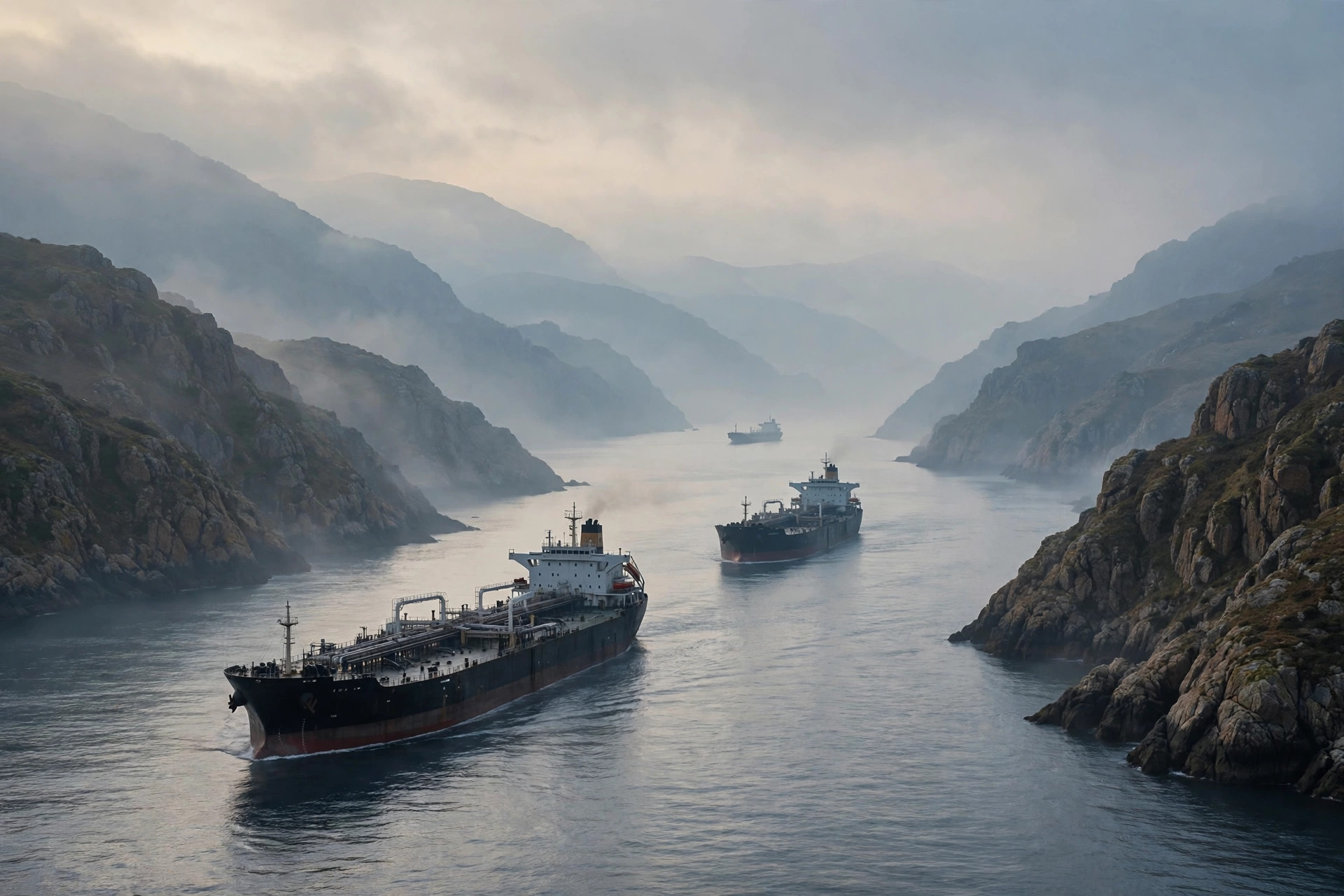
At sea, the tension was visible in competing claims about tankers. Iran's Revolutionary Guard said three tankers had hit mines while using an unauthorised route south of the strait, a claim rejected by US Central Command, which said the main transit lanes were clear and thousands of vessels had passed safely, according to the reporting. The IRGC Navy stated that over the past 24 hours, three oil tankers had exploded and caught fire after striking mines while attempting an unauthorised southern route, with vessels having switched off radar and navigation systems and ignored warnings. UK Maritime Trade Operations received a report of a tanker on fire approximately 9 nautical miles north of Khasab on the Musandam Peninsula in Oman, with a passing vessel describing the tanker as having been hit by a projectile and largely submerged, and the crew's status unknown, according to the reporting. Independent confirmation remained limited. Ship-tracking data showed roughly 25 crossings in 24 hours, with an estimated 0.48 million barrels of oil moving outbound through the strait, about 96% below pre-war levels, according to one account. Readers should therefore treat the mine claims as contested, and the shipping slowdown as the better-established fact.
Oil prices, Gulf fears and what happens next
Oil prices fell on Thursday after reports of the new diplomatic push, with Brent dropping below $110 and West Texas Intermediate slipping from about $103 to $100.80, according to the reporting. The fall was limited, because no breakthrough had been confirmed and an Iranian official had called the latest draft unacceptable. The reporting described an "attrition premium" of roughly $25 to $30 in the oil price, reflecting Gulf exports down for four consecutive weeks, strait transits near 60% of normal, and the Saudi bypass pipeline hit. A verified reopening of the strait, with tankers sailing and insurers returning, would remove most of that premium over about a month and bring WTI into the $70s, according to one market analysis in the coverage. That analysis is a market judgement, not a promise, and it depended on a ceasefire that held, escorts that worked and insurers that returned. The fear in the Gulf was concrete: Tehran had warned that Gulf airports, pipelines and other civilian facilities could become targets if the United States and Israel renewed their air campaign, according to The Wall Street Journal, citing people familiar with diplomatic warnings.
What happens next depended on Tehran's reply to the Vance letter, on mediator activity by Qatar and others, on US force-posture moves after the election, and on whether the seven-day sequencing gained traction or remained a public signal. The letter may have been the final diplomatic opening before a new confrontation, as the Guardian's account put it, or it may have been one step in a longer negotiation in which public positions hardened before private compromises were found. Either way, the Vance letter to Iran showed that direct contact at the highest security level was still possible, even as military warnings and tanker incidents continued. The test was not whether a letter had been sent, but whether it produced a sequence both sides could accept, in the right order, with guarantees both sides could trust. Related coverage includes our reporting on US warnings to the Gulf over post-midterm strikes, the Ras Tanura attack and oil prices, and Iran's earlier claims about tankers struck in Hormuz.