
Sanaa airstrikes killed 44 people, including 21 children, when strikes hit homes in a village east of Yemen's capital on Saturday, 7 November 2026. Houthi health officials announced the revised toll late on Sunday and repeated it on Monday, raising it from an initial figure of 33 dead. Rescue teams were still digging through rubble for missing people when the update was given, so the toll may rise further.
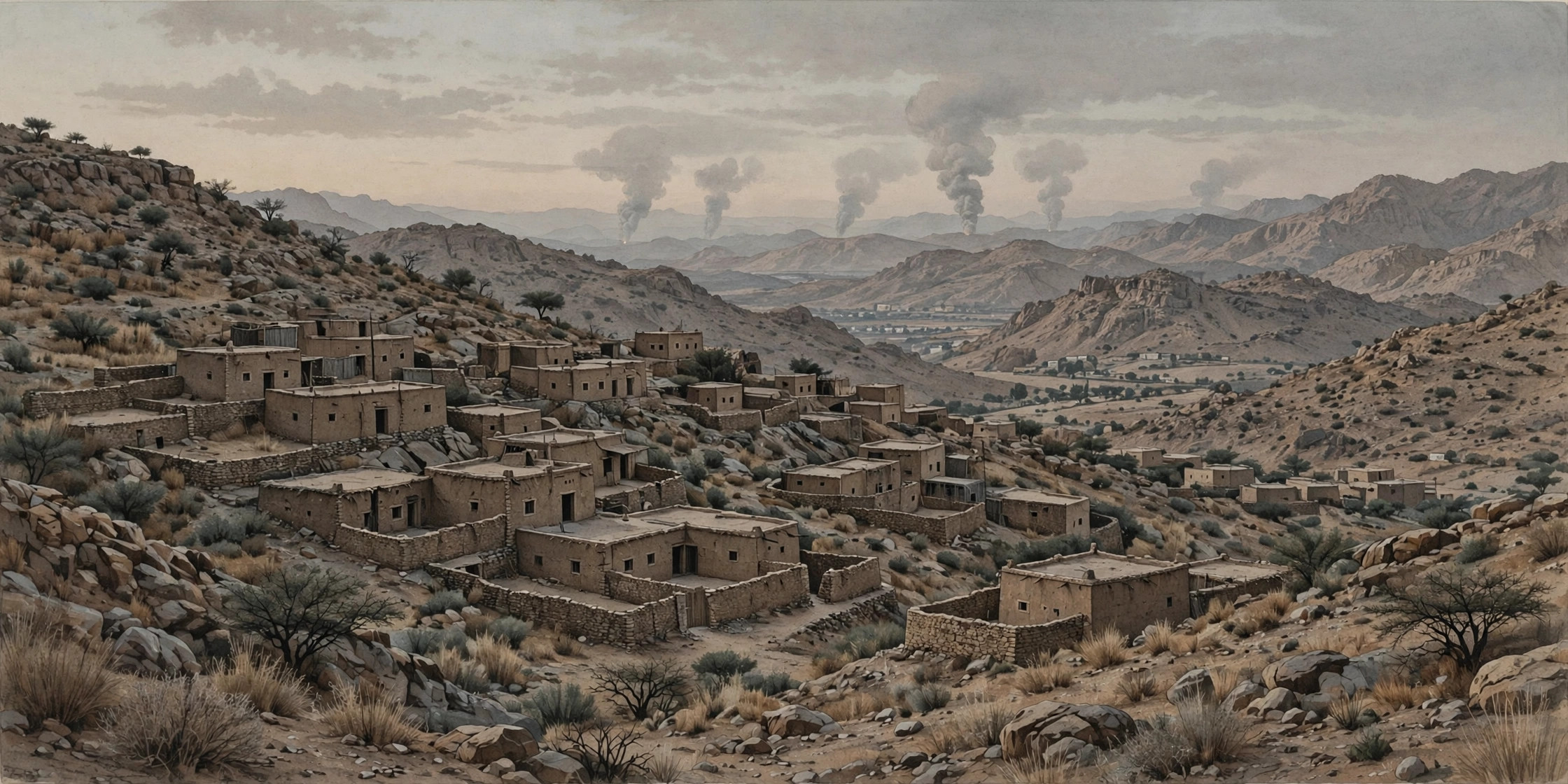
The strikes hit al-Shariya, a village in the Bani Hushaysh district about 15 kilometres east of Sanaa. They came on the deadliest weekend Yemen has seen since fighting flared again in July, after a truce that had largely held since 2022 broke down. Houthi authorities blame Saudi Arabia for the attack. Riyadh has not commented, and no independent organisation has verified the casualty figures — a gap that matters, because almost everything the world knows about this strike comes from the Houthi-run Health Ministry.
What Happened: Sanaa Airstrikes Hit Homes in Al-Shariya
The strikes hit residential buildings in al-Shariya on Saturday, according to the Associated Press, which cited the Houthi-run Health Ministry and footage from the Houthi-run Al-Masirah television channel. The channel broadcast images of smoke rising over the village and of residents carrying bodies from the rubble of destroyed houses. Of the 44 people reported killed, 21 were children and 10 were women. Forty more people were wounded, among them eight children and nine women, according to Anees al-Asbahi, the spokesperson for the Houthi-run Health Ministry.
Houthi officials also said later strikes hit rescue workers as they tried to reach survivors. That claim, too, has not been independently verified. What is certain from the reporting is the shape of the incident: an attack on homes, not a military base, in a farming village outside the capital — and a casualty list in which children account for nearly half of the dead.
Why the Sanaa Airstrikes Death Toll Rose From 33 to 44
The first reports put the toll much lower. On Saturday, Reuters reported that the Houthi-run news agency counted 33 people killed and 39 wounded. By late Sunday, the Houthi-run Health Ministry had raised the figure to 44 dead and 40 wounded, and it announced the update again on Monday through Al-Masirah television.
The rise follows the pattern of a toll counted while rescue work is still under way. Bodies are pulled from rubble over hours and days, and the ministry said teams were still searching for people believed to be missing when the latest figures were released. Until that search ends, 44 is a reported figure, not a final one — and the history of this war suggests it is more likely to rise than to fall.
Who Is Blamed for the Sanaa Airstrikes — and What Is Not Verified
Houthi authorities blame Saudi Arabia and the Saudi-led coalition for the strikes, describing them as an attack on residential areas and, in the Houthi health ministry's words, a massacre. Saudi Arabia, which leads the coalition fighting the Houthis, has not commented on the strike. Reuters reported that Saudi Arabia's Centre for International Communication said it was investigating the allegations.
That leaves two central facts unconfirmed: who flew the strikes, and whether the casualty figures are accurate. The Associated Press said it could not independently verify the Houthi claims, and the BBC reported the same caveat when it carried the initial toll of 33. Readers should treat the numbers as the Houthi authorities' account until an independent source confirms them. The attribution matters as much as the toll — in a war where both sides blame each other for civilian deaths, an unverified claim is not the same as an established fact.
Why the Sanaa Airstrikes Matter: A Truce That Collapsed in July
The strike did not happen in isolation. A United Nations-brokered truce agreed in 2022 had largely paused major fighting in Yemen's long war, but it collapsed in July 2026, and the Houthis and the Saudi-backed Yemeni government have been fighting again since. The United Nations says more than 1,600 people have been killed and more than 300,000 displaced since the fighting resumed. The International Organization for Migration reported in October that over 200,000 people had been displaced since the latest escalation began.
The tempo of the bombing is striking. The Houthi military spokesman said 91 airstrikes hit six governorates — Al-Jawf, Saada, Hajjah, Al-Hudaydah, Taiz and Lahj — in a single 24-hour period, bringing the total since the escalation began to 4,460. The day before the Sanaa strike, an airstrike on a market in southern Yemen killed at least 30 people, according to Houthi officials, and The New York Times described the weekend as one of the deadliest 24-hour periods of the war, with more than 50 people killed.
The fighting has also crossed the border in the other direction. On Sunday, the Houthis claimed an attack on the financial district of Riyadh, where witnesses reported damage to a skyscraper belonging to the oil company Aramco. The Houthis have also struck Saudi airports, energy infrastructure and military sites in recent weeks, while Saudi Arabia has answered with airstrikes in Yemen. Each side's strikes give the other a reason for the next one, and civilians in villages like al-Shariya are caught in the middle.
What Happens Next in Yemen
The immediate question is whether the toll in al-Shariya rises again as the search of the rubble continues. The wider question is whether the weekend's bloodshed pulls the two sides back toward talks or locks them into another round of retaliation. The pattern of recent weeks points the second way: the Houthis have answered Saudi strikes with attacks on Saudi airports, energy infrastructure and military sites, and Saudi Arabia has answered those with more airstrikes.
No ceasefire proposal or diplomatic response featured in the reporting on the Sanaa strike, and Saudi Arabia has yet to say anything about it at all. What to watch now: a Saudi statement on the strike, a United Nations comment on civilian casualties, and whether the pace of airstrikes — 91 in a day, by the Houthis' own count — holds or eases in the coming week. If it holds, al-Shariya is unlikely to be the last village to report a toll like this one.
Sources: Associated Press; Reuters; BBC; United Nations; International Organization for Migration.