
Samsung record profit reached a new high on 29 October 2026, when Samsung Electronics confirmed a record operating profit of 107.4 trillion won for the third quarter of 2026. The result, driven by surging demand for the memory chips used in artificial intelligence systems, was the first time the South Korean company had earned more than 100 trillion won in operating profit in a single quarter. Revenue also set a record, at 195.25 trillion won. Yet the headline numbers tell only part of the story: almost all of the profit came from chips, the business that makes phones and televisions lost money, and Samsung shares fell on the day despite the record. This article explains what Samsung reported, why memory chips are earning so much, and what the result means for buyers and investors.
Samsung Record Profit: The Q3 Numbers in Full
Samsung reported consolidated revenue of 195.25 trillion won and operating profit of 107.4405 trillion won for the three months ended 30 September 2026, according to the figures published on 29 October 2026. Operating profit was up from 12.2 trillion won in the same quarter a year earlier, a rise of nearly nine times, Reuters reported. Revenue was more than double the level of a year earlier. Compared with the previous quarter, revenue rose 13.85% and operating profit rose 20.06%. Net profit was 75.1 trillion won. The operating margin was 55.0%, meaning Samsung kept 55 won in operating profit for every 100 won of revenue.
Part of the headline had already been signalled. On 8 October 2026 Samsung had issued preliminary guidance of about 107.4 trillion won in operating profit and about 195 trillion won in revenue, without a breakdown by division. The final figures published on 29 October were in line with that estimate. What was new in the full results was the split between divisions, the dividend, and the outlook for chip supply. Samsung said it would pay 30 trillion won in dividends for the third quarter, or 4,601 won per share. The company had earlier announced a shareholder-return plan worth 90 trillion to 110 trillion won, covering dividends and share buybacks and cancellations based on annual performance.
Why AI Memory Drove the Samsung Record Profit
The Samsung record profit was made in memory. Samsung is the world's top memory chipmaker, and its Device Solutions division, which includes semiconductors, reported revenue of 147.1 trillion won and operating profit of 106.5 trillion won. Memory alone generated revenue of 140.7 trillion won, up 427% from a year earlier. The division expanded sales of high-bandwidth memory, known as HBM4, and server solid-state drives during the quarter, as demand from AI data centres and server customers continued to grow.
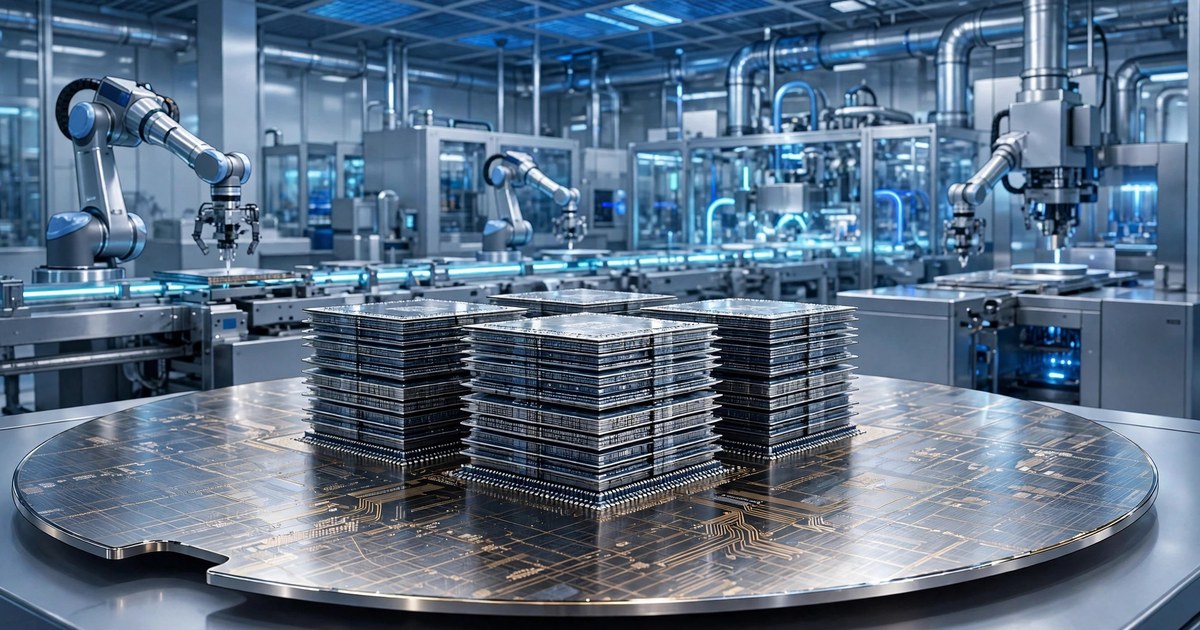
High-bandwidth memory is stacked memory placed close to AI accelerators, the specialised processors that train and run large AI models, so that data can move quickly between memory and processor. As companies build more AI data centres, they need more of this memory, and they also need the server DRAM used in ordinary servers. When demand grows faster than factories can add supply, prices rise. That combination of higher volumes, higher prices and tight supply is what turned a strong quarter into the Samsung record profit. A day earlier, rival SK Hynix reported strong earnings and an upbeat outlook, which helped ease market concerns that AI-driven chip earnings could lose momentum. The same AI spending that lifted the chipmakers has also put pressure on the big technology buyers: Microsoft and Alphabet reported contrasting earnings in the same week, with Alphabet shares falling even as its cloud business doubled.
Chips Made Almost All of the Profit as Phones Lost Money
The split inside Samsung could hardly have been sharper. The semiconductor division's operating profit of 106.5 trillion won accounted for about 99% of the company's total operating profit of 107.4 trillion won. The rest of Samsung, in other words, contributed almost nothing to the record on a net basis. The Device Experience division, which handles smartphones, televisions and home appliances, recorded revenue of 52.1 trillion won but an operating loss of 800 billion won, its second consecutive quarterly loss.
Inside that division, the Mobile Experience and Networks business reported revenue of 37.7 trillion won and an operating loss of 600 billion won. Revenue grew as flagship models, including foldable devices, were released, but rising costs squeezed profitability. The main pressure was the cost of the memory chips inside the phones themselves: as memory prices soared for AI customers, the same chips became more expensive for Samsung's own phone business to buy. That tension is part of the wider story of the year, in which the components inside a phone have become a battleground between AI demand and consumer devices. Samsung's next flagship plans, including the Galaxy S26 series covered in earlier leaks, will therefore be judged not only on design and cameras but on how the company manages memory costs.
Why Samsung Shares Fell After a Record Result
Despite the record, Samsung shares slid more than 4% in Seoul on Thursday, and the broader KOSPI index fell 2.6% after rising nearly 7% a day earlier, Reuters reported. A record that matches what the market already expected does not always lift a share price. Samsung had already guided to about 107.4 trillion won on 8 October, and SK Hynix's strong results the previous day had already lifted chip shares. With the record already reflected in the price, investors focused instead on what comes next and on whether AI spending can keep growing at the same pace.
Investors also remained wary about the durability of AI spending, Reuters reported. The worry is not that AI demand is falling, but that the huge capital spending by technology companies on data centres and chips may not keep rising as fast, and that memory prices may eventually ease as new capacity arrives. Alphabet faced a similar reaction a day earlier, when its shares fell sharply after earnings even though its cloud revenue doubled, because investors questioned whether AI investment was translating into advertising revenue quickly enough. Samsung's fall shows the same mood from the other side of the trade: even the supplier earning record profits is not immune when the market asks how long the boom can last.
What the Samsung Record Profit Means for the 2027 Chip Shortage
Samsung said the chip supply shortage would deepen next year, echoing the outlook from SK Hynix. The reason is straightforward. Building new chip factories takes years, while AI demand has grown in months. Samsung, SK Hynix and Micron, the three largest memory makers, have shifted wafer capacity towards high-bandwidth memory for AI accelerators, which is more profitable per wafer than ordinary memory. Every wafer used for HBM is a wafer that does not become the DRAM in a laptop or a phone, so shortages in AI memory spill over into shortages of ordinary memory, and prices for both rise.
For buyers, the practical effect is higher prices and longer waits for memory, laptops and phones, and pressure on device makers to pass costs on or accept thinner margins. Samsung's own phone division is already feeling that pressure, as its second consecutive quarterly loss shows. For the wider technology industry, the shortage is a reminder that the AI boom depends on physical factories and materials, not only on software. If supply stays tight, chipmakers keep pricing power. If new capacity arrives faster than expected, or AI spending slows, the record profits of 2026 could prove hard to repeat. Samsung's statement that the shortage will deepen next year suggests the company expects tight conditions to continue, at least for now.
What Happens Next
Three things will decide whether Samsung can follow this record with another. The first is memory prices: if HBM and server DRAM prices stay high, the chip division will keep earning at an exceptional rate, but phone and PC makers will keep paying more. The second is the Device Experience division: Samsung needs its phones, televisions and appliances to return to profit, which will depend on managing memory costs and on sales of its flagship line-up in the year-end period. The third is shareholder returns: the 30 trillion won quarterly dividend, and the wider 90 trillion to 110 trillion won return plan, show Samsung intends to share the windfall, but the scale of future returns will depend on whether earnings stay at this level.
This story was trending per news coverage on 29 October 2026, with Reuters and the Korean business press leading on the confirmed final results, the divisional split and the market reaction. The numbers in this article are Samsung's reported third-quarter 2026 results, announced on 29 October 2026. They are not forecasts, and share prices and memory prices can move quickly as new information arrives.
Sources: Reuters; Korea JoongAng Daily; Seoul Economic Daily; Aju Press; FoneArena.