
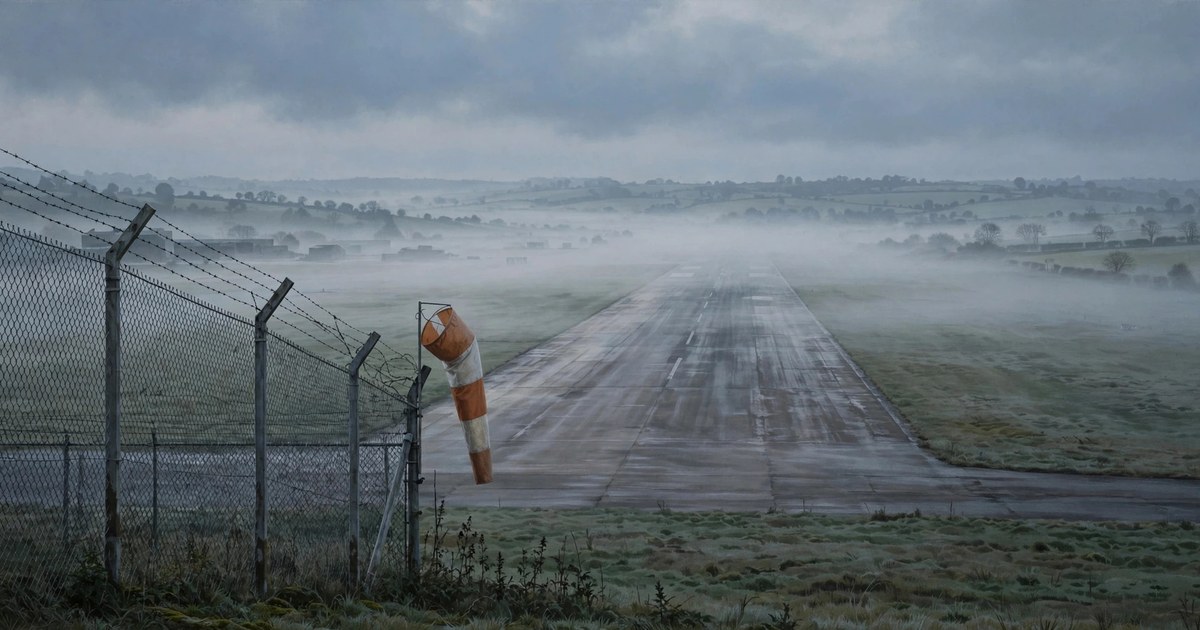
The RAF Fairford charges announced on Tuesday 27 October 2026 are the first prosecutions to follow the incident near the Gloucestershire airbase last month. Two men, both aged 24 and both from the London Borough of Westminster, have been charged under the National Security Act 2023, and both were due to appear at Westminster Magistrates’ Court on the same day. The Crown Prosecution Service (CPS) said the decision to prosecute followed a Counter Terrorism Policing investigation into what it called a high-profile incident involving RAF Fairford. Police said they believe one of the men was assisting a foreign intelligence service, and that they believe the country concerned was Iran. Iran has firmly rejected any involvement. This article explains, in plain terms, what the RAF Fairford charges allege, how they differ from the arrests in September, what the two sections of the Act mean, why the base matters, and what happens next. Every allegation in this article is a charge or a statement by the authorities. A charge is not a conviction, and the men are entitled to a fair trial.
Frank Ferguson, Chief Crown Prosecutor for the CPS Special Crime and Counter Terrorism Division, said: “The Crown Prosecution Service has decided to prosecute two individuals with National Security Act offences following a Counter Terrorism Policing investigation into a high-profile incident involving RAF Fairford. We will continue to work closely with our partners as this complex investigation continues.” The CPS also reminded the public that proceedings are active, that the men have the right to a fair trial, and that reporting or commentary must not prejudice those proceedings. That warning matters for readers too: the details below are limited to what the CPS, Counter Terrorism Policing, Reuters and other reputable outlets have reported, and no outcome of the first court hearing had been reported in the sources checked at the time of writing.
What the RAF Fairford charges allege
The RAF Fairford charges are two separate charges, one for each man, under two different sections of the National Security Act 2023. Mohmed Ahmad Abdulkarim, 24, was charged under Section 3 of the Act, which makes it an offence to assist a foreign intelligence service. Nouman Essghir, 24, was charged under Section 4, which concerns entering a prohibited place for a purpose prejudicial to the United Kingdom. The distinction is important, because the two charges allege different kinds of conduct, over different periods, and they should not be merged into a single claim that both men did the same thing.
In Abdulkarim’s case, Counter Terrorism Policing said the charge followed the re-arrest of two men on 20 October and the interview under caution of a further man. The charge, as reported from the court papers, covers conduct between 31 August 2026 and 28 September 2026 that was likely to materially assist a foreign intelligence service in carrying out UK-related activities, where the person charged knew, or ought reasonably to have known, that his conduct would be likely to have that effect. The charge is brought under Section 3(2) of the Act. Assistant Commissioner Laurence Taylor, Head of National Counter Terrorism Policing in the UK, said: “In this case, we believe that country to be Iran.” That is the police’s stated belief about which foreign intelligence service is said to be involved. It is an allegation in a criminal charge, not a finding by a court, and Iran denies it.
In Essghir’s case, police said he was charged under Section 4 for suspected activity on Saturday 22 August 2026. The CPS described his charge as one offence of entering a prohibited place for a purpose prejudicial to the UK. The sources checked for this article do not name the prohibited place said to be involved in the August allegation, and this article does not fill that gap. What is clear from the police account is the sequence for Essghir: he was first arrested at the scene in Gloucestershire on Sunday 27 September, he was re-arrested on 20 October, and he was charged on the morning of Tuesday 27 October. He was due to appear at Westminster Magistrates’ Court the same morning.
The two men, the two charges, and the corrected name
Both men are 24 years old and British nationals from the Borough of Westminster in London, according to Counter Terrorism Policing. Readers may see slightly different forms of one name in early reporting, and the difference is worth explaining because the police corrected it themselves. Counter Terrorism Policing published a note at 09:35 on 27 October 2026 saying the name originally published at 09:20, “Mohammed Abdul Karim”, was not correct, and that the correct name is Mohmed Ahmad Abdulkarim. The CPS press release used the shorter form “Mohmed Abdulkarim”. This article uses the corrected full name given by Counter Terrorism Policing, Mohmed Ahmad Abdulkarim, and the name Nouman Essghir for the second man, as given consistently by the CPS, the police and Reuters.
Two other developments from the same police statement help to show that the investigation is still open. A second man who was re-arrested on 20 October, a 25-year-old dual UK and Iranian national, was released without charge, but police said he remains on police bail following his first arrest on 1 October. Police also said five other men arrested in connection with the investigation remain on police bail. Those points matter because they separate the two men who have been charged from other people who were arrested and have not been charged. Being arrested, being interviewed under caution, or being on police bail is not the same as being charged, and this article does not treat it as such.
RAF Fairford charges: a timeline from August to October 2026
The RAF Fairford charges can only be understood with the timeline that led to them. On 22 August 2026, according to the police account, the suspected activity underlying Essghir’s Section 4 charge took place. On 31 August, the period covered by Abdulkarim’s Section 3 charge began. In the early hours of Sunday 27 September, police received reports of three suspicious vehicles heading towards RAF Fairford, and five men were arrested at the scene near the base in Gloucestershire. A major incident was declared, homes in a nearby village were evacuated, and the investigation passed to Counter Terrorism Policing. The September incident is the subject of an earlier Worldlession explainer, RAF Fairford Terror Plot: What Happened at the UK Airbase, which set out what was known at the time of the arrests.
On 1 October, a man was arrested for the first time in the wider investigation; he is the 25-year-old dual UK and Iranian national who was later re-arrested and released without charge. On 20 October, two men were re-arrested, including Essghir. Detectives then interviewed a further man under caution, which led to the charge against Abdulkarim. On the morning of Tuesday 27 October, the CPS announced the two charges and Counter Terrorism Policing published its detailed statement. Both men were due at Westminster Magistrates’ Court later that day for a first hearing. No reporting of the result of that hearing, such as any decision on bail or on sending the cases to a higher court, was included in the sources checked at the time of writing, and this article does not guess at it.
Why RAF Fairford matters, and why US bombers were withdrawn
RAF Fairford is a Royal Air Force station in Gloucestershire in south-west England that is used by the United States Air Force, and it is best known as a forward operating location for heavy bombers. That role is the reason a report of suspicious vehicles near the base in September was treated as a major counter-terrorism incident rather than a routine trespass matter. Reuters and CNN both reported that the base had been used by US B-1 bombers to carry out strikes on Iran, and that the bombers were withdrawn on security grounds shortly after the five men were arrested outside the base in the early hours of 27 September. The withdrawal, reported by both outlets, shows how seriously the United States and the United Kingdom treated the security concern at the time, even before any charge had been brought.
The wider context is the continuing confrontation between the United States, the United Kingdom and Iran in 2026. Earlier in October, Prime Minister Andy Burnham said the suspected plot targeting RAF Fairford was “almost certainly directed by Iran’s Islamic Revolutionary Guard”, according to CNN’s reporting of his remarks. Iran has firmly rejected the accusations. Tehran’s Foreign Minister, Abbas Araghchi, was reported as saying the United Kingdom was “barking up the wrong tree”. Readers should keep those two positions separate: the Prime Minister’s political assessment, the police’s stated belief in support of a criminal charge, and Iran’s denial are three different kinds of statement, and only a court can determine the facts. For the regional picture, see also Mecca Pact Tehran Meeting 2026: Saudi, Turkey and Pakistan in Iran Talks and Iran Claims 7 Oil Tankers Struck in Strait of Hormuz, which set out how Iran-related tensions have developed in the same period.
Iran’s denial and the wider warning from counter-terrorism police
Assistant Commissioner Taylor placed the RAF Fairford charges in a wider pattern that counter-terrorism police say they have observed. He said: “We have seen a range of incidents in recent months that we believe have been directed by the Iranian state, and as the director general of MI5 said just the other week, we are working together to intervene, identify and respond to that threat.” He also urged the public to report anything they were worried about, saying such reports “can and do make a difference”. That is a police assessment about a pattern, not evidence in either of the two individual charges, and it should be read as context for why the investigation was given national priority, not as proof of either man’s guilt.
The National Security Act 2023 itself is also part of the context readers need. The Act, passed by Parliament in 2023, created a set of modern offences dealing with espionage, sabotage and foreign interference, replacing elements of much older Official Secrets legislation. Section 3, assisting a foreign intelligence service, and Section 4, entering a prohibited place for a purpose prejudicial to the UK, are among the offences listed in the Act. The titles of those sections, as published on legislation.gov.uk, are the basis for the plain-English explanations in this article. The Act also provides for prohibited places, which are sites whose protection is considered important to national security. The charging decision in this case is one of the most high-profile uses of the Act in connection with a specific airbase incident, which is why the CPS announcement was reported by Reuters, CNN, the BBC and other outlets on the same morning, trending per news coverage.
What happens next after the RAF Fairford charges, and what is not yet known
The next formal step is the court process. A first hearing at Westminster Magistrates’ Court is the normal starting point for a case of this kind, where the charges are read, the defendants’ details are confirmed, and the court considers matters such as legal representation and whether the case should be sent to the Crown Court. Serious offences under the National Security Act 2023 are normally dealt with in the Crown Court, but this article does not state what happened at the 27 October hearing, because no outcome had been reported in the sources checked. Future hearings, any bail or custody decisions, and any trial date will be reported as they are confirmed, and any reporting must respect the CPS warning not to publish material that could prejudice the proceedings.
Several questions therefore remain open, and honest reporting means naming them. First, what, if anything, will the court decide about bail or remand for each man? Second, will the prosecution publish any further detail about the conduct alleged in the Section 3 charge, beyond the dates and the legal test already reported? Third, will any further arrests or charges follow, given that police say the investigation continues and that other men remain on bail? Fourth, will the United States return bomber aircraft to RAF Fairford, and on what security assessment? None of those questions has an answer in the public record checked for this article. What is known is narrower, but it is significant: for the first time since the September incident, two named men face specific criminal charges, in a named court, on a named date, under a named Act, with a named foreign state identified by police as the country they believe was being assisted. That is the development the RAF Fairford charges represent, and it is the reason they are the story of the day.
Sources: Crown Prosecution Service press release, “CPS announces two men charged with National Security Act offences following RAF Fairford incident”, 27 October 2026; Counter Terrorism Policing statement, “Two men charged under the National Security Act in RAF Fairford investigation”, 27 October 2026, including the 09:35 name correction; Reuters reporting by Sam Tabahriti and Sam Tobin, “Two men charged in UK with helping Iran over RAF Fairford incident”, 27 October 2026; CNN, “Two British men charged with helping Iran over Fairford airbase incident”, 27 October 2026; legislation.gov.uk, National Security Act 2023, section titles for Section 3 and Section 4.