
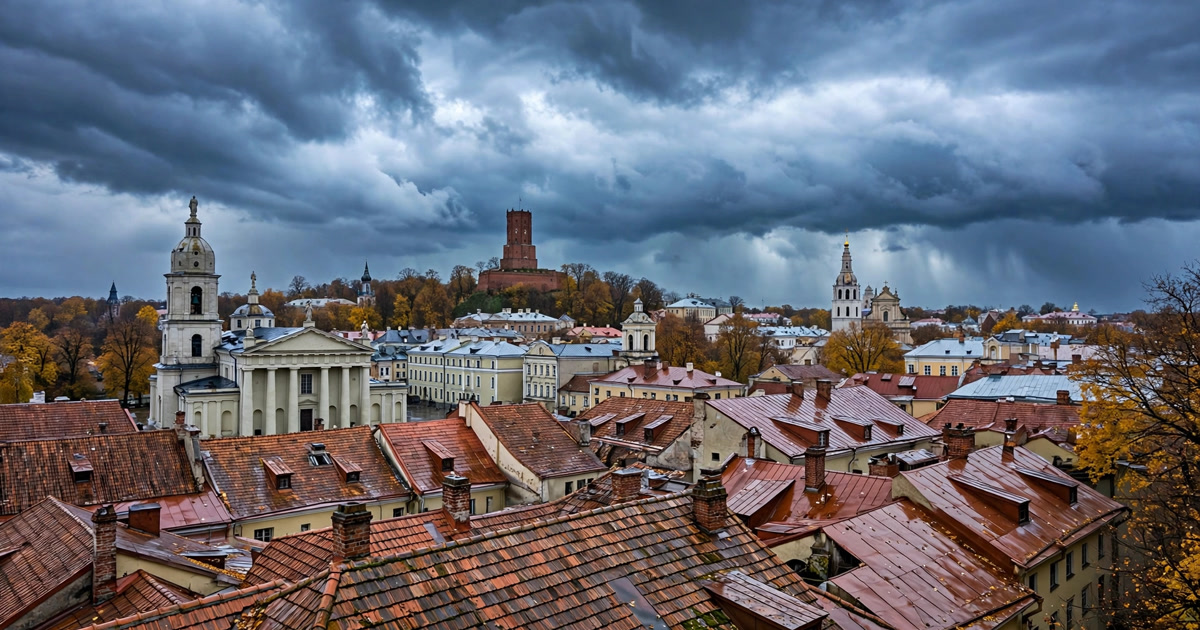
Lithuania's climate blends continental and Baltic influences, with cold winters, warm summers and changeable shoulder seasons, and the west coast moderates while the east swings more sharply. A Lithuania weather forecast is essential for travel, farming and daily life.
This guide explains the Lithuania weather forecast: who issues it, what each season brings, how Vilnius, Kaunas and the Curonian coast differ, and how to plan around snow, storms and summer heat.
Who Issues the Lithuania Weather Forecast
The Lithuania weather forecast is issued by LHMT, the Hydrometeorological Service, which runs stations, radar and models across Lithuania. Forecasts cover temperature, wind, precipitation, sea conditions and warnings for storms, snow, frost and heat.
Regional detail matters: coastal Klaipėda and the Curonian Spit differ from inland Vilnius and eastern districts, and warnings are issued by region. Check the Lithuania weather forecast for your exact area rather than a national summary.
Winter: Snow and Continental Cold
Winter in the Lithuania weather forecast brings snow, ice and cold, with eastern areas coldest and coastal areas milder and windier. Snow cover lasts weeks to months, and January averages sit below freezing across most of the country.
Winter activities include cross-country skiing, ice skating and Christmas markets, but travel needs warm clothing, winter tyres and flexible plans for storms. A Finland weather forecast guide shows how northern neighbours share Lithuania's winter patterns.
Spring, Summer and Autumn
Spring brings melting snow, blossom, stork arrivals and lengthening days, though frosts persist into May. Summer is warm, typically in the low to mid twenties, with long daylight, rain showers and beach weather on the Curonian Spit and Palanga coast.
Autumn brings colourful forests, mushroom season, rain and coastal storms, with daylight shrinking fast. Each season suits different trips: summer for beaches and lakes, autumn for forests, winter for snow, spring for nature.
Storms, Sea and Flood Warnings
The Lithuania weather forecast warning system matters most during autumn and winter storms, when Baltic winds and waves threaten the Curonian coast, and heavy rain raises river levels inland. Coastal flooding affects low-lying areas near Klaipėda.
Follow LHMT warnings, avoid exposed coasts and flooded roads during storms, and heed local advice. Understanding climate change helps explain why storm and rainfall patterns matter increasingly for Baltic coasts and rivers.
Planning Around Lithuania's Weather
Planning around the Lithuania weather forecast means packing layers and waterproofs year-round, checking forecasts daily for coastal trips, and building flexibility into outdoor plans. Summer lake and beach trips, winter ski and market visits, and autumn forest walks all reward forecast awareness.
For visitors, shoulder seasons offer quieter travel and lower prices, with spring blossom and autumn colours compensating for changeable weather. Check the Lithuania weather forecast the evening before and morning of travel.
Curonian Spit Weather
Curonian Spit weather features Baltic winds, shifting dunes, pine forests and lagoon-side calm, with Nida and Juodkrantė offering beach, cycling and birdwatching. Spit forecasts deserve separate checks, since winds and fog differ from mainland Klaipėda.
Dune walks, cycling paths and fishing villages reward visitors who pack windproof layers and check ferry and bus times. Spit weather changes fast, so flexible plans and shelter options help.
Forest and Lake Weather Inland
Inland Lithuania weather, including Aukštaitija's lakes and Dzūkija's forests, swings more than coastal weather, with colder winters, hotter summers and greater frost risk. Lake districts attract summer swimming, boating and fishing, all weather-sensitive.
Farmers, foresters and hikers watch inland forecasts for frost, drought, storms and trail conditions. Inland trips need layers, rain gear and insect protection in summer, even when coastal forecasts look settled.
Weather for Cycling and Hiking
Cycling and hiking in Lithuania depend on forecasts for rain, wind and trail conditions, with coastal paths, lake districts and forest trails offering varied terrain. Wet trails after rain demand sturdy shoes and care on boardwalks and roots.
Summer cycling suits long daylight and mild temperatures, while autumn colours reward walkers who pack waterproofs. Check forecasts, carry water, and plan routes with shelter options for changeable days.
Climate Trends in Lithuania
Lithuania warms with milder winters, longer growing seasons, wetter autumns and more variable summers, affecting agriculture, forests, coasts and health. Sea-level rise and storm surges threaten the Curonian coast over decades.
Adaptation includes coastal protection, flood planning, forest management and heat-health measures, informed by LHMT climate data. Daily forecasts sit within this longer change, making climate awareness part of weather literacy.
Lithuania Weather Forecast: Warning Levels
Lithuania weather forecast warnings use severity levels for storms, snow, frost, heat and floods, issued by region and phenomenon. Understanding levels, not just colours, helps users judge whether to postpone travel or simply pack extra layers.
The Lithuania weather forecast warning system works best when users check phenomenon, area and timing. A snow warning for eastern districts may not affect Klaipėda, and a coastal storm warning may not affect Vilnius.
Lithuania Weather Forecast: Seasonal Packing
Packing for the Lithuania weather forecast means layers year-round, waterproof jackets, sturdy shoes, winter thermals and summer sun protection, adjusted by season. Coastal trips add windproof layers, forest trips add insect protection.
The Lithuania weather forecast packing rule is simple: prepare for rain and wind always, warmth in winter, and sun in summer. Well-packed visitors enjoy Lithuania whatever the Baltic weather brings.
Lithuanian Seasons in Tradition
Lithuanian traditions mark seasons through Joninės midsummer festivals, harvest gatherings, winter solstice customs and spring stork arrivals, linking weather to cultural rhythms. Midsummer bonfires, songs and dances celebrate the year's longest days.
Seasonal foods, from summer berries to winter root dishes, follow the same rhythms, and festivals draw visitors year-round. Understanding traditions adds cultural depth to forecasts, connecting weather to lived Lithuanian life.
Weather and Lithuanian Agriculture
Lithuanian agriculture depends on forecasts for sowing, haymaking, harvest and livestock care, with spring frosts, summer rain and autumn wetness shaping yields for cereals, potatoes, vegetables and dairy. Farmers use regional forecasts daily.
Rural visitors notice agricultural rhythms in blossoming orchards, golden fields and harvest festivals, which follow forecast-driven farm calendars. Understanding farm weather adds depth to countryside trips across Lithuania.
Lithuania's weather is continental and changeable, but manageable with layers, waterproofs and a regional forecast habit. Enjoy warm summers, snowy winters and colourful shoulder seasons.
Sources: Lithuanian Hydrometeorological Service (LHMT); Lithuanian Civil Protection.