
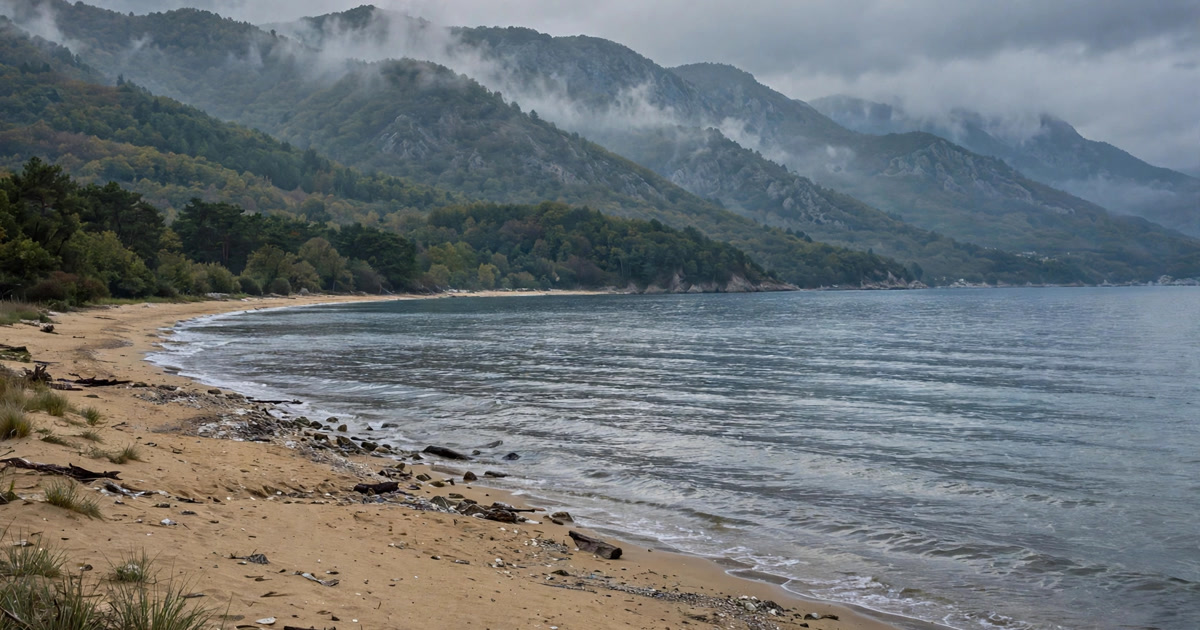
Bulgaria's geography, from Black Sea beaches to Balkan mountains and Danube plains, creates varied weather within short distances. A Bulgaria weather forecast must be read regionally, since Sofia, Varna, Plovdiv and Bansko can experience different conditions on the same day.
This guide explains the Bulgaria weather forecast: who issues it, what each season brings, how regions differ, and how to plan around heat, snow, storms and sea conditions.
Who Issues the Bulgaria Weather Forecast
The Bulgaria weather forecast is issued by NIMH, the National Institute of Meteorology and Hydrology, which runs stations, radar and models across the country. Forecasts cover temperature, wind, precipitation, sea conditions and warnings.
Warnings are issued by region and phenomenon, so check your exact area: Sofia Valley, Black Sea coast, Danube Plain and mountain resorts differ sharply. NIMH bulletins, apps and media carry updates through the day.
Black Sea Coast Weather
Black Sea coast weather in the Bulgaria weather forecast features mild winters, warm summers, sea breezes and beach seasons from June to September, with Varna, Burgas and Sunny Beach as main resorts. Sea temperatures peak in August.
Coastal storms bring wind, waves and rain, especially in autumn and winter, affecting ferries, fishing and beach activities. Check sea forecasts specifically, since land forecasts miss wave and current conditions.
Mountains and Winter Weather
Mountain weather in the Bulgaria weather forecast brings cold, snow and strong winds, with Bansko, Borovets and Pamporovo offering skiing from December to March, and the Balkan, Rila and Pirin ranges holding snow longest.
Winter travel needs warm clothing, snow tyres in mountains, and avalanche awareness for off-piste skiing. Resort snow reports complement the Bulgaria weather forecast for slope conditions and lift status.
Plains, Sofia and Summer Heat
Sofia Valley and Danube Plain weather in summer brings heat, often above 35 degrees, with thunderstorms bringing heavy rain and hail. Sofia's altitude moderates heat slightly compared with lowland Plovdiv and Ruse, but urban heat still affects the capital.
Spring and autumn offer the best balance for city and countryside trips, with blossom, harvests and golden forests. Understanding climate change helps explain why Bulgarian summers feature more intense heat and downpours.
Regional Differences and Travel Tips
Bulgaria's regions differ clearly: the coast is mild and humid, mountains are cold and snowy, plains are hot in summer and cold in winter, and Sofia sits between, with valley fog in winter. Altitude drives most contrasts.
A Germany weather forecast guide shows how neighbouring forecasts compare, but local NIMH detail remains best. Check the Bulgaria weather forecast before travel, pack layers, and keep waterproofs handy year-round.
Black Sea Storms
Black Sea storms bring wind, waves, rain and coastal erosion, especially in autumn and winter, affecting ferries, fishing, beach infrastructure and coastal roads. NIMH sea forecasts warn of wave heights and storm surges for coastal areas.
Coastal residents and visitors should respect storm warnings, avoid exposed piers and beaches during storms, and secure outdoor items. Storms pass, but their power demands caution for anyone near the sea.
Mountain Snow and Avalanches
Mountain snow in Bulgaria brings avalanche risk in the Rila, Pirin and Balkan ranges, especially after heavy snowfall, wind loading and rapid warming. Avalanche bulletins, mountain guides and marked routes help backcountry skiers stay safe.
Resort slopes are patrolled and graded, while off-piste skiing requires equipment, training and local knowledge. Beginners should stay on marked pistes, and all skiers should check snow reports each morning.
Danube Plain Weather
Danube Plain weather features hot summers, cold winters, fog and strong winds, with Ruse, Silistra and Vidin experiencing continental extremes. Fog in winter reduces visibility for drivers and river transport, while summer heat affects agriculture.
Farmers watch plain forecasts for frost, drought, hail and harvest rain, since weather shapes yields for cereals, sunflowers and vegetables. Plain weather also affects Danube shipping, with low water and ice disrupting navigation.
Climate Trends in Bulgaria
Bulgaria warms with hotter summers, milder winters, more intense rainfall and longer droughts, affecting agriculture, water, forests and coasts. Black Sea levels, mountain snow seasons and river flows all shift with climate change.
Adaptation includes water management, flood defences, forest protection and heat-health measures, informed by NIMH climate data. Daily forecasts sit within this longer change, making climate awareness part of weather literacy.
Bulgaria Weather Forecast: Warning Levels
Bulgaria weather forecast warnings use NIMH levels for storms, snow, frost, heat, floods and sea conditions, issued by region and phenomenon. Yellow signals caution, orange significant risk, and red dangerous conditions requiring action.
The Bulgaria weather forecast warning system works best when users check phenomenon, area and timing, not just colour. A yellow frost warning differs greatly from a red storm warning, and understanding levels prevents panic and complacency.
Bulgaria Weather Forecast: Seasonal Packing
Packing for the Bulgaria weather forecast means layers year-round, waterproof jackets, sturdy shoes, winter thermals and summer sun protection, adjusted by region. Coastal trips add swimwear, mountain trips add warm layers and snow gear.
The Bulgaria weather forecast packing rule is simple: prepare for heat on plains, cold in mountains, and wind on the coast, whatever the season. Well-packed visitors enjoy Bulgaria in every region.
Weather and Bulgarian Agriculture
Bulgarian agriculture depends on forecasts for sowing, frost protection, irrigation, harvest and livestock care, with spring frosts, summer droughts and autumn rains shaping yields for wheat, sunflowers, vegetables, grapes and roses. Farmers use regional forecasts daily.
Rural visitors notice agricultural rhythms in blossoming orchards, golden fields, rose harvests and wine festivals, which follow forecast-driven farm calendars. Understanding farm weather adds depth to countryside trips across Bulgaria.
Bulgarian Weather Apps and Alerts
Weather apps from NIMH, media outlets and phone systems deliver forecasts and warnings to residents, travellers and farmers, with location alerts ensuring relevant warnings arrive while travelling across Bulgaria's varied regions.
Customise alerts by region and phenomenon, so mountain snow warnings do not overwhelm coastal users, and vice versa. Well-set alerts inform without alarming, supporting calm, timely decisions for travel, farming and outdoor activities.
Bulgaria's weather rewards regional awareness: coast, mountains and plains each have their seasons. Check NIMH forecasts locally and enjoy Black Sea summers, mountain winters and golden autumns.
Sources: National Institute of Meteorology and Hydrology (NIMH); Bulgarian Civil Protection.