
How to Read the Finland Weather Forecast
The Finland weather forecast is built for local detail. The Finnish Meteorological Institute publishes forecasts for around 17,000 localities, from Helsinki neighbourhoods to remote Lapland villages, with hourly forecasts for the coming days and outlooks up to 15 days. Start with your exact locality, since a forecast for Helsinki tells you little about conditions in Rovaniemi, 800 kilometres north, and even neighbouring towns can differ when lakes, coasts and forests shape local weather.
Read temperature, wind and precipitation type together. In Finland, the difference between rain, sleet and snow decides road safety, and wind chill decides how cold a winter day feels. The FMI's local forecast shows weather symbols, temperature, wind speed and direction for each hour, plus warnings when they apply. The Finland weather forecast is most useful when you check it for the place you will actually be, at the hour you will be there, rather than settling for a national summary.
Sää Words for the Finland Weather Forecast
A few Finnish words unlock local forecasts, radio bulletins and road signs. Sää means weather, sääennuste means forecast, and säätiedotus means weather report. Sade is rain, lumi is snow, räntä is sleet, and tuuli is wind. Pilvistä means cloudy, selkeää means clear, and pakkasta means frost or freezing temperatures. Lämpötila means temperature, given in Celsius, and tuulenpuuska means wind gust.
Winter adds its own vocabulary: liukasta means slippery, lumisade means snowfall, and myrsky means storm. Road-weather terms matter for drivers, since Finnish roads are maintained to high winter standards but ice and snow still demand care. Learning these words turns a Finnish-language Finland weather forecast into a tool, even if you normally use English sources. For trips across Finland, our guide to travelling on a budget covers trains, buses and flexible bookings.
FMI Warnings and Winter Road Weather
The FMI issues warnings for a wide range of hazards, including strong wind, heavy rain, heavy snow, slippery ice, thunderstorms, heat and severe cold. Warnings are regional and time-specific, so a snow warning for Lapland does not mean Helsinki faces the same conditions. During major storms, warnings update frequently, and the FMI's radar shows precipitation in real time, helping you judge whether snow is approaching or clearing.
Winter road weather deserves special attention. Finnish drivers use winter tyres by law in winter conditions, roads are ploughed and gritted efficiently, and digital signs warn of ice and reduced speeds. Visitors driving in winter should still allow extra time, keep distance, and avoid sudden braking on ice. Pedestrians should watch for icy pavements and use traction aids. The Finland weather forecast plus road-condition information together are the safe basis for any winter journey.
Finland Weather Forecast by Region
Southern Finland, including Helsinki, Turku and Tampere, has the mildest climate, with Baltic influence moderating temperatures and four distinct seasons. Central Finland's lake district adds water effects: lakes warm slowly in spring, cool slowly in autumn, and create local fog and breezes. Eastern Finland is more continental, with colder winters and warmer summers. Coastal areas are windier and milder, while inland areas see greater temperature swings.
Lapland is Arctic Finland. Winters are long, dark and cold, with snow cover from October or November to May and the kaamos, or polar night, when the sun does not rise for weeks in the far north. Summers bring the midnight sun, when the sun does not set for weeks, and surprisingly warm days. The Finland weather forecast for Lapland must be read with daylight in mind: a fine winter day may still have only a few hours of twilight, while a summer day has light around the clock.
Finland Weather Forecast Through the Seasons
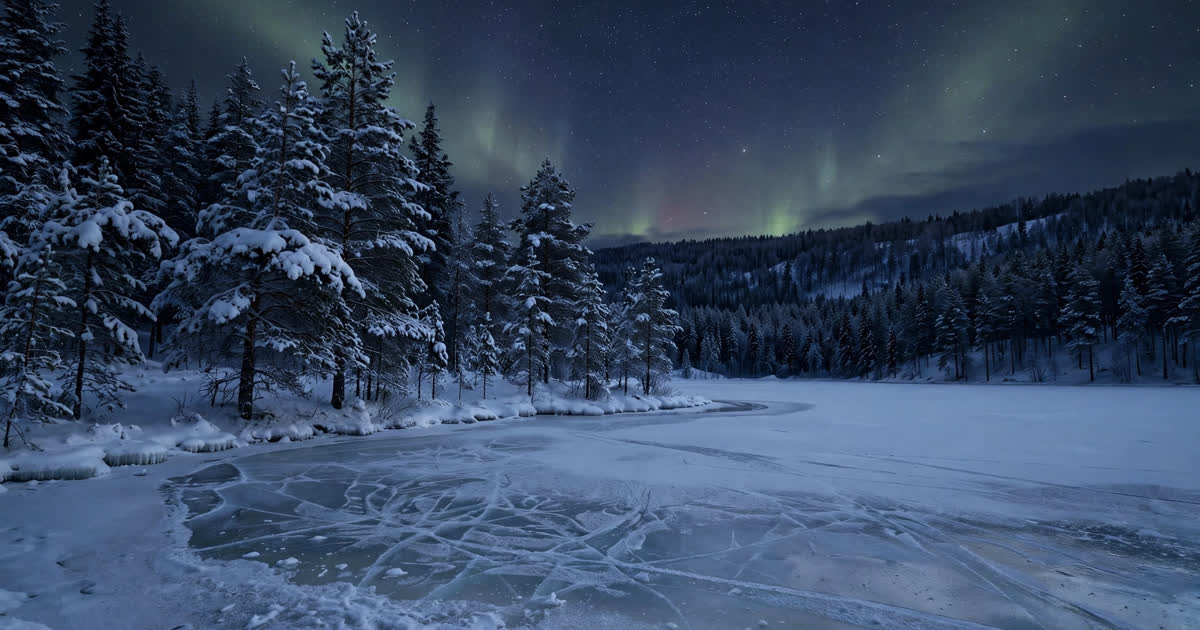
Finnish seasons are dramatic and beloved. Winter, from December to March in the south and far longer in Lapland, brings snow, ice, saunas and northern lights, with temperatures often well below freezing. Spring arrives slowly, with melting snow, returning light and migratory birds, but late frosts and snow showers persist into April. Summer, from June to August, is the season of lakes, cottages, festivals and midnight sun in the north, with temperatures often in the twenties Celsius.
Autumn, or ruska, paints forests in gold and red, especially in Lapland, before the first snow returns. Each season has its own weather risks: winter ice and storms, spring floods from snowmelt, summer thunderstorms, and autumn gales. The Finland weather forecast helps you enjoy each season safely, provided you check it for your locality and pack for the season you are actually in. For longer trips, travel insurance explained covers weather disruption basics.
A Practical Finland Weather Forecast Routine
A Finnish weather routine takes two minutes and prevents most surprises. Check the FMI local forecast each morning, noting temperature, wind, precipitation type and warnings for your locality. Before driving in winter, check road conditions as well. Before northern-lights hunting, check cloud cover alongside aurora forecasts, since clear skies matter as much as solar activity.
Dress in layers with a windproof outer layer, use traction aids on icy pavements, and keep a backup indoor plan for severe-weather days. Over time you will learn your own locality's patterns, such as which wind brings snow to your town and which brings clear, cold air. That local feel, plus the official Finland weather forecast, is the best way to live well with Finnish weather in every season. Over time, Finnish weather also teaches a calmer attitude to planning: outdoor days are chosen with the forecast, not against it, and a change of plan is seen as sensible rather than disappointing. Saunas, lakeside cafés and museums all make excellent bad-weather alternatives, and many Finns will tell you that there is no bad weather, only unsuitable clothing. Adopt that mindset, check the forecast daily, and Finland's seasons become a pleasure rather than an obstacle. Visitors who embrace that attitude find Finnish winters magical and Finnish summers unforgettable, whatever the forecast brings. Pack warm layers, stay flexible, check daily, and enjoy every season.