
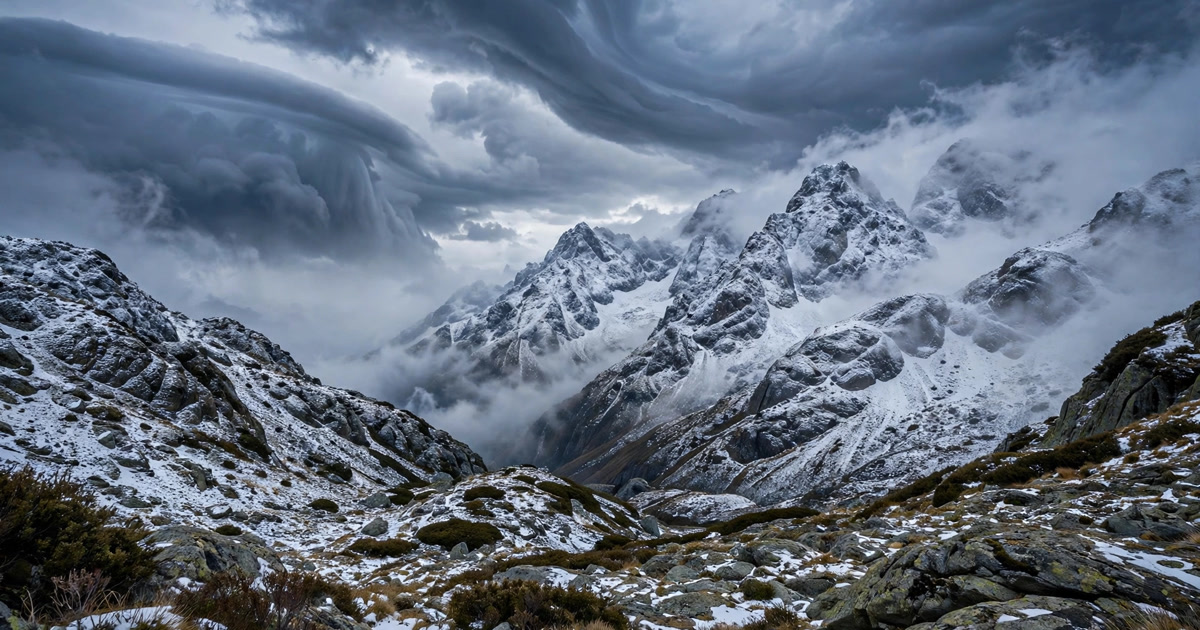
Andorra, entirely mountainous with an average elevation above 1,900 metres, experiences true Pyrenean weather: snowy winters, sunny summers, sudden storms and sharp altitude contrasts. Andorra mountain weather shapes skiing, hiking, shopping trips and daily life.
This guide explains Andorra mountain weather: who forecasts it, what each season brings, how altitude and valleys differ, and how to plan mountain activities safely.
Who Forecasts Andorra Mountain Weather
Andorra mountain weather forecasts are issued by the Servei Meteorològic, Andorra's meteorological service, with mountain-specific bulletins covering snow, avalanche risk, wind and temperatures by altitude. Resort and hiking forecasts add local detail.
Forecasts should be read by valley and altitude, since Andorra la Vella at 1,000 metres differs greatly from Pas de la Casa at 2,000 metres or Coma Pedrosa peaks above 2,900 metres. Check resort and trail forecasts, not just capital outlooks.
Winter: Snow and Ski Weather
Winter Andorra mountain weather brings snow from December to April, with Grandvalira and Vallnord resorts offering extensive pistes, snow parks and off-piste areas. Snowfall varies by storm track, with Atlantic and Mediterranean systems both affecting the Pyrenees.
Avalanche bulletins matter for off-piste skiers, with risk levels, aspects and altitudes specified daily. Resort slopes are patrolled, but backcountry skiing requires equipment, training and local knowledge, since Pyrenean avalanche risk is real.
Summer: Hiking and Thunderstorms
Summer Andorra mountain weather offers warm valleys, cooler peaks, wildflowers and long daylight, ideal for hiking, biking and lake walks, though afternoon thunderstorms develop fast over mountains, bringing lightning, rain and hail.
Hikers should start early, check forecasts, carry waterproofs and layers, and descend if storms build, since lightning on ridges and passes is dangerous. Morning hikes and afternoon valley activities balance summer mountain days safely.
Spring, Autumn and Altitude Contrasts
Spring Andorra mountain weather brings melting snow, blossom in valleys, lingering snow on peaks, and changeable conditions, while autumn offers golden larch forests, harvest festivals and early snow on high passes. Both seasons suit quieter mountain trips.
Altitude contrasts dominate: valleys may be warm and sunny while passes sit in cloud and snow, and temperature drops roughly 6 degrees per 1,000 metres. Pack layers for every mountain trip, whatever the valley forecast promises.
Planning Around Andorra Mountain Weather
Planning around Andorra mountain weather means checking forecasts the evening before and morning of activities, carrying emergency gear, and building buffer days for storms, especially for multi-day hikes and ski trips.
A France weather forecast guide shows how neighbouring Pyrenean forecasts compare, while climate change explains why mountain weather intensifies with climate change. Respect Andorra mountain weather, and Pyrenean adventures stay safe and enjoyable.
Andorra Avalanche Safety
Andorra avalanche safety involves daily bulletins, risk levels, aspects and altitudes, plus equipment including transceivers, shovels and probes, and training for backcountry skiers and hikers. Never venture off-piste alone or without checks.
Guided backcountry tours help newcomers learn safety, route selection and snow assessment, with guides choosing terrain by conditions. Avalanche awareness is essential for Pyrenean winter adventures beyond patrolled slopes.
Andorra Weather for Ski Resorts
Andorra weather for ski resorts means checking snow depth, lift status, wind and visibility each morning, since Grandvalira and Vallnord span multiple valleys with varying conditions. Resort apps and webcams complement forecasts.
Skiers should dress in layers, carry sun protection and water, and plan shelter breaks during storms. Resort weather awareness turns variable Pyrenean days into safe, enjoyable skiing.
Andorra Summer Lake Walks
Andorra summer lake walks include Tristaina lakes, Engolasters Lake, Juclar lakes and Moreno Lake, with trails ranging from easy lakeside paths to challenging high routes. Lakes offer swimming, picnics and photography amid Pyrenean scenery.
Lake walkers should start early, carry water and layers, and respect fragile lakeside environments, staying on paths and carrying out litter. Lake walks suit families and experienced hikers alike with varied options.
Andorra Weather and Road Conditions
Andorra weather affects roads, with winter snow, ice and avalanches closing high passes, including Envalira, while summer storms cause landslides and flooding on mountain roads. Road authorities publish closures and winter-equipment requirements.
Drivers should check road status before mountain travel, carry snow chains in winter, and allow extra time for pass crossings. Andorra's road network, though modern, remains vulnerable to Pyrenean weather extremes.
Andorra Mountain Weather: Hiking Forecast Guide
A hiking forecast guide for Andorra mountain weather means reading altitude temperatures, wind, thunderstorm risk and avalanche levels together, not just valley outlooks. Thunderstorm risk matters most for ridge and peak routes.
Andorra mountain weather hiking decisions should include turn-back times, shelter options and emergency plans, since Pyrenean storms develop fast. Forecast-aware hikers enjoy Andorra's trails safely.
Andorra Mountain Weather: Seasonal Packing
Packing for Andorra mountain weather means winter thermals, snow gear and avalanche equipment for backcountry, summer layers, waterproofs and sun protection for hiking, and spring-autumn versatile layers for changeable conditions.
Andorra mountain weather packing is simple: prepare for altitude cold, wind and storms in every season, with sturdy boots essential. Well-packed visitors enjoy Andorra's Pyrenees whatever the forecast brings.
Reading Pyrenean Forecasts
Pyrenean forecasts deserve careful reading: valley outlooks can mislead, since altitude, aspect and wind transform conditions on peaks and passes. Check forecasts by elevation, and compare several sources before committing to a ridge route.
Webcams at resorts and passes reveal real conditions better than icons alone, especially for fog, snow cover and wind. Morning forecasts matter most, as afternoon thunderstorms build quickly over high ground in summer.
Seasonal Rhythms in the Valleys
Valley life follows the seasons: ski season brings busy resorts and snow-covered passes, spring melts snow and opens trails, summer fills lakes and festivals, and autumn colours the forests before first snows return.
Each season changes driving, hiking and sightseeing options, so check pass status and trail conditions before travelling. Locals plan around these rhythms, and visitors who do the same enjoy the mountains at their best.
Andorra's mountain weather rewards respect: check altitude forecasts, start early, carry layers, and enjoy Pyrenean snow, sun and storms with proper preparation.
Sources: Andorran Meteorological Service (Servei Meteorològic); Andorra Tourism mountain guides.