
How to Read the Netherlands Weather Forecast
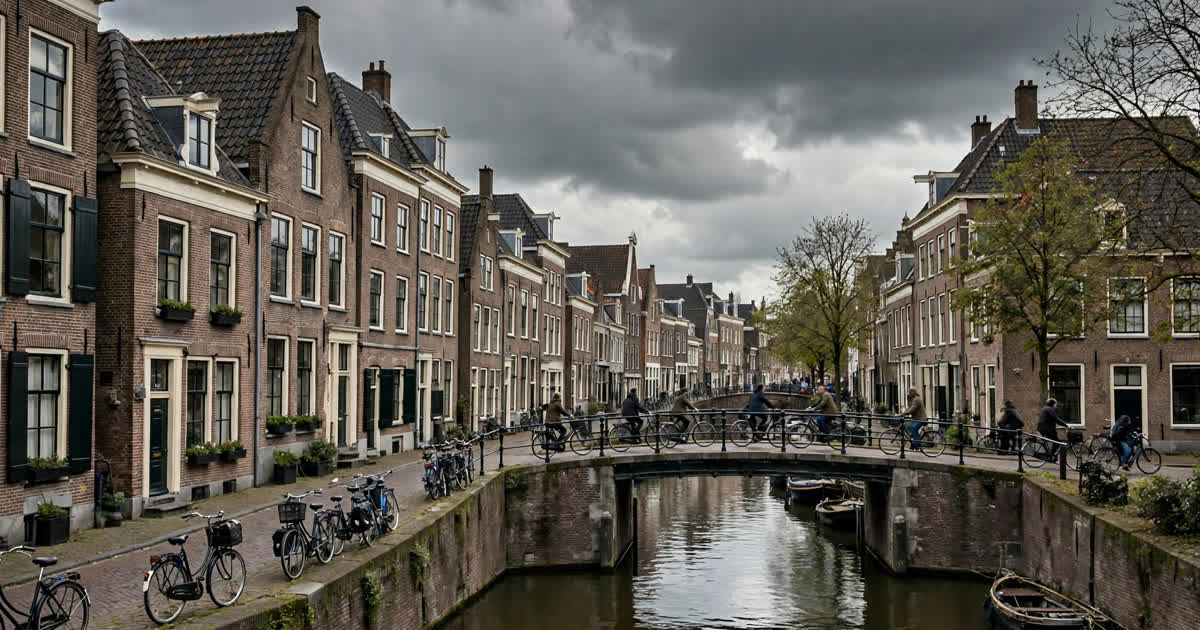
The Netherlands weather forecast is a short-range game. Dutch weather changes fast because the country is flat, coastal and squarely in the path of Atlantic systems, so the question that matters is rarely what the whole day looks like but what the next two hours will do. That is why the Dutch check rain radar as often as the forecast itself. The KNMI app gives an hourly forecast for your location for today and tomorrow and a daily outlook up to 14 days, plus radar, warnings and sunrise and sunset times.
Read the Netherlands weather forecast in two layers. The daily layer tells you the trend: temperature, wind direction and whether showers, rain or dry spells dominate. The radar layer tells you the timing: whether the shower over Utrecht will reach Amsterdam in twenty minutes or drift away. For cyclists, walkers and anyone planning an outdoor event, the radar layer is the one that decides whether to leave now or wait. Combine both and Dutch weather becomes manageable rather than mysterious.
KNMI Warning Codes: Yellow, Orange and Red
KNMI warnings use a simple colour code that applies nationally or by province. Code yellow means the weather is potentially dangerous: stay alert, especially if you are cycling, driving or on the water. Code orange means dangerous weather is likely, with disruption, damage and dangerous situations possible. Code red is issued only for extremely dangerous weather with a high chance of major disruption, when the advice is to stay indoors and avoid travel.
Warnings cover wind, rain, thunderstorms, snow, ice, heat and coastal conditions, and they are updated as systems evolve. A code orange for wind along the coast may not apply inland, so check the warning map for your province rather than assuming the whole country shares one code. The Netherlands weather forecast from KNMI is the first place warnings appear, and other services pick them up from there. Treat code orange seriously for cycling and driving, and treat code red as a stay-at-home signal, not a challenge.
Buienradar and the Art of Timing Dutch Rain
Buienradar's two-hour precipitation forecast is the most Dutch weather tool there is. It shows animated radar for your exact location, so you can see a front crossing the country in real time and judge whether to leave now or wait twenty minutes. Many Dutch people plan bike rides, dog walks and school runs around it, and it is free with an interface that needs almost no Dutch to understand, since the radar image speaks for itself.
The lesson generalises: in the Netherlands, timing beats totals. A day with 10 millimetres of rain can be perfectly pleasant if the rain falls in one morning burst, and a day with 2 millimetres can feel miserable if drizzle lingers all afternoon. Use the Netherlands weather forecast for the day's shape and Buienradar for the hour's decision. If you are visiting and cycling, also read our guide to travelling on a budget, which includes practical tips for bike-friendly trips.
Weer Words and Wind: The Dutch Weather Vocabulary
A few Dutch words unlock most local forecasts. Weer means weather, regen means rain, buien means showers, and onweer means thunderstorm. Zon means sun, bewolkt means cloudy, mist means fog, and sneeuw means snow. Windkracht means wind force, measured on the Beaufort scale in Dutch forecasts, where force 9 is a full storm. Temperaturen are in Celsius, and neerslag means precipitation.
Wind deserves special attention in a flat country. There are no hills to shelter you, so a south-westerly gale is felt everywhere, and cyclists face it head-on. Coastal areas and the Wadden Islands are windiest, while inland cities are slightly more sheltered but far from calm. The Netherlands weather forecast always pairs wind speed with gusts, and gusts are what push a cyclist sideways or rattle a tent. Learning the wind direction for your route is as useful as learning the rain timing.
Netherlands Weather Forecast Through the Seasons
Dutch winters are mild, wet and windy, with temperatures rarely far below freezing for long, though ice days and occasional snow still occur. Spring brings longer days, blossom and changeable weather, with April showers and occasional late frost. Summer is the warmest season, with long evenings and the best chance of settled spells, but also thunderstorms and, increasingly, heatwaves. Autumn is the storm season, when Atlantic lows bring the year's strongest winds and heaviest rain.
The famous Dutch relationship with water adds a seasonal note: heavy rain plus high river levels can raise water concerns in low-lying areas, and KNMI and water authorities coordinate warnings accordingly. For visitors, the practical point is that there is no truly dry season in the Netherlands, only drier weeks. Pack a rain layer in every season, and let the Netherlands weather forecast decide the day's plan rather than the calendar. For longer stays, travel insurance explained covers weather disruption basics.
A Practical Netherlands Weather Forecast Routine
A Dutch weather routine takes two minutes. Check the KNMI forecast for your location, noting temperature, wind and precipitation. Check the warning code for your province. Check Buienradar before cycling, walking or heading out, and re-check it if the sky changes. Choose clothing for wind as well as rain: a windproof layer matters on a bike even on a dry day.
Keep a backup plan for code orange days, such as museums, markets or a shorter sheltered route, and never cycle through flooded roads or underpasses, where depth is deceptive. Over time you will learn your own city's micro-patterns, such as sea breezes cooling the coast on summer afternoons. That local feel, plus the official Netherlands weather forecast and a glance at the radar, is how the Dutch live comfortably with weather that changes by the hour. One more Dutch habit is worth adopting: check the Netherlands weather forecast again before any evening plan, since conditions that were fine at lunchtime can turn wet and windy by dinner. The Netherlands weather forecast updates through the day as new radar and station data arrive, so a second glance costs seconds and often saves a soaked cycle home. Combined with a rain layer and a flexible mindset, that habit is the whole secret of enjoying the outdoors in a country where the sky changes its mind hourly.