
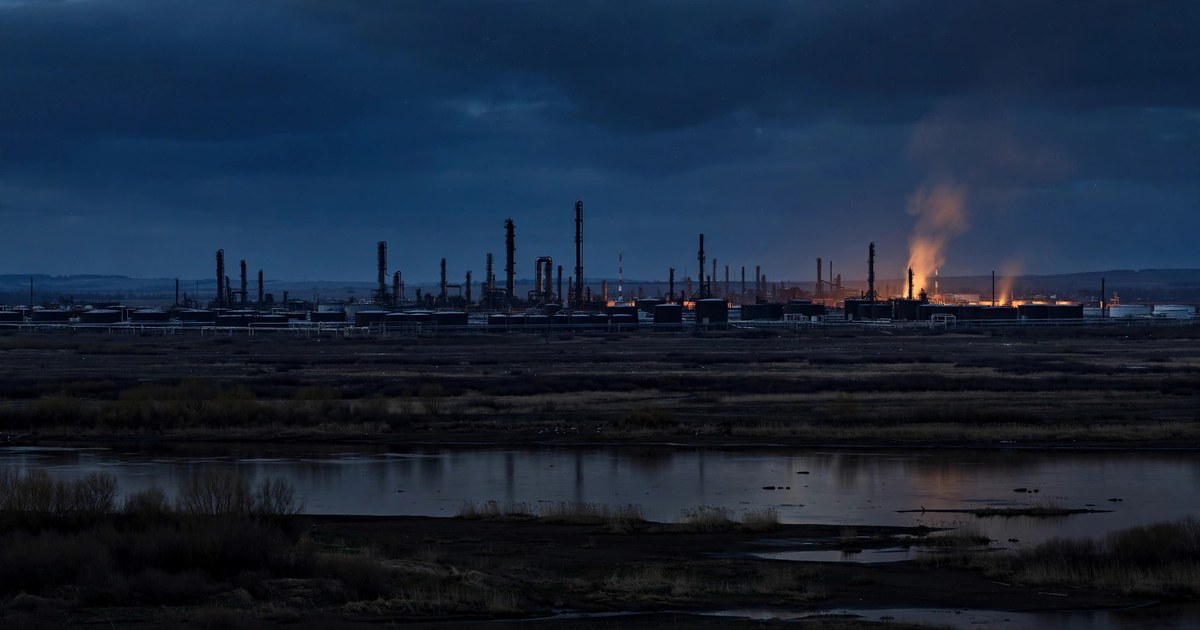
Four people were killed and two injured in a Volgograd drone attack on the night of 12–13 November 2026, regional governor Andrei Bocharov confirmed on Friday, in the deadliest strike on the Russian city since the war began. The attack hit an industrial zone in the south of Volgograd, where a fire broke out, and unverified video circulating online purported to show flames at the city’s large Lukoil oil refinery. The strike is trending per news coverage from Reuters, The Independent and Ukrainian outlets, and it lands at a sensitive moment: Ukraine has sharply stepped up attacks on Russian oil refineries since late October, while US envoys were in Moscow discussing a possible peace deal. Here is what is confirmed, what is still only claimed, and why this one strike matters well beyond Volgograd.
What happened in the Volgograd drone attack?
Residents in Volgograd reported explosions from about 10:40 p.m. local time on Thursday 12 November, with Russian air-defence fire audible across the city. Takeoffs and landings at Volgograd airport were temporarily restricted while the attack was under way. Governor Bocharov first said on Telegram that falling drone debris had caused fires at a facility in the city’s southern industrial zone. Hours later he confirmed the human cost: four people killed and two injured.
A separate drone attack struck Svetly Yar, a town in the same region, damaging several residential buildings and a youth centre. No one was hurt there, Bocharov said.
Whether the Lukoil refinery itself was hit remains unconfirmed by officials. Unverified video posted on social media purported to show a large fire at the refinery, and Ukrainian outlets reported flames at the plant, but there was no official confirmation that the refinery had been attacked, and Lukoil did not reply to a request for comment from Reuters. Ukraine’s UNN news agency reported that the refinery had suspended operations, and the Kyiv Post reported that four workers were killed and that queues formed at petrol stations in Volgograd overnight. Open-source analysts tracking the strike said at least two of the refinery’s primary processing units appeared to have been damaged.
The refinery is no stranger to these attacks. Reuters noted it had been hit several times before, including last month, on 29 May and on 31 July. What sets this strike apart is the death toll: Reuters described it as the deadliest attack on the city so far.
Why the Lukoil refinery in Volgograd matters
Volgograd, known as Stalingrad during the Second World War, is an industrial city on the Volga in southern Russia, and its refinery is one of the country’s largest. According to Lukoil’s own website, cited by Reuters, the plant can process about 14 million tonnes of crude oil a year — roughly 280,000 barrels a day — which accounts for about 5% of Russia’s total refining volume. That scale is why the plant keeps appearing on Ukraine’s target list: each shutdown, however brief, takes a measurable slice of Russia’s fuel production offline.
The strike fits a pattern that has accelerated since the end of October. Reuters reported that Ukraine has sharply stepped up its attacks on Russian oil refineries since an energy ceasefire announced by US President Donald Trump failed to take hold. Two industry sources told Reuters this week that such attacks have temporarily reduced Russia’s oil refining capacity by about 30%. The Volgograd strike is the latest entry in that campaign, and the deadliest single attack on the city so far.
For a fuller picture of how drone strikes on energy infrastructure have been hitting Russian ports and plants this month, see our report on the Ust-Luga drone attack on Russia’s Baltic oil port.
Nearly 1,200 drones in one night: what Russia claims
Russia’s defence ministry said its air defences intercepted nearly 1,200 Ukrainian drones during the night — one of the highest figures it has claimed since the war began, according to Europa Press. Moscow’s mayor said more than 100 drones were shot down on their way to the capital. A production facility in Rostov-on-Don was also reported in flames after a strike the same night, according to the Kyiv Independent.
Those interception figures cannot be independently verified, and they sit awkwardly next to the confirmed damage on the ground: fires in Volgograd’s industrial zone, four people dead, and a refinery reported out of operation. The gap between the two accounts is itself part of the story — Moscow stresses how many drones it shoots down, Kyiv’s supporters point to the fires that follow.
What the Volgograd drone attack means for fuel supplies
If the refinery stays shut for days, the effect will show up first in southern Russia. Volgograd’s plant processes about 5% of the country’s refining volume, and the queues reported at the city’s petrol stations overnight suggest local drivers are already worried about supply. The wider picture is more serious for Moscow: with about 30% of refining capacity temporarily knocked out across the country, according to the industry sources cited by Reuters, Russia has been importing more fuel and leaning harder on the plants still running.
Energy markets are watching both this campaign and the fighting in the Gulf. Oil prices jumped $3 a barrel on Thursday after Houthi claims of attacks on Saudi energy sites and Iran’s claim that four tankers were hit in the Strait of Hormuz — a reminder that fuel prices now move on two wars at once.
What happens next after the Volgograd drone attack
Four things are worth watching. First, whether Lukoil confirms damage to the refinery and says when it will restart — the plant’s own statement, if it comes, will settle how long the shutdown lasts. Second, whether the death toll changes as emergency services finish their work at the industrial zone. Third, whether Ukraine keeps up the pace: the refinery campaign has run almost nightly since late October, and Volgograd shows no sign of coming off the target list. And fourth, the diplomacy. The strike came as US envoys were meeting President Vladimir Putin in Moscow about a possible peace deal, a track we covered in our report on the Ukraine peace talks moving to Moscow. Each new strike makes that conversation harder — and each round of talks that fails gives Ukraine another reason to keep hitting the refineries.
The same night Volgograd was hit, Russian drones struck a residential building in Rivne, Ukraine, injuring at least five people, according to Ukrainian outlets. The war’s long-range exchange, in other words, is running in both directions — and Volgograd’s deadliest night so far is unlikely to be its last.
Sources: Reuters; The Independent; Kyiv Post; The Kyiv Independent; UNN; Europa Press.