
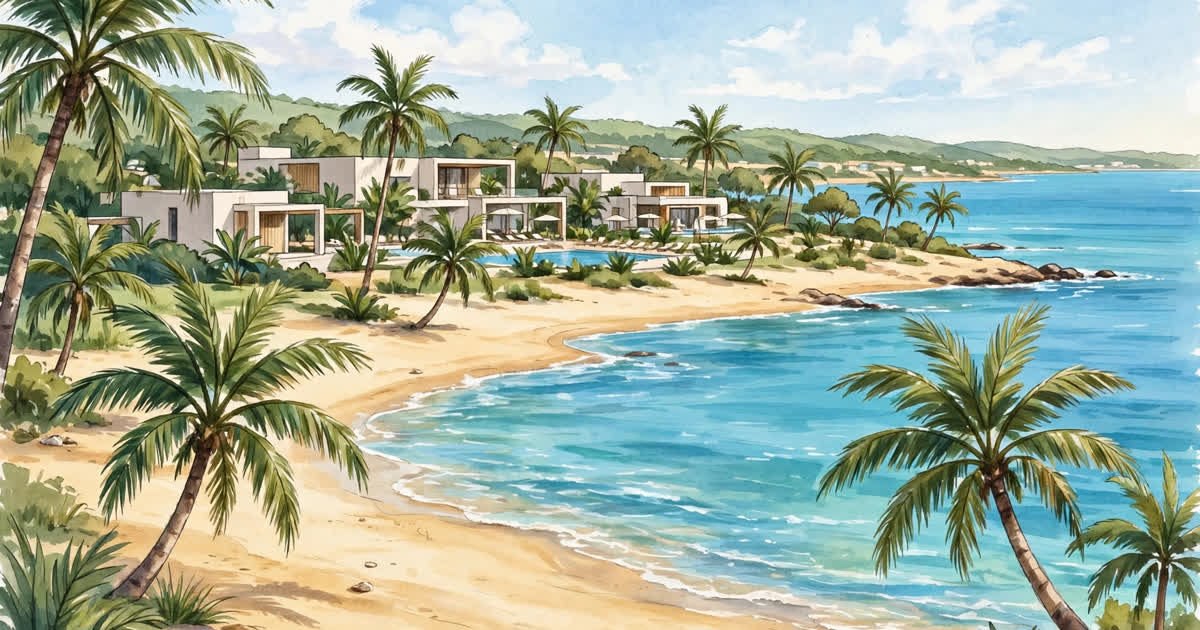
Punta del Este beaches are Uruguay's most famous coastline, a peninsula where the Río de la Plata meets the Atlantic Ocean and where two very different beach worlds sit minutes apart. On one side, the Brava beaches face open ocean waves, while on the other, the Mansa beaches offer calm, family-friendly water. This guide to Punta del Este beaches explains that split, picks the best shores for different travellers, and covers resorts, seasons, prices and day trips.
Punta del Este began as a fishing and holiday town and grew into South America's best-known luxury resort, attracting visitors from Argentina, Brazil and beyond, especially in summer. Yet beyond the glamour, the peninsula also offers public beaches, seafood restaurants, coastal walks, a lighthouse, museums and nearby towns such as La Barra, José Ignacio and Piriápolis. Understanding Punta del Este beaches means knowing both the resort scene and the quieter corners that locals prefer.
Punta del Este Beaches: Brava Versus Mansa
Punta del Este beaches divide into Brava, meaning wild, on the Atlantic side, and Mansa, meaning calm, on the estuary side. Brava beaches, including Playa Brava itself with its famous hand sculpture, La Mano, have bigger waves, stronger wind and dramatic sunsets over the ocean, suiting surfers, walkers and photographers. Mansa beaches, including Playa Mansa, have gentler water, warmer temperatures and shallower entries, suiting families, young children and relaxed swimming. On windy days, the difference is striking: Mansa can be swimmable while Brava is rough.
Choosing between them is the first decision of any Punta del Este beach day. Check wind direction and lifeguard flags, because conditions change with weather and tide. Surfers should head to Brava and nearby breaks, while families should favour Mansa and sheltered bays. Walkers can enjoy both in one day, starting on the calm side in the morning and finishing on the wild side for sunset, with the peninsula's coastal promenade linking many of the main beaches.
Punta del Este Beaches: Best for Families, Surfing and Sunsets
For families, Punta del Este beaches on the Mansa side and in sheltered spots near the port offer the safest swimming, with lifeguards in season, nearby cafés and calmer water for children. Playa Mansa and beaches near the harbour area are practical choices, with shade, toilets and food nearby in peak season. Always supervise children, respect flag warnings, and avoid swimming in rough surf or near rocks and currents, even on beaches that look calm from the sand.
For surfing and bodyboarding, Brava beaches and the coast toward La Barra offer stronger waves, especially when Atlantic swells arrive. Local surf schools operate in season and can advise on conditions, boards and safety for beginners. For sunsets, the Brava side and the lighthouse area provide the most dramatic light, while sunrise suits the Mansa side. Photographers should plan for golden hour and bring wind protection for cameras, because coastal wind and sand are constant companions on the Atlantic side.
Punta del Este Beaches: Resorts, Hotels and Prices
Punta del Este beaches are lined with a range of accommodation, from luxury hotels and apartment towers to boutique hotels, hostels and rental apartments. Peak summer, from late December to February, brings the highest prices, minimum stays in some properties, and early booking requirements, especially for New Year and Carnival weeks. Shoulder seasons offer better value and quieter beaches, though some resort services reduce hours. Budget travellers can save by staying in nearby towns such as Piriápolis or La Barra, or by booking apartments with kitchens and shopping at local markets.
When comparing resorts, check distance to your preferred beach side, because a hotel on the Mansa side is a walk or short drive from Brava surf, and vice versa. Also check pool, spa, restaurant and parking inclusions, since headline room rates do not always include resort facilities. For longer stays, apartment rentals often work out cheaper than hotels and give flexibility for families. Book through reputable platforms or directly with established hotels, and confirm cancellation terms, because summer weather and travel changes can disrupt plans.
Punta del Este Beaches: Beyond the Sand
Punta del Este beaches are only part of the peninsula's appeal. The lighthouse, Faro de Punta del Este, offers views over the town and coast, while the port area has seafood restaurants, boat trips and fishing excursions. The Casapueblo museum and hotel, built by artist Carlos Páez Vilaró, is a landmark of whitewashed architecture overlooking the sea, especially beautiful at sunset. Gorriti Island, just offshore, offers beaches, walks and history, reached by boat in season, and nearby La Barra is known for its bridge, beaches and relaxed village atmosphere.
Day trips extend the experience. José Ignacio, to the east, is a chic fishing village with beaches, restaurants and a lighthouse, popular with visitors seeking a quieter luxury scene. Piriápolis, to the west toward Montevideo, offers a classic seaside resort with a hilltop chapel, beaches and a slower pace. A coastal drive between these towns shows Uruguay's Atlantic character: dunes, pine forests, small resorts and open horizons. Plan driving carefully in summer, when roads are busy, and allow time for stops rather than rushing the coast.
Punta del Este Beaches: Seasons, Safety and Practical Tips
Punta del Este beaches are at their warmest and liveliest from December to February, when sea temperatures peak, lifeguards are on duty, and restaurants, clubs and events are in full swing. March and November offer mild weather and fewer crowds, suitable for walks, cycling and sightseeing, though sea swimming cools. Winter, from June to August, is quiet, windy and cool, with many seasonal businesses closed, but the peninsula's dramatic coastal scenery remains, and hotel prices fall sharply.
Safety tips apply in every season. Swim only where lifeguards are present in season, respect red flags, avoid alcohol before swimming, and keep valuables secure on the beach. Sun protection is essential: Uruguayan summer UV is strong, so use sunscreen, hats and shade, and drink water regularly. For driving, watch for pedestrians and cyclists on coastal roads, and for walking, wear sturdy shoes on rocky sections. With those basics, Punta del Este beaches reward visitors with some of South America's most varied and enjoyable coastline.
Punta del Este Beaches: Day Trips and Planning Checklist
A day trip from Montevideo to Punta del Este beaches takes about two hours by bus or car, making it feasible as a long day, though an overnight stay allows a more relaxed pace. Buses run regularly in summer, with reduced frequency out of season, so check timetables in advance. If driving, plan fuel, parking and return times, because summer traffic on the coastal highway can be heavy in the evening. Pack swimwear, sunscreen, a wind layer, water and snacks, and bring cash as well as cards for smaller beach vendors.
For a longer stay, balance beach days with town exploration: one day for Mansa family beaches, one for Brava surf and sunsets, and one for La Barra, José Ignacio or Piriápolis. Book accommodation early for peak weeks, confirm beach-side distances, and keep a flexible plan for windy days, when indoor attractions, restaurants and museums become the better choice. Punta del Este beaches offer glamour and simplicity side by side, and that combination is their lasting appeal. For related travel guidance, see how to travel on a budget, travel insurance explained, and Costa Rica ecotourism and beaches guide.