
Switzerland Skiing and Hiking Across the Seasons
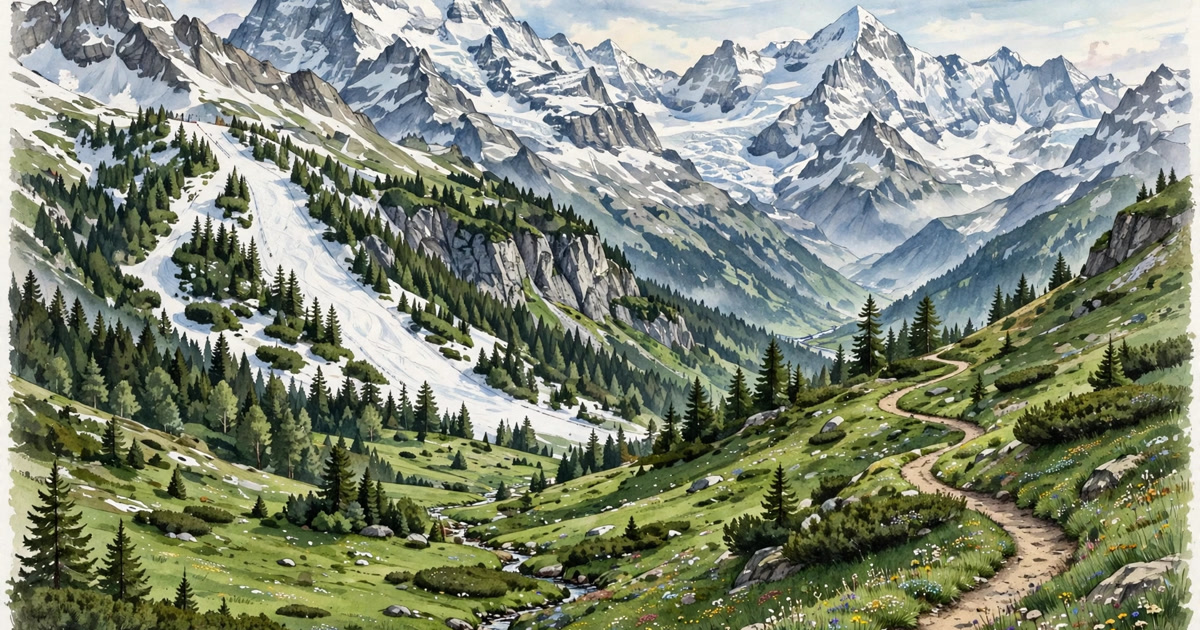
Switzerland skiing and hiking are two halves of one mountain culture, divided by season but sharing the same peaks, valleys and transport network. Winter, roughly December to April depending on altitude, belongs to skiing and snowboarding, with resorts from Zermatt and Verbier to Davos, St Moritz and the Jungfrau region offering groomed pistes, off-piste terrain and glacier skiing. Summer, roughly June to October, belongs to hiking, with thousands of kilometres of marked trails from lakeside walks to high Alpine passes.
Shoulder seasons offer quieter trails and lower prices, but also variable conditions: snow can linger on high passes into early summer, and autumn snow can close trails early. Check resort and trail conditions before travelling, since altitude changes everything in Switzerland, and a valley in sunshine can sit below a peak in cloud and snow. Planning by altitude and season, not just by date, is the key to Swiss mountain trips.
Skiing in Switzerland: Resorts, Passes and Levels
Swiss ski resorts suit every level, and choosing by level matters more than choosing by fame. Beginners and families should look for gentle nursery slopes, ski schools with English-speaking instructors, and compact villages such as those in the Jungfrau region or smaller Valais resorts. Intermediate skiers enjoy the vast linked areas of the Portes du Soleil, Verbier's Four Valleys, and Davos-Klosters, while experts seek steep couloirs, glacier runs and off-piste terrain with a guide.
Ski passes are priced by area and duration, with discounts for multi-day passes, families, and holders of Swiss travel passes, which often give mountain railway discounts. Rent equipment locally rather than carrying it, book lessons early in peak weeks, and check snow reports and lift status each morning. Off-piste skiing demands avalanche awareness, equipment and preferably a guide, since Swiss off-piste terrain is serious mountain terrain, not just ungroomed pistes.
Hiking in Switzerland: Trails, Grades and Huts
Swiss hiking trails are graded by colour and difficulty: yellow for easy hiking paths, white-red-white for mountain trails requiring sure-footedness, and white-blue-white for Alpine routes requiring experience and equipment. That grading system, maintained across the country, lets walkers choose honestly: a yellow lakeside path and a white-blue-white ridge traverse are different activities, not just longer versions of each other. Trail signs show destinations, times and grades, and times are calculated for average walkers without long breaks.
Mountain huts, run by the Swiss Alpine Club and others, offer meals and overnight stays on multi-day routes such as the Via Alpina and Tour du Mont Blanc sections in Switzerland, and booking ahead is essential in summer. Carry water, food, sun protection, rain gear and a map or offline app, even on easy trails, since mountain weather changes fast. Our guide to starting to run safely complements hiking fitness, but mountain fitness itself comes from walking hills regularly, not just from gym training.
Mountain Safety: Weather, Avalanches and Emergencies
Mountain safety in Switzerland skiing and hiking starts with the forecast: check MeteoSwiss mountain forecasts, avalanche bulletins from the SLF in winter, and trail conditions in summer, before every outing. Avalanches kill every winter in Switzerland, mostly off-piste and on ski tours, so check the danger level, carry transceiver, shovel and probe, know how to use them, and travel with experienced partners or a guide when the danger is elevated.
In summer, thunderstorms are the main hazard: start early, avoid ridges and summits in afternoon storm forecasts, and turn back if weather deteriorates, since reaching a summit is never worth a lightning risk. Tell someone your route and expected return, carry a charged phone, and know the emergency number, 144 for ambulance and 1414 for mountain rescue via Rega. Insurance matters too: check that your health and travel insurance cover mountain rescue and helicopter evacuation, which are expensive without cover.
Planning a Swiss Mountain Trip
Plan Switzerland skiing and hiking trips around transport, since Swiss trains, buses and cable cars reach most resorts and trailheads without a car. Base yourself in a valley town with rail access, such as Interlaken, Zermatt, Davos or Arosa, and use day trips to explore, rather than moving hotels daily. Book accommodation early for peak ski weeks and summer hut nights, and check pass and lift discounts before buying.
Pack for layers and changeable weather in both seasons: waterproof jacket, warm layer, sun protection, and proper footwear, ski boots or hiking boots, not trainers, for mountain terrain. Respect local rules on trails, wildlife and protected areas, and leave no trace. With realistic grades, checked forecasts, and travel insurance that covers mountain activities, Swiss mountains offer a lifetime of skiing and hiking.
Making the Most of Switzerland skiing and hiking
The practical lesson of this guide is simple: use the official Switzerland skiing and hiking sources first, note what applies to your own circumstances in Switzerland, and double-check dates, eligibility and costs before you commit to anything connected with outdoors: skiing and hiking. Small checks at the start prevent the most common problems, from missed deadlines to wrong assumptions about what a service covers.
Save this guide, set reminders for any deadlines it mentions, and return to Switzerland skiing and hiking whenever your situation changes, since a new job, move, or family change can alter what applies to you. Shared with family or colleagues who face the same questions, Switzerland skiing and hiking advice becomes easier to follow, and you will find that the system, once understood, is far more navigable than it first appears.
It also helps to keep a short personal note alongside this guide: the dates you applied, the offices you contacted, the reference numbers you were given, and the outcomes, since that record answers most follow-up questions without a fresh search. Official guidance on Switzerland skiing and hiking changes over time, so a dated note of what applied when you acted protects you if a rule later changes or a decision is questioned.
In the end, the goal is not to memorise every detail of outdoors: skiing and hiking in Switzerland, but to know where to look, whom to ask, and what to check before deciding. With official sources bookmarked, documents organised, and Switzerland skiing and hiking revisited at the right moments, you can handle this topic with confidence, and help others do the same.
In short, Switzerland skiing and hiking is worth revisiting whenever your plans change, because the official guidance and the practical details around it are updated regularly.