
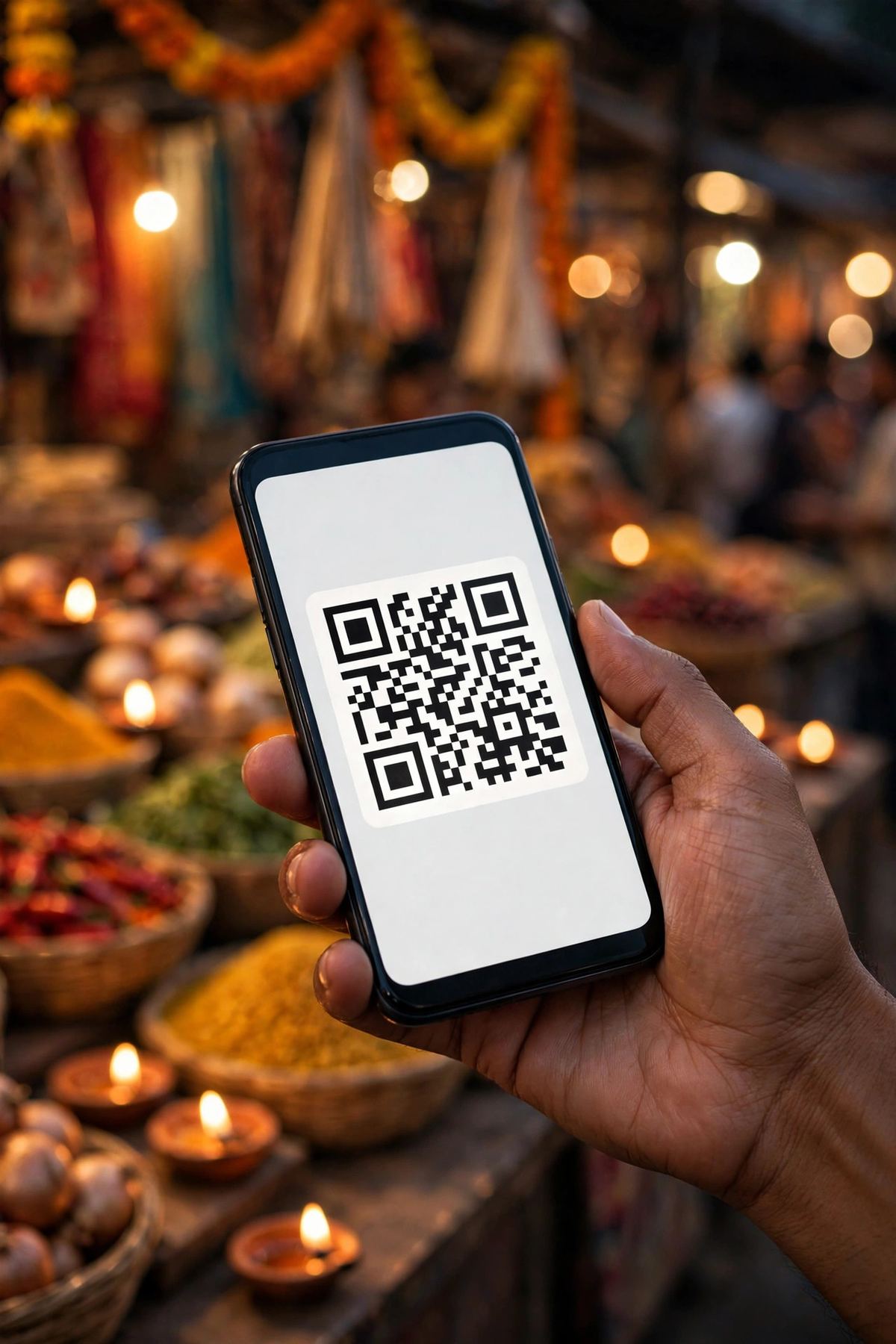
India's shopkeepers, fintech companies, and digital-payment users just got a festive-season reprieve. On October 13, 2026, the National Payments Corporation of India (NPCI) announced that its UPI and Services Steering Committee had decided to defer the implementation of the Merchant Discount Rate (MDR) on select Person-to-Merchant (P2M) Unified Payments Interface (UPI) transactions until immediately after Diwali. The levy had been scheduled to take effect on October 15, 2026 - just two days after the announcement.
In an official media statement, NPCI said the committee had decided that, keeping in mind the festive season, the MDR would be implemented immediately post-Diwali on a date to be notified separately. The move caps a month of intense lobbying by merchant associations and payment companies, and it removes - for now - a cost that retailers feared would land right in the middle of India's biggest shopping season.
Background
UPI, operated by NPCI, is India's leading digital payments platform and one of the largest retail payment systems in the world. Until now, it has operated without a merchant discount rate: unlike credit cards, where merchants pay a fee on every transaction, UPI transactions have been free for both shoppers and sellers. That zero-fee model is widely credited with driving UPI's extraordinary adoption, from street vendors to large retailers.
The plan to introduce MDR began taking shape last month. In a circular dated September 15, 2026, NPCI - backed by the Taxation and Other Laws (Amendment) Bill, 2026, which amends the Payment and Settlement Systems Act, 2007 - set out a proposed fee structure for larger merchant transactions. Under the proposal, person-to-merchant UPI payments above Rs 2,000 would attract a 0.4 percent charge, capped at Rs 300 per transaction for payments of Rs 75,000 and above. Essential categories such as railways, telecom, insurance, and fuel would face a flat Rs 5 per transaction over Rs 2,000, while capital-market transactions would attract 0.02 percent, also capped at Rs 300. Person-to-person transfers, payments below Rs 2,000, and small merchants would remain fully exempt.
The proposal immediately ran into opposition. Merchant bodies including the Confederation of All India Traders (CAIT), the All India Mobile Retailers Association (AIMRA), and the All India Consumer Products Distributors Federation (AICPDF) protested against the levy, warning that it would raise business costs and could be passed on to consumers. The associations even planned a symbolic "No UPI Day" on October 2 - a protest they withdrew after meeting Finance Minister Nirmala Sitharaman on September 30.
What Happened
On October 13, two days before the October 15 start date, the UPI and Services Steering Committee - the body the Finance Ministry had designated to decide on MDR, with NPCI at its head - chose to postpone the rollout. NPCI's media statement gave the festive season as the reason: introducing new charges this week, with Diwali shopping already underway, risked disrupting merchant operations during their highest-volume period of the year. Diwali falls on November 8 in 2026, and the weeks before it are traditionally India's peak retail window, led by Dhanteras and Diwali purchases.
The proposed fee structure itself has not changed. Transactions above Rs 2,000 at large merchants would still attract 0.4 percent - Rs 8 on a Rs 2,000 payment, Rs 40 on a Rs 10,000 payment - with a Rs 300 ceiling on very large transactions. NPCI has not confirmed whether these rates or thresholds will be revised before the new start date; the announcement says only that the date will be notified separately. Some reports had suggested the rollout could be deferred until January 2027, but the official decision is for implementation immediately post-Diwali.
Why It Matters
The stakes are highest for merchants. Festival-season volumes reach historic highs on UPI, and introducing a new fee structure in the middle of that surge could have caused checkout friction, processor bottlenecks, and disputes between merchants and payment providers - precisely the operational risks trade bodies raised. By moving the start date past Diwali, the committee gives merchants and payment companies time to prepare their systems and settle commercial arrangements without the pressure of peak-season traffic.
Consumers, meanwhile, have little to fear either way. The MDR is paid by the merchant, not the customer - and under the Finance Ministry's framework, merchants are not permitted to pass the charge on to shoppers. Sending money to a person stays free, and so does paying a shop up to Rs 2,000. More than 95 percent of person-to-merchant UPI transactions are expected to remain exempt from the levy, according to industry reporting. The broader Indian market was already jittery this week - Asian equities including the Kospi and Nikkei slid on oil-related concerns, as we explained - so removing one source of domestic friction is a small but welcome relief.
The decision also moved markets. Shares of listed payment companies including Paytm, MobiKwik, and Pine Labs fell up to 7 percent intraday on October 13, as investors trimmed the revenue they had expected from the new fee - before rebounding after the deferral was announced. The episode shows how closely the fintech sector's fortunes are tied to UPI's economics. Notably, RBI Governor Sanjay Malhotra had said on October 7 that a small MDR fee was unlikely to have a major effect on UPI transaction volumes, suggesting the central bank is comfortable with the policy direction even if the timing has shifted.
Key Facts
- What was deferred: the Merchant Discount Rate (MDR) on select person-to-merchant (P2M) UPI transactions, originally scheduled to begin October 15, 2026.
- Who decided: the UPI and Services Steering Committee, announced by NPCI on October 13, 2026; the reason given was the festive season.
- New timeline: implementation immediately post-Diwali - Diwali falls on November 8, 2026 - with the exact date to be notified separately.
- Proposed rates: 0.4% on P2M transactions above Rs 2,000, capped at Rs 300 for transactions of Rs 75,000 and above; flat Rs 5 per transaction over Rs 2,000 for railways, telecom, insurance, and fuel; 0.02% capped at Rs 300 for capital-market transactions.
- Exemptions: person-to-person transfers, all payments below Rs 2,000, and small merchants (below Rs 1 lakh in monthly volume) stay free - covering more than 95% of P2M UPI transactions.
- The legal backing: NPCI's September 15, 2026 circular, supported by the Taxation and Other Laws (Amendment) Bill, 2026, which amends the Payment and Settlement Systems Act, 2007.
- The protests: CAIT, AIMRA, and AICPDF opposed the levy; their planned "No UPI Day" on October 2 was withdrawn after they met Finance Minister Nirmala Sitharaman on September 30.
- Market reaction: Paytm, MobiKwik, and Pine Labs shares fell up to 7% intraday on October 13 on the expected revenue impact, then recovered after the deferral.
What's Next
The immediate question is the new date. NPCI has said it will be notified separately, and until that circular arrives, UPI merchant payments continue exactly as before - free at the point of sale. Whether the proposed rates survive unchanged is also open: NPCI has not confirmed the 0.4 percent structure for the revised rollout, and the weeks after Diwali give merchant bodies and fintech companies a window to keep negotiating the details. Some earlier reports had floated a deferral all the way to January 2027, so the final timeline could still shift.
For ordinary users, the practical advice is simple: nothing changes. Keep paying as usual; the fee, when it arrives, is the merchant's to pay and cannot legally be passed on to you. For merchants, especially large ones, the reprieve is a chance to update billing systems and understand which of their transactions will attract the fee once the post-Diwali date is set. And for the payments industry - where investor expectations now hinge on UPI economics, even as India's appeal for foreign capital keeps growing, as Japan's record FDI quarter shows - the next NPCI circular will be the document to watch.