
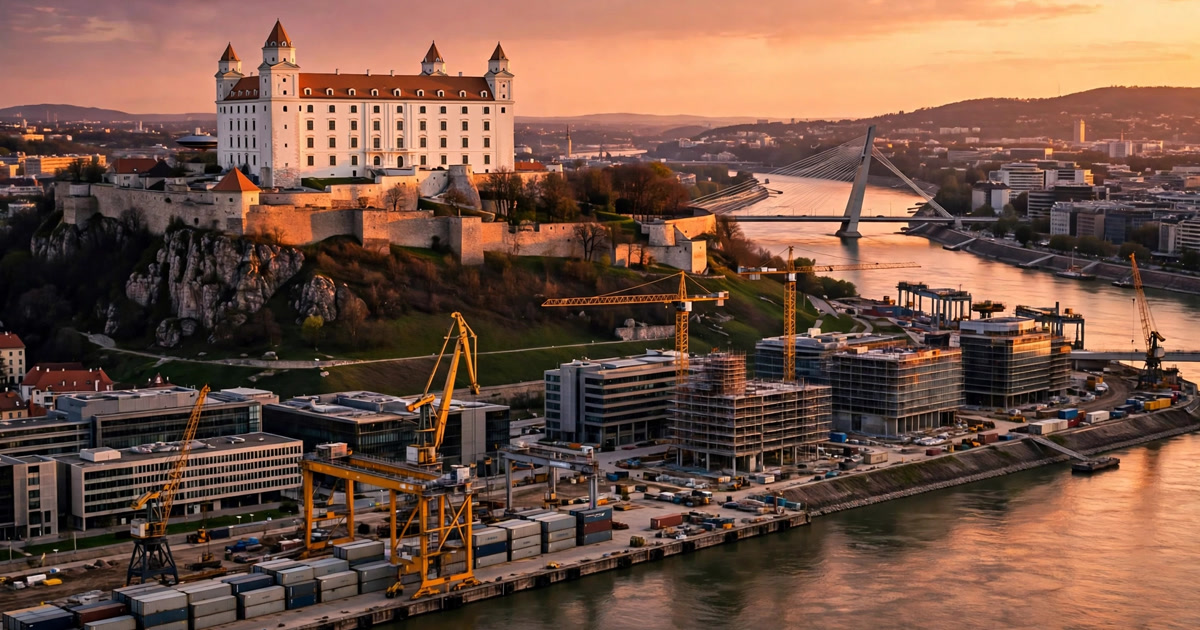
Slovakia's economy, anchored by car manufacturing and growing IT and shared services, offers steady opportunities in a compact, affordable country. Jobs in Slovakia concentrate in Bratislava, with automotive plants in Trnava, Žilina and Nitra, and tech growth in Košice.
This guide explains jobs in Slovakia for locals and foreigners: hiring sectors, salaries, language, visas and how to apply. It suits jobseekers considering Central Europe as well as those already living in Slovakia.
Automotive and Manufacturing Jobs in Slovakia
Jobs in Slovakia are dominated by automotive manufacturing, with Volkswagen in Bratislava, Kia in Žilina, Stellantis in Trnava and Jaguar Land Rover in Nitra, plus extensive supplier networks. Engineering, production, logistics and quality roles are plentiful.
Manufacturing jobs suit engineers, technicians and skilled workers, with shift work common and overtime boosting pay. Suppliers also hire in electronics, plastics and metalworking, spreading jobs in Slovakia beyond the car plants themselves.
IT, Shared Services and Finance
IT and shared-service jobs in Slovakia grow in Bratislava and Košice, with software development, support, finance operations and customer service for multinationals. English-speaking roles are common, and German, French and other languages add value.
These roles offer office work, training and career paths into management, and they suit graduates and experienced professionals alike. Salaries exceed manufacturing averages, though Bratislava living costs offset some of the advantage.
Salaries and Living Costs
Salaries for jobs in Slovakia vary by sector and city: IT and finance pay most, automotive engineering sits in the middle, and retail, hospitality and basic services pay least. Bratislava salaries and rents both lead the country.
Living costs outside Bratislava are notably lower, especially in eastern Slovakia, though jobs are scarcer there. Compare total packages, including bonuses, meal vouchers, transport and training, rather than headline salary alone.
Language and Visas for Jobs in Slovakia
Slovak language needs for jobs in Slovakia depend on the role: international firms work in English, but Slovak helps daily life, promotion and roles with local customers. Learning Slovak signals commitment and opens far more opportunities.
EU citizens work freely, while non-EU citizens need work permits and residence authorisations tied to employers. Prepare how to write a strong resume in English and Slovak where possible, and practise how to prepare for a job interview with concrete examples from your work.
How to Apply for Jobs in Slovakia
Apply for jobs in Slovakia through Profesia.sk, LinkedIn, company sites, agencies and EURES, tailoring applications to each employer. Highlight languages, technical skills and relevant experience, and follow up politely after applying.
Networking in Bratislava's business community, expat groups and industry events surfaces unadvertised roles. Verify employers, confirm contracts, and be cautious of offers demanding payment, which legitimate employers do not require.
Eastern Slovakia: Košice and Prešov
Eastern Slovakia's job market centres on Košice, with IT, steel, services and universities, and Prešov, with manufacturing and services. Salaries lag Bratislava, but living costs are lower and competition less intense.
Košice's tech park, hospitals and cultural life attract graduates, while Prešov offers quieter living and manufacturing roles. Eastern workers often commute or relocate for Bratislava roles, though remote work increasingly bridges the gap.
Work Culture and Benefits
Slovak work culture values reliability, punctuality and directness, with holiday entitlements, meal contributions and 13th salaries common in larger firms. Hierarchies are moderate, and personal relationships influence teamwork.
Benefits vary by employer: multinationals offer training, flexible hours and bonuses, while smaller firms offer closer teams and varied roles. Compare total packages, including benefits and development, when choosing between offers.
Unemployment Support and Retraining
Jobseekers in Slovakia can register with labour offices, which offer counselling, retraining courses and job listings, plus benefits for eligible unemployed workers. Retraining in IT, languages and trades improves prospects, especially for career changers.
EU mobility support through EURES also helps Slovaks seek work abroad and foreigners seek work in Slovakia. Using official support early, rather than after long unemployment, improves outcomes and access to funded training.
Starting a Business in Slovakia
Starting a business in Slovakia involves trade licences, company registration, tax and social contributions, with simplified procedures for sole traders. Bratislava's startup scene, plus regional hubs, supports founders with incubators and funding.
Entrepreneurs should research market demand, tax obligations and grant opportunities, and consider whether employment or self-employment suits their risk profile. Many professionals test business ideas part-time before committing fully.
Jobs in Slovakia: CV Tips for Local Employers
CVs for jobs in Slovakia should be clear, concise and tailored, with experience, skills, languages and education prominent. Slovak employers value honesty about language levels and availability, plus references from previous employers where possible.
Include a short profile summarising strengths and goals, and adapt it per role. For jobs in Slovakia, a tailored CV that mirrors the job description's key requirements outperforms a generic one every time.
Jobs in Slovakia: Relocation and Settling In
Relocating for jobs in Slovakia means housing, registration, health insurance, banking and transport, with Bratislava's rental market the most competitive. Start early, verify landlords, and budget for deposits.
Settling in improves with Slovak lessons, local contacts and community involvement, from sports clubs to professional groups. Jobs in Slovakia become careers when newcomers invest in language, networks and local life.
Regional Pay Differences and Remote Work
Pay differs markedly between Bratislava and eastern regions, reflecting living costs, employer mix and competition for talent. Remote work narrows some gaps, allowing eastern-based professionals to serve Bratislava or international employers without relocating, though not all roles suit remote arrangements.
Hybrid work grows in IT, finance and services, while manufacturing and healthcare remain place-based. Workers weighing offers should compare total pay, commuting, housing and career growth together, since a lower salary in a cheaper city can mean a better standard of living.
Housing Costs and Commuting Choices
Housing costs shape job decisions strongly, with Bratislava rents consuming large salary shares, while regional cities offer cheaper homes and shorter commutes. Workers should compare rent, transport time and quality of life together, since a longer commute from a cheaper suburb can cost time that outweighs savings.
Public transport in Bratislava, Košice and other cities is reliable, and many employers subsidise travel passes. Choosing housing near transport lines, rather than by headline rent alone, often delivers the best balance of cost, comfort and daily convenience.
Slovakia offers manufacturing strength, growing tech and affordable living. Target the right sector and city, learn Slovak, and apply with tailored, honest applications.
Sources: Slovak Ministry of Labour; Statistical Office of Slovakia; EURES Slovakia.