
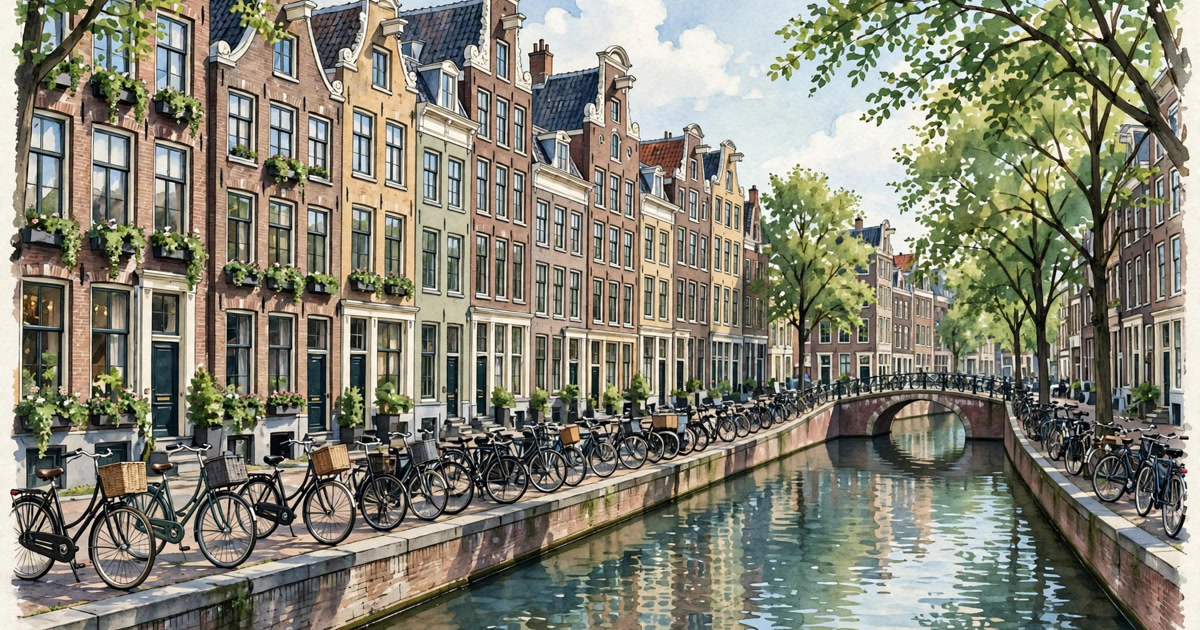
Netherlands Jobs and Rentals: Two Searches That Interact
Netherlands jobs and rentals are best planned together, because where you work shapes where you can live, and housing costs shape which jobs make sense. Amsterdam, Utrecht, Rotterdam, The Hague and Eindhoven offer the most English-speaking jobs, especially in technology, finance, logistics and international organisations, but also the tightest housing markets. Smaller cities such as Groningen, Maastricht and Leiden offer lower rents and a different pace, with fewer international roles.
Start both searches early and in parallel. A job offer strengthens a rental application, since landlords want proof of income, while a confirmed address simplifies registration and bank accounts. Budget carefully: Dutch rents in major cities can consume a large share of income, so compare net salary, rent, health insurance and transport costs together rather than judging a job by gross salary alone.
Finding Jobs in the Netherlands, Including in English
The Dutch job market is unusually open to English speakers in international sectors, though Dutch language skills widen options substantially and matter for public-sector, healthcare and customer-facing roles. Major job boards, LinkedIn, company career pages and recruitment agencies all carry vacancies, and the public employment service UWV offers listings and support. Networking through meetups, professional associations and alumni groups matters in the Netherlands, where referrals carry weight.
Dutch applications typically include a concise CV, often one to two pages, and a tailored motivation letter explaining why this role and this company. Interviews are usually direct and practical, with a focus on fit and concrete examples, and salary negotiation is expected but should be grounded in market data. Our guide to writing a resume covers structure that works internationally, and preparing for a job interview helps you practise the direct Dutch interview style.
Finding Rentals: The Dutch Housing Search
Finding Netherlands jobs and rentals housing is famously competitive in Amsterdam and other large cities, where listings attract many applicants within hours. Start with listing platforms, housing corporations for social housing, where waiting lists are long, and private landlords and agents for the free-sector market. Set alerts, prepare a complete application file in advance, and be ready to view and decide quickly.
Your application file should include identification, proof of income or employment contract, and sometimes references or a credit check. Landlords often require gross income of three to four times the monthly rent, which excludes many single earners from central Amsterdam rentals and pushes searches to suburbs and neighbouring towns. Beware of scams: never pay before viewing, verify the landlord or agent, and be suspicious of rents far below market level or landlords who claim to be abroad.
Rental Contracts, Costs and Tenant Rights
Dutch rental contracts come in fixed-term and indefinite forms, and the terms matter enormously. Indefinite contracts offer strong protection, while fixed-term contracts of two years or less have different rules. Check the rent, service costs, deposit, notice period, and whether the property falls under rent regulation, which caps rents for many homes below a threshold based on a points system. The Rent Tribunal, the Huurcommissie, can assess whether a regulated rent is fair.
Tenants have rights around maintenance, privacy and deposit return, and landlords must maintain the property and give proper notice before visits. Keep copies of your contract, inspection reports, photographs at move-in, and all correspondence. If a dispute arises, the Huurcommissie or a legal advice service can help without immediate court action. Understand service costs too: they cover shared services and utilities in some buildings and are settled annually, so ask for the breakdown before signing.
Settling In: Registration, Neighbours and the Long Term
Once you have a job and a home, register at your municipality within five days of arrival if you are staying long-term, bringing your passport, rental contract and, for non-EU citizens, your residence permit. Registration gives you a citizen service number, the BSN, needed for work, tax, health insurance and bank accounts. Arrange compulsory Dutch health insurance within four months of arrival, and open a bank account for salary and rent payments.
Dutch neighbourhood life is practical and sociable: introduce yourself to neighbours, learn basic Dutch greetings even if you work in English, and join local activities to build a network. Review your housing and job situation annually, since rents, contracts and career opportunities change, and keep an eye on what inflation means for household bills when judging rent rises. Planned together, Netherlands jobs and rentals become a stable base rather than a constant stress.
Making the Most of Netherlands jobs and rentals
The practical lesson of this guide is simple: use the official Netherlands jobs and rentals sources first, note what applies to your own circumstances in Netherlands, and double-check dates, eligibility and costs before you commit to anything connected with jobs and housing: vacancies and rentals. Small checks at the start prevent the most common problems, from missed deadlines to wrong assumptions about what a service covers.
Save this guide, set reminders for any deadlines it mentions, and return to Netherlands jobs and rentals whenever your situation changes, since a new job, move, or family change can alter what applies to you. Shared with family or colleagues who face the same questions, Netherlands jobs and rentals advice becomes easier to follow, and you will find that the system, once understood, is far more navigable than it first appears.
It also helps to keep a short personal note alongside this guide: the dates you applied, the offices you contacted, the reference numbers you were given, and the outcomes, since that record answers most follow-up questions without a fresh search. Official guidance on Netherlands jobs and rentals changes over time, so a dated note of what applied when you acted protects you if a rule later changes or a decision is questioned.
In the end, the goal is not to memorise every detail of jobs and housing: vacancies and rentals in Netherlands, but to know where to look, whom to ask, and what to check before deciding. With official sources bookmarked, documents organised, and Netherlands jobs and rentals revisited at the right moments, you can handle this topic with confidence, and help others do the same.
In short, Netherlands jobs and rentals is worth revisiting whenever your plans change, because the official guidance and the practical details around it are updated regularly.