
Seychelles tortoises reserves are the heart of the islands' natural heritage, home to giant Aldabra tortoises that can live over a century, ancient palm forests, and marine reserves teeming with fish, turtles and rays. Seychelles tortoises reserves include UNESCO World Heritage sites, national parks and island sanctuaries where wildlife is protected and visitors can observe it responsibly. This guide explains where to see tortoises, which reserves matter most, and how to visit without harming fragile ecosystems.
Seychelles' isolation in the Indian Ocean allowed unique species to evolve, including the coco de mer palm, found only in Seychelles, and giant tortoises that once roamed many islands. Conservation, including eradication of invasive species, habitat restoration and strict visitor rules, has protected much of that heritage, though climate change, coral bleaching and invasive species remain threats. Understanding Seychelles tortoises reserves means appreciating both the wildlife and the conservation work that keeps it alive.
Seychelles Tortoises Reserves: Giant Aldabra Tortoises
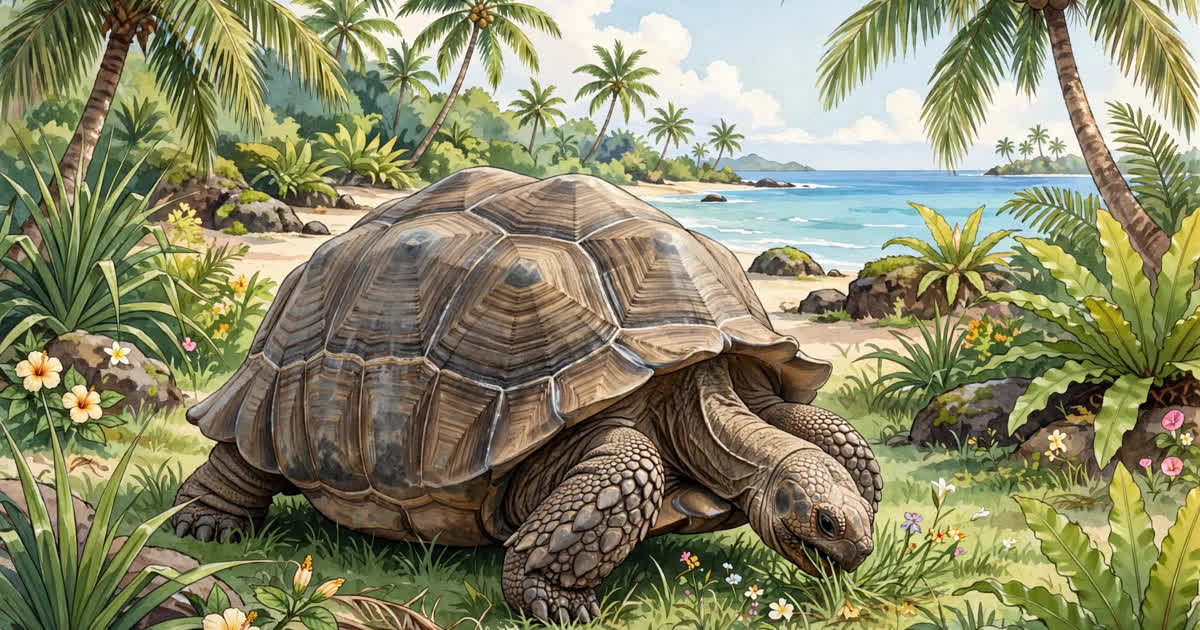
Seychelles tortoises reserves start with the Aldabra giant tortoise, one of the world's largest tortoise species, with adults weighing over 200 kilograms and living more than 100 years. Wild populations survive principally on Aldabra Atoll, a remote UNESCO site, while semi-wild and sanctuary populations live on Curieuse, Cousin, Aride, Moyenne and other islands, as well as in botanical gardens and hotels that participate in conservation. Tortoises graze on grasses and leaves, bask in sun, and move slowly through forests and beaches, offering unforgettable close encounters when approached calmly.
When visiting Seychelles tortoises reserves, observe tortoises from a respectful distance, do not ride, sit on or feed them unless a guide explicitly allows feeding with approved food, and keep voices low and movements slow. Tortoises may approach visitors out of curiosity, especially in sanctuaries where they are habituated, but wild tortoises should not be handled or disturbed. Photograph without flash at close range, and follow guide instructions on paths, because tortoise nesting areas and fragile vegetation need protection from trampling.
Seychelles Tortoises Reserves: Vallée de Mai and Coco de Mer
Seychelles tortoises reserves include Vallée de Mai on Praslin, a UNESCO World Heritage palm forest and one of only two places where the coco de mer palm grows naturally. The reserve's ancient forest, with towering palms, endemic birds including the black parrot, and orchids, feels primeval, with well-marked trails through shade and humidity. Guided walks explain the coco de mer's extraordinary double nut, the largest seed in the plant kingdom, and the forest's ecology, including why the palm's pollination and dispersal remain scientific puzzles.
Vallée de Mai visits require entrance fees that fund conservation, and visitors should stay on trails, not pick plants or nuts, and carry water and insect repellent. The reserve is best visited in the morning for bird activity and cooler temperatures, with a guide recommended for first visits to understand the forest's stories. Nearby, Fond Ferdinand Reserve on Praslin also protects coco de mer and offers panoramic viewpoints, providing a quieter alternative for nature lovers who want a less crowded forest experience.
Seychelles Tortoises Reserves: Curieuse, Cousin and Island Sanctuaries
Seychelles tortoises reserves island sanctuaries each offer distinct experiences. Curieuse Island, a short boat ride from Praslin, is famous for free-roaming giant tortoises, a former leper colony history, mangroves and a breeding programme for tortoises, with rangers guiding visitors through tortoise areas and trails. Cousin Island, a former coconut plantation turned nature reserve, protects seabird colonies, tortoises and endemic birds, with guided visits only, limited numbers, and strict rules to protect nesting birds. Aride Island, a bird reserve, hosts seabird colonies, endemic birds and tortoises, with guided tours that explain conservation and research.
Other Seychelles tortoises reserves include Moyenne Island, with tortoises and trails in a small, privately managed reserve, and the Botanical Gardens in Victoria, Mahé, where tortoises, endemic plants and fruit bats offer an accessible introduction for families and visitors with limited mobility. Island sanctuary visits usually require boat transfers, entrance fees and guide accompaniment, so book in advance, check opening days, and plan for sun, water and sturdy shoes. Respect sanctuary rules: no drones without permission, no feeding wildlife, and no removal of shells, plants or sand.
Seychelles Tortoises Reserves: Aldabra Atoll and Remote Wonders
Seychelles tortoises reserves crown jewel is Aldabra Atoll, a UNESCO World Heritage site and one of the world's largest raised coral atolls, home to the largest wild giant tortoise population, plus turtles, sharks, rays, frigatebirds and unique marine life. Aldabra is remote, strictly protected, and accessible only through limited expedition cruises or research visits, with no regular tourist infrastructure, making it a bucket-list destination for serious naturalists rather than a casual day trip. Its isolation has preserved ecosystems largely untouched, though climate change and marine debris still threaten its reefs and beaches.
For most visitors, Aldabra's story is experienced through documentaries, exhibitions and the tortoises descended from Aldabra populations on other islands, rather than direct visits. Supporting Aldabra conservation through donations to the Seychelles Islands Foundation, responsible tourism elsewhere, and avoiding single-use plastics that wash onto remote beaches, helps protect the atoll indirectly. If an expedition cruise to Aldabra is offered, check operator credentials, environmental policies, landing permissions and group size, because responsible access is limited by design.
Seychelles Tortoises Reserves: Marine Life and Marine Parks
Seychelles tortoises reserves extend underwater to marine parks and protected areas, including Sainte Anne Marine National Park near Mahé, Curieuse Marine National Park, and Silhouette and other protected zones. Marine parks protect coral reefs, seagrass beds, fish, turtles, rays and sharks, with snorkelling and diving offering encounters with parrotfish, angelfish, moray eels, reef sharks and, in season, whale sharks and manta rays. Coral bleaching events have damaged reefs in past years, but recovery, restoration projects and fishing controls help reefs regenerate, especially in well-managed parks.
Responsible marine viewing means using reef-safe sunscreen, not touching coral or marine animals, maintaining distance from turtles and sharks, and following guide and park rules on anchoring, fishing and waste. Dive and snorkel operators in marine parks should brief visitors on reef etiquette, and visitors should choose operators with conservation credentials. Marine reserves are not aquariums: wildlife sightings vary by season, weather and luck, and patience, early starts and local guide knowledge improve chances far more than chasing animals.
Seychelles Tortoises Reserves: Responsible Visiting Checklist
A Seychelles tortoises reserves checklist runs: book guided reserve visits in advance, wear sturdy shoes, sun protection and insect repellent, carry water in reusable bottles, and bring binoculars for birds. Stay on trails, do not feed or handle wildlife unless guides allow, do not remove plants, shells or sand, and dispose of waste properly, including microplastics from packaging. Support conservation by paying entrance fees, choosing licensed guides, and donating to Seychelles conservation organisations where possible, because tourism revenue funds protection.
With respectful behaviour, Seychelles tortoises reserves offer encounters that stay with visitors for life: a century-old tortoise grazing in morning sun, a coco de mer palm towering overhead, seabirds wheeling over a sanctuary island, and coral reefs alive with colour. Those wonders survive because visitors, guides and conservationists protect them together. For related nature travel guidance, see how to travel on a budget, travel insurance explained, and Seychelles beaches and island hopping guide.