
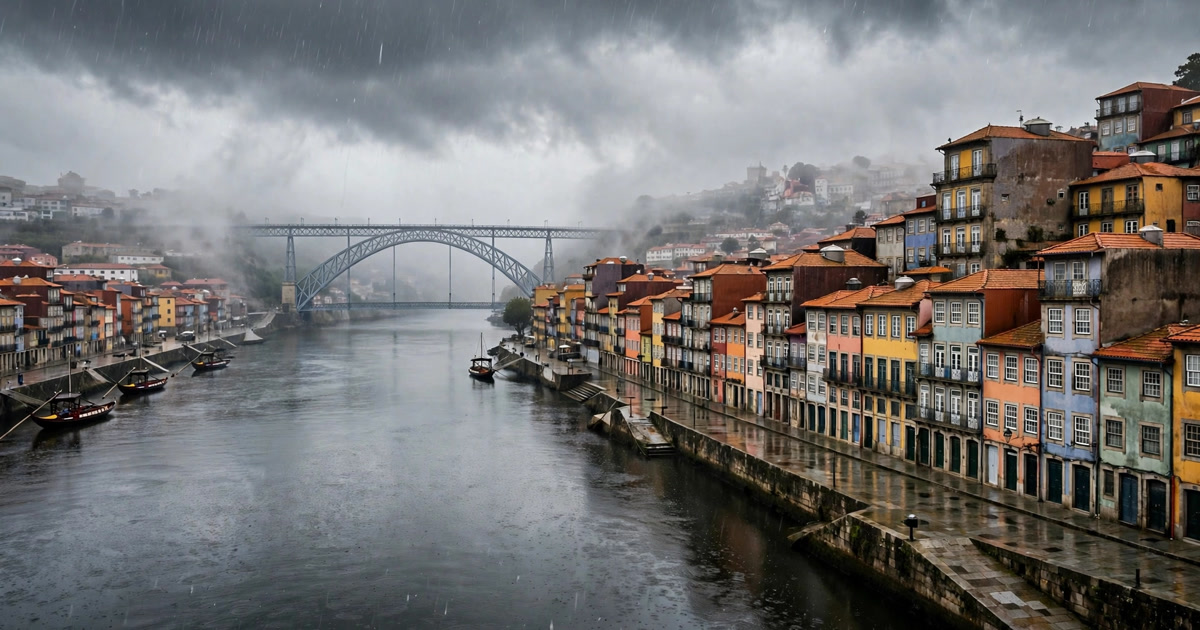
Portugal is often sold as a sunshine destination, but its weather is more varied than the postcards suggest. A good Portugal weather forecast distinguishes the rainy north from the dry south, because Porto can be soaked while Faro basks in sunshine on the same winter day.
This guide explains how the Portugal weather forecast works, who issues it, what to expect in Porto, Lisbon and the Algarve, and how to plan around rain. It is useful for holidays, relocation and anyone who wants to understand Portuguese seasons properly.
How the Portugal Weather Forecast Works
The Portugal weather forecast is issued by IPMA, the Instituto Português do Mar e da Atmosfera, which provides national, regional and district forecasts plus warnings for rain, wind, heat and coastal conditions. District-level detail matters, because Portugal's weather changes fast between coast and interior.
For daily use, check the Portugal weather forecast for your district rather than a national summary. IPMA also publishes sea conditions, UV levels and fire-risk information, which are essential for beach days, hiking and summer travel planning.
Porto and Northern Rain in the Portugal Weather Forecast
Porto and the north dominate rain in the Portugal weather forecast. Atlantic weather systems arrive from the west, bringing frequent rain from October to March, green landscapes, and full rivers, while summers stay warm and mostly dry.
Winter visitors to Porto should pack a waterproof and plan indoor alternatives such as port lodges, museums and markets. The rain is rarely extreme, but it is persistent, and a Portugal weather forecast that shows a week of drizzle in Porto is normal, not a reason to cancel.
Lisbon, the Alentejo and the Algarve
Lisbon sits between the wet north and the dry south, with mild, rainy winters and hot, dry summers. The Alentejo interior is hotter and drier, while the Algarve enjoys the most sunshine in mainland Portugal, with mild winters that attract long-stay visitors.
The Portugal weather forecast for the Algarve still includes winter rain and occasional storms, especially in November and December. Madeira and the Azores have their own Atlantic climates, with rain possible at any time of year, so island forecasts must be checked separately.
Portugal Weather Forecast by Season
Spring is arguably the best season in the Portugal weather forecast calendar, with wildflowers, mild temperatures and manageable rain. Summer brings heat, especially inland, where temperatures can exceed 40 degrees, and fire risk rises sharply.
Autumn sees the return of rain, first in the north and later in the south, while winter is mild by European standards but wet. For walking, cycling and city breaks, spring and early autumn usually offer the best Portugal weather forecast balance.
Using the Portugal Weather Forecast for Travel
Use the Portugal weather forecast to pack and plan, not just to choose dates. A waterproof jacket, layers and comfortable walking shoes matter more than an umbrella alone, and flexible itineraries help when a rainy day interrupts outdoor plans.
If you are comparing destinations, travel on a budget in spring or autumn often combines better prices with pleasant weather. For beach trips, check sea temperature and wind as well as air temperature, and remember that Atlantic water stays cooler than Mediterranean water.
Rainfall Numbers: How Wet Is Porto Really
Porto receives roughly 1,200 millimetres of rain a year, more than double Lisbon's total, with most falling between October and March. Winter months can each bring over 150 millimetres, while July and August often see less than 20 millimetres, a contrast that shapes everything from gardening to tourism.
These figures explain why northern Portugal looks so green and why its rivers run full. They also mean that a rainy forecast in Porto is a normal winter pattern, not an exceptional event, and visitors who pack accordingly enjoy the city just as much in drizzle as in sunshine.
Wind, Fog and Coastal Conditions
Beyond rain, the Portugal weather forecast covers wind, fog and sea state, all of which matter on the Atlantic coast. Nortada winds cool summer afternoons in the north, fog rolls into Porto and Lisbon on some mornings, and Atlantic swells affect surfing, fishing and ferry crossings.
Surfers should check swell and wind together, since the same day can offer excellent waves at one beach and dangerous conditions at another. Walkers on coastal paths should respect cliff warnings, especially after rain, when paths become slippery and erosion risk rises.
Comparing Portugal with Neighbouring Climates
Portugal's climate sits between Atlantic and Mediterranean influences, and comparisons help travellers calibrate expectations. Northern Portugal resembles Galicia in rainfall, while the Algarve resembles southern Spain in sunshine, and Madeira's climate is subtropical rather than continental.
Reading a Ireland weather forecast guide shows how Atlantic islands share Portugal's changeability, while climate change explains why heatwaves and drought are lengthening across the Iberian Peninsula. Together, these contexts turn a simple forecast into a fuller understanding of Portuguese weather.
Packing and Planning for Portuguese Rain
Pack a proper waterproof jacket, water-resistant shoes and layers, rather than relying on a small umbrella that fails in Atlantic wind. Quick-dry clothing helps for walking days, and a dry bag protects phones and cameras during downpours.
Plan rainy days around indoor strengths: Porto's wine lodges, Lisbon's museums, tile workshops and covered markets all shine in wet weather. A flexible itinerary that treats rain as a change of plan, not a ruined day, is the most reliable way to enjoy Portugal in any season.
Microclimates Within Porto Itself
Even within Porto, weather varies: the riverside can be windy and damp while hillside neighbourhoods stay drier, and the nearby coast brings sea mist that inland districts escape. The Douro Valley, a short drive away, is often warmer and drier than the city, which is why wine country visits work well on drizzly Porto days.
This local variety rewards flexible planning. If the riverside looks grey, try a museum, a market hall or a port lodge tour, and save viewpoints and river walks for clearer spells. Porto's beauty survives rain, and many photographers prefer its moody, atmospheric light.
Portugal rewards travellers who respect its north-south divide. Check the district forecast, pack for Porto rain even in shoulder seasons, and enjoy the sunshine when it comes.
Sources: IPMA (Instituto Português do Mar e da Atmosfera); Visit Portugal climate guides.