
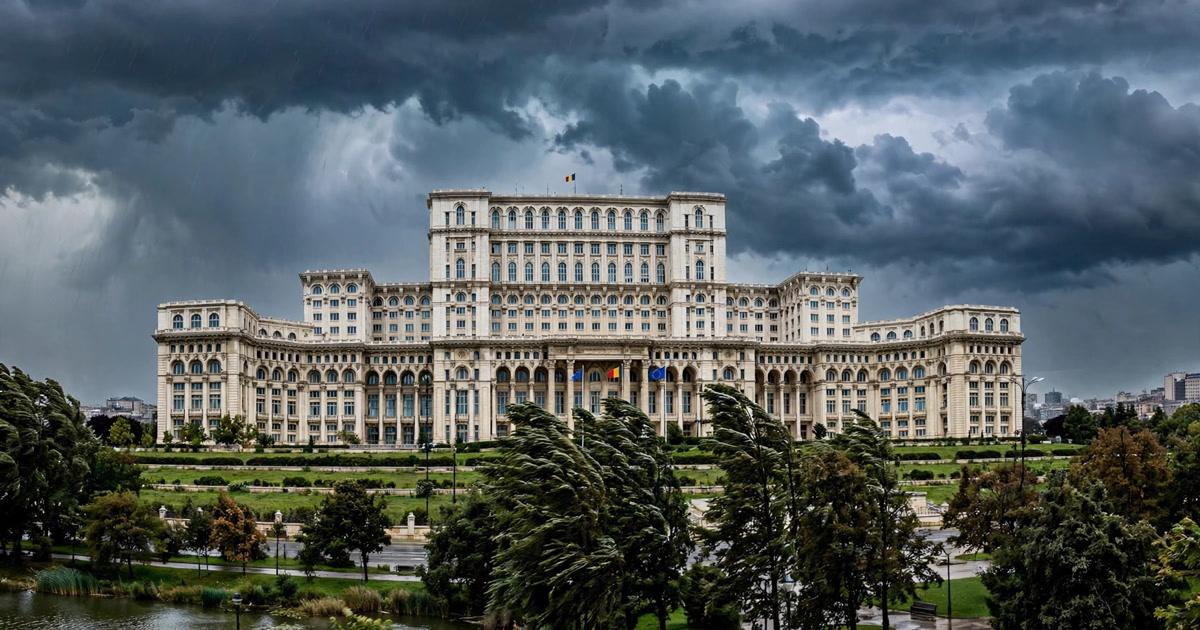
Bucharest experiences some of Europe's sharpest continental swings, from scorching summers above 35 degrees to freezing winters below minus 15. A Bucharest weather forecast is essential for residents and visitors, since the capital's extremes exceed those of many European cities.
This guide explains the Bucharest weather forecast: who issues it, what each season brings, how the capital differs from Transylvania, the coast and the mountains, and how to plan around heat, cold and storms.
Who Issues the Bucharest Weather Forecast
The Bucharest weather forecast is issued by ANM, the National Meteorological Administration, which runs stations, radar and models across Romania. Forecasts cover temperature, wind, precipitation and warnings for heat, frost, snow, storms and floods.
Warnings are issued by county and phenomenon, so check Bucharest-Ilfov specifically rather than a national summary. ANM apps, media bulletins and the capital's local alerts carry updates, with warnings changing quickly during storm events.
Hot Summers in Bucharest
Summer in the Bucharest weather forecast means heat, often above 35 degrees in July and August, with urban heat trapping warmth overnight and tropical nights above 20 degrees. Parks, fountains and shaded boulevards offer relief, but midday activity demands caution.
Summer storms bring heavy rain, lightning and gusty winds, occasionally flooding streets and disrupting transport. Drink water, seek shade, and plan sightseeing for mornings and evenings during heatwaves.
Cold Winters and Snow
Winter in the Bucharest weather forecast brings cold, snow and ice, with January averages below freezing and blizzards, known as viscol, occasionally closing roads and schools. The capital's flat plain exposes it to cold eastern winds.
Winter travel needs warm clothing, sturdy boots and flexible plans for snow, while Christmas markets and indoor attractions thrive despite cold. Heating, winter tyres and emergency supplies matter for residents and drivers alike.
Spring, Autumn and Regional Contrasts
Spring brings blossom, rain and rapid warming, with Bucharest parks at their best in April and May, while autumn offers golden leaves, harvest festivals and milder temperatures before winter's arrival. Both seasons suit city sightseeing.
Regional contrasts are sharp: Transylvania is cooler and hillier, the Black Sea coast is milder and windier, and the Carpathians are colder and snowier. A Bucharest weather forecast should not be mistaken for a Romanian forecast generally.
Climate Trends and Travel Tips
Bucharest warms with more heat days and tropical nights, affecting health, energy use and urban planning, while winter cold still occurs. Understanding climate change helps explain why continental extremes intensify even as averages rise.
A Germany weather forecast guide shows how neighbouring forecasts compare, but local ANM detail remains best. Check the Bucharest weather forecast before travel, pack layers, and plan around heat and cold extremes.
Bucharest Snow and Blizzards
Bucharest blizzards, or viscol, bring heavy snow, strong winds and drifting, occasionally closing roads, schools and airports, and stranding vehicles on the flat plain. ANM issues blizzard warnings with wind and snow criteria.
During viscol, residents should avoid non-essential travel, keep emergency supplies, and follow authority guidance, since conditions deteriorate fast. Drivers caught in blizzards should stay with vehicles and call emergency services rather than walking in whiteouts.
Bucharest Heat Health
Bucharest heat health risks rise during tropical nights, when temperatures stay above 20 degrees and vulnerable people cannot recover. Older residents, children and outdoor workers need shade, water, cool rooms and regular checks during heatwaves.
Municipalities open cooling spaces, extend park hours and issue heat advice during severe events. Individuals should plan outdoor work for mornings, wear light clothing, and recognise heat-exhaustion signs early.
Carpathian Weather Contrasts
Carpathian weather contrasts sharply with Bucharest, with mountain resorts cooler, snowier and windier, offering skiing while the capital swelters or freezes differently. Brașov, Sinaia and Predeal weather deserves separate checks for mountain trips.
Altitude drives contrasts: every 100 metres of elevation cools temperatures noticeably, and mountain valleys trap fog while ridges sit in sun. Mountain forecasts, not Bucharest outlooks, should guide Carpathian travel.
Danube and Black Sea Weather
Danube Delta and Black Sea weather differ from Bucharest, with coastal breezes moderating summer heat, sea fog in spring, and storms affecting ferries and beach activities. Constanța and Mamaia forecasts suit seaside trips better than capital outlooks.
Delta weather affects boat tours, birdwatching and fishing, with wind and rain shaping access to channels and lakes. Check regional forecasts for coastal and delta itineraries, since Bucharest conditions mislead for seaside plans.
Bucharest Weather Forecast: Warning Levels
Bucharest weather forecast warnings use ANM levels for heat, frost, snow, storms and floods, issued for Bucharest-Ilfov and surrounding counties. Yellow signals caution, orange significant risk, and red dangerous conditions requiring action.
The Bucharest weather forecast warning system works best when users check phenomenon, area and timing, not just colour. A yellow frost warning differs greatly from a red blizzard warning, and understanding levels prevents panic and complacency.
Bucharest Weather Forecast: Seasonal Packing
Packing for the Bucharest weather forecast means summer light clothing, sun protection and water bottles, winter thermals, coats and sturdy boots, and spring-autumn layers with waterproofs. City walking demands comfortable shoes year-round.
The Bucharest weather forecast packing rule is simple: prepare for extremes, not averages, since Bucharest swings between heat and cold more sharply than many European capitals. Well-packed visitors enjoy the city in every season.
Bucharest Parks and Green Spaces
Bucharest parks, including Herăstrău, Cișmigiu and Carol Park, offer relief during heatwaves, with lakes, shade, boating and outdoor events, plus winter skating and festive markets. Parks moderate urban heat and provide social spaces for residents and visitors.
Park visits suit mornings and evenings in summer, when temperatures ease, and midday in winter, when sunshine warms. Combining park time with museum and old-town sightseeing balances Bucharest trips across seasons.
Bucharest Transport in Extreme Weather
Bucharest transport copes with extremes through metro reliability, bus and tram adjustments, and road gritting during snow, though blizzards and floods still disrupt services. Travellers should check transport apps and allow extra time during warnings.
Metro lines offer the most weather-proof travel, running underground regardless of snow or heat, while buses and trams face road conditions. Planning routes around metro access helps residents and visitors navigate Bucharest's weather extremes.
Bucharest's weather demands respect for extremes: shade and water in summer, warmth and flexibility in winter, and layers in between. Check ANM forecasts and plan accordingly.
Sources: National Meteorological Administration (ANM); Romanian Civil Protection.