
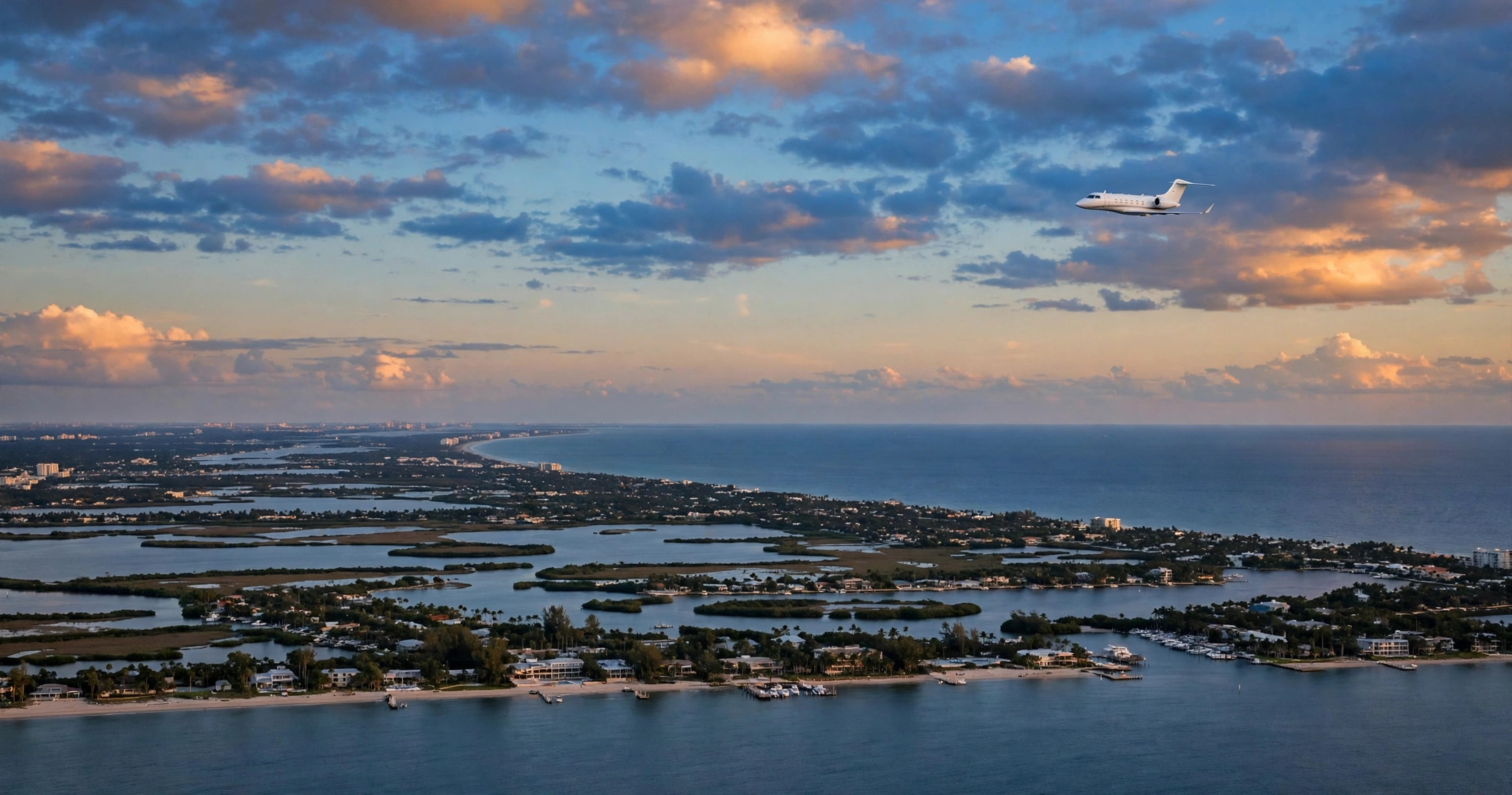
A Learjet 60 crash in Florida caused multiple fatalities, authorities reported, after the private jet plunged from the sky and slammed into a mobile home park in Greenacres, Palm Beach County, on Sunday, 1 November 2026. The Learjet 60, carrying nine people, had been flying from Austin, Texas, to the Bahamas when it entered a sudden, steep descent and crashed into a residential neighbourhood shortly after midday, erupting into a fireball that left a crater and scattered burning wreckage across the area. The US Federal Aviation Administration (FAA) confirmed the aircraft and the nine people on board, and said the FAA and the National Transportation Safety Board (NTSB) would investigate. Palm Beach County Fire Rescue described the scene as a mass casualty incident. All nine people on board were killed, Transportation Secretary Sean Duffy confirmed on Sunday evening, and there were no reports of deaths among people on the ground.
What happened in the Learjet 60 crash
The Learjet 60 took off from Austin-Bergstrom International Airport in Texas on Sunday morning, bound for North Eleuthera Airport in the Bahamas, according to the FAA. The flight was routine until its final minutes, when tracking data showed the jet suddenly leaving its cruising altitude and diving towards the ground. At about 12:50 p.m. local time, the aircraft came down in a residential area near Military Trail and 10th Avenue North, in the Cresthaven area of Greenacres, an unincorporated community near Palm Springs in Palm Beach County.
Witnesses and video from the scene showed the jet in a steep downward trajectory before it struck the ground and exploded. The impact opened a large crater, threw debris across the roadway and set fire to wreckage and at least one mobile home. The aircraft clipped a tree and brought down power lines before hitting the mobile home park, according to local reports. Residents described an extremely loud impact, with one witness saying it sounded like a missile, and the blast was followed by tremors in the ground. Thick black smoke rose over the neighbourhood as firefighters battled the burning wreckage.
Emergency crews closed all lanes of Military Trail between Cresthaven Boulevard and 10th Avenue North, and the Palm Beach County Sheriff’s Office urged motorists to avoid the area. Fire Rescue said the response would be an extended incident, with roads shut until further notice. The crash site is about four miles south of Palm Beach International Airport and roughly six miles from Mar-a-Lago, the resort of President Donald Trump.
Learjet 60 crash flight data: a 27,000-foot fall in about a minute
Flight tracking data published after the crash shows just how sudden the Learjet 60’s descent was. According to Flightradar24, the aircraft was at 35,250 feet at 17:48 UTC, travelling at a groundspeed of 437 knots and still climbing at 1,472 feet per minute. Moments later, tracking showed it at 28,950 feet, its groundspeed up to 505 knots, with a descent rate of nearly 20,000 feet per minute. By 17:49 UTC, its recorded altitude had fallen to 8,750 feet. Data from ADS-B Exchange showed the jet descending about 27,000 feet over the course of one minute before the tracking cut off, a sequence consistent with the videos recorded from the ground.
What caused the abrupt change in the aircraft’s flight path is not yet known. CNN reported that there were scattered storms in the area at the time of the crash and that the plane had passed through a stronger storm cell a few minutes before it began descending, though it is unclear whether the storm contributed to the crash. Weather observations from the West Palm Beach area around the time of the accident indicated overcast skies, rain and lightning, with easterly winds of about 15 mph and gusts approaching 25 mph.
Nine people were on board the Learjet 60
The FAA said nine people, including passengers and crew, were on board the Learjet 60 when it crashed. Transportation Secretary Sean Duffy confirmed on Sunday evening that all nine people on board — passengers and crew — were killed. The identities of those killed had not been released. Officials said there were no reports of deaths or injuries among people on the ground, although about 600 people needed shelter after the crash damaged homes in the area, a county official said.
The aircraft has been identified as a Learjet 60 with registration N722BD. Media reports estimated the jet’s value at about $2 million, although that figure has not been independently confirmed. No people had been transported to area hospitals at the time of the first reports, and officials did not immediately release the names of those on board. The confirmed toll of nine dead makes the crash the second-deadliest in the United States this year, according to National Transportation Safety Board records, after the June skydiving plane crash in Butler, Missouri, which killed 12.
What is a Learjet 60?
The Learjet 60 is a twin-engine business jet used for private and charter aviation, typically carrying up to seven passengers plus a two-person crew, with some configurations seating up to nine in total. The aircraft was developed after the Canadian manufacturer Bombardier acquired Learjet in 1990, and it became a familiar sight on short and medium-haul charter routes in the United States and the Caribbean. The jet that crashed on Sunday was operating as a charter flight between Texas and the Bahamas.
Business jets such as the Learjet 60 are flown by professional crews under the same broad safety rules as other commercial operations, and the type has a long service history. That is one reason the suddenness of this descent has drawn so much attention: the aircraft went from a normal climb to a near-vertical dive in under a minute, a profile investigators will examine closely.
What happens next: the NTSB investigation
The FAA and the NTSB will investigate the crash, with the NTSB in charge of the investigation and responsible for providing all updates, the FAA said. NTSB teams typically secure the wreckage, recover the flight data and cockpit voice recorders if fitted, and gather radar and tracking data, weather records, air traffic control recordings and the aircraft’s maintenance history. Investigators will also interview witnesses and examine the engines and flight controls for signs of mechanical failure.
Transport disaster investigations of this kind are methodical and slow: a preliminary report usually follows within weeks, while a full final report, with a probable cause, can take a year or more. A similar pattern followed the Spain train crash, where the investigation into the collision that killed 69 people near Urda focused on signalling and operating procedures over many months. In Florida, the first questions for investigators are whether weather, a mechanical failure or something else caused the Learjet 60 to leave controlled flight so suddenly, and why it came down in a residential area rather than open ground.
Florida plane crash: the questions investigators must answer
Four questions will shape the Florida plane crash investigation. First, did the storm cell the aircraft flew through minutes before the descent play a role, and was the crew aware of it? Second, was there a mechanical failure — in the engines, the flight controls or the instruments — that made the aircraft uncontrollable? Third, what does the wreckage show about the aircraft’s attitude and speed at impact? And fourth, could anything have been done differently in the final minute, given how fast the situation developed?
For residents of Greenacres, the immediate concern is more practical: roads around Military Trail and 10th Avenue North remain closed, power lines are down, and at least one family has lost a home. The community is a neighbourhood of modular and mobile homes just outside Palm Springs, and the crash has left many residents shaken. Florida has seen severe weather and flooding strain its communities before, as covered in the report on record king tides flooding Florida, but a jet falling into a residential street is a different kind of shock. Until the NTSB publishes its findings, the cause of the Learjet 60 crash remains unknown — and the confirmed death toll remains unconfirmed by officials, a reminder that early casualty reports in fast-moving disasters can change as the facts are established.
Frequently asked questions
What happened in the Learjet 60 crash in Florida?
A Learjet 60 carrying nine people crashed into a mobile home park in Greenacres, Palm Beach County, Florida, at about 12:50 p.m. on Sunday, 1 November 2026. The jet, flying from Austin, Texas, to the Bahamas, entered a steep descent — falling about 27,000 feet in roughly a minute, according to flight tracking data — before striking the ground and erupting into a fireball. The FAA and NTSB are investigating, and the cause is not yet known.
How many people were on board the Learjet 60?
Nine people, including passengers and crew, were on board, according to the FAA. All nine were killed, Transportation Secretary Sean Duffy confirmed on Sunday evening, and officials said there were no reports of deaths or injuries among people on the ground.
Where did the Learjet 60 crash in Florida?
The Learjet 60 crashed in a residential area near Military Trail and 10th Avenue North, in the Cresthaven area of Greenacres, Palm Beach County, about four miles south of Palm Beach International Airport. The jet hit a mobile home park, destroying at least one mobile home and leaving a large crater.
What caused the Learjet 60 to crash?
The cause is not yet known. The NTSB is leading the investigation and will examine the wreckage, flight data, weather records and maintenance history. The aircraft passed through a stronger storm cell minutes before it began descending, but it is unclear whether the storm contributed to the crash.
Who is investigating the Florida plane crash?
The US Federal Aviation Administration and the National Transportation Safety Board are investigating, with the NTSB in charge and responsible for providing all updates. A preliminary report is usually published within weeks, while a full final report can take a year or more.
Sources: CNN; USA Today; The Times; Palm Beach Post; AirDataNews; New York Post; The Sun; Beinsure.