
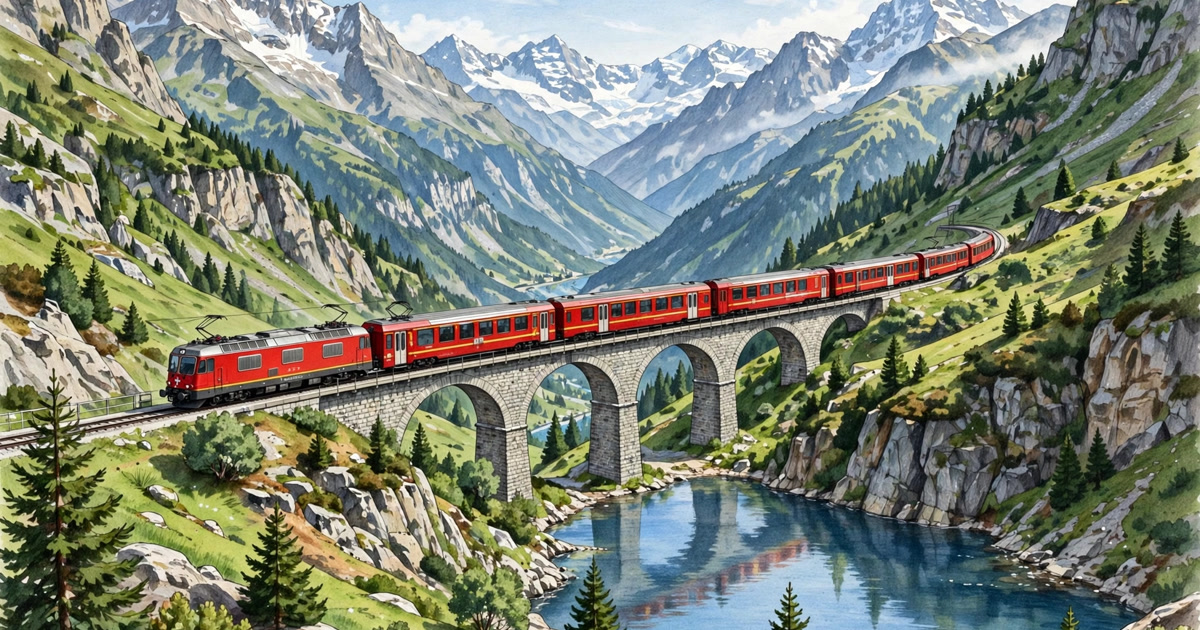
Why SBB Trains and Passes Define Swiss Travel
SBB trains and passes are the backbone of Swiss travel, because Switzerland's rail network is dense, punctual and integrated with buses, boats and mountain railways in a way few countries match. The Swiss Federal Railways, SBB in German, CFF in French and FFS in Italian, run the mainline network, while regional companies operate mountain and local lines, all coordinated through a single timetable and ticketing system. For residents and visitors alike, understanding passes is the difference between paying full fare every trip and travelling Switzerland affordably.
The system is built on clock-face timetables: trains generally leave at the same minutes past the hour all day, connections are timed to meet, and a journey across the country usually involves smooth, short changes. That reliability makes rail the default for commuting, leisure and tourism, and passes reward frequent travellers most. This guide explains the timetable, the main passes, and how to choose between them.
The Swiss Timetable, Tickets and the SBB App
Swiss rail tickets are priced by distance and route, with standard single and return fares, day passes, and supersaver tickets for specific trains booked in advance. The SBB app and website are the essential tools: search connections, buy tickets, check platform information, and view real-time delays, which are rare but clearly communicated when they occur. Tickets can also be bought at stations and from machines, though app purchase is fastest for most travellers.
SBB trains and passes work across the integrated network: a ticket or pass usually covers the train, plus connecting buses, trams and boats on the same journey where included, though mountain railways and cable cars have separate rules and discounts. Always check whether your pass covers a specific mountain line before boarding, since some panoramic and summit railways offer only partial discounts. Keep your ticket or pass accessible for inspection, since conductors check regularly and fines apply for travelling without a valid ticket.
Half Fare Card, Swiss Travel Pass and GA Travelcard
The Half Fare Card, Halbtax in German, gives 50 percent off most trains, buses, boats and many mountain railways for a year, and it pays for itself quickly for anyone travelling regularly in Switzerland. Residents and frequent visitors buy it annually, and it is the default choice for Swiss residents who do not travel daily. Children and young people have their own discounted versions, and family cards allow children to travel free with a parent holding a pass.
The Swiss Travel Pass is designed for visitors: unlimited travel on trains, buses and boats for consecutive days, plus discounts on mountain railways and free entry to many museums. The GA Travelcard, Generalabonnement, offers unlimited travel across almost the entire Swiss public transport network for a year, and is the choice for daily commuters and heavy travellers, despite its higher upfront cost. Compare your expected journeys: occasional travellers suit single tickets, regular travellers suit Half Fare, visitors suit the Travel Pass, and daily commuters suit the GA.
Scenic Routes, Mountain Railways and Reservations
SBB trains and passes also open Switzerland's famous scenic routes: the Glacier Express, Bernina Express and GoldenPass lines cross mountain passes and valleys with panoramic coaches, though some require seat reservations and supplements on top of a pass. Mountain railways to peaks such as Jungfraujoch, Gornergrat and Pilatus offer pass discounts of varying size, so check each line's terms before planning a summit day.
Reservations are generally not required for regular Swiss trains, which operate on a turn-up-and-go basis, but scenic trains, international trains and busy holiday routes benefit from booking. Luggage is easy: stations offer lockers and luggage services, and many hotels accept luggage delivery. For a scenic trip, our guide to travelling on a budget can help you balance pass costs against accommodation and activities, since scenic travel is only part of a Swiss trip's budget.
Choosing the Right Pass and Travelling Well
Choose by counting journeys: list your planned trips, check full fares in the SBB app, and compare the total with Half Fare plus discounted fares, a Travel Pass for the same days, or a GA for a year. Include buses, boats and mountain discounts in the calculation, since passes cover more than trains alone. Families should check family and junior cards, which can make a large difference, and groups should check group and day-pass options.
Travel well by arriving a few minutes early, checking platform changes on departure boards, and keeping connections realistic in mountain areas where weather can affect boats and mountain lines. Swiss stations offer shops, lockers and left-luggage, and most have clear English signage alongside German, French and Italian. With the right pass and the SBB app, SBB trains and passes turn Switzerland into a country best explored by rail, and checking world time zones explained helps international visitors plan arrival connections.
SBB trains and passes: What to Remember
When you put this guide into practice, start with the official sources named above and check them again before acting, since SBB trains and passes rules, schedules and services change over time. In Switzerland, the details that matter most are usually the ones tied to your own situation, your location, your eligibility, and your timing, so compare the general advice here with your specific case before making a decision about transport: SBB trains and passes.
Keep the key documents, links and dates from this guide in one place, revisit SBB trains and passes whenever your plans change, and ask an official adviser or service when a detail is unclear. With that habit, SBB trains and passes becomes a routine you can manage confidently, rather than a topic you have to relearn from scratch each time you need it.
A final practical point is worth repeating: the most reliable information about SBB trains and passes always comes from the official source for your country, region or institution, not from a summary alone, however careful. Summaries help you understand the shape of a topic, but applications, deadlines and eligibility are decided by official rules, so verify the specific rule that applies to you before you act, and keep a copy of what you were told.
Finally, share what you learn where it helps others: a friend, colleague or family member facing the same question about transport: SBB trains and passes in Switzerland will benefit from the same official links and the same habit of checking early. Good information, passed on accurately, is part of what makes SBB trains and passes easier for everyone, and returning to this guide whenever you need a refresher will keep your understanding current as rules and services evolve.