
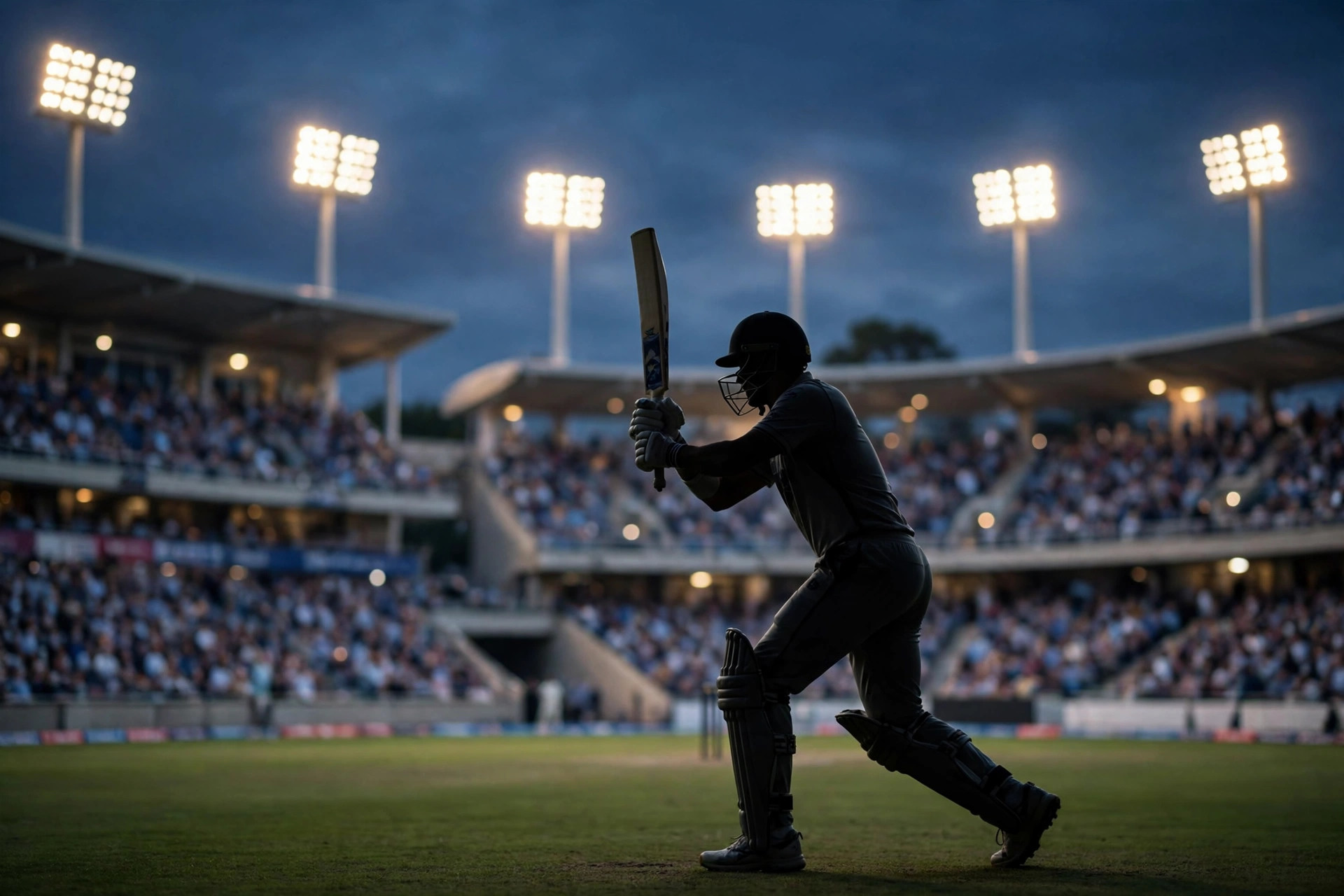
The India vs New Zealand 1st ODI result is in: India beat New Zealand by five wickets under the Duckworth-Lewis-Stern (DLS) method in a rain-hit opening match at Eden Park, Auckland, on 4 November 2026, taking a 1-0 lead in the five-match series. Virat Kohli made 74 off 51 balls, a day before his 38th birthday, and India's young pace attack bowled New Zealand out for 185 to set up a win that was far more comfortable than the late wobble in the chase suggested. For supporters searching for the India vs New Zealand 1st ODI result, the headline is simple: India won, Kohli starred, and the series is theirs to lose.
The match never ran to its original plan. Rain interrupted play more than once, the game was shortened, and the target was revised under the DLS method before India sealed the win with 56 balls to spare. Yet the shape of the contest was decided much earlier, in a first innings in which India's seamers, led by Arshdeep Singh with four wickets, kept New Zealand to a total that always looked below par on a good batting surface. This article explains how the match unfolded, how the DLS target was worked out, what Kohli's innings meant, and what to expect when the series moves to Wellington.
India vs New Zealand 1st ODI Result: The Match in Brief
The India vs New Zealand 1st ODI result was India 143 for 5 in 22.4 overs, beating New Zealand's 185 all out in 40.2 overs by five wickets under the DLS method. India won the toss and chose to bowl, a decision that paid off as the seamers made regular breakthroughs. New Zealand's innings never built real momentum: Tim Seifert top-scored with 38 and Blair Tickner made 34, but nobody else converted a start into a big score, and the hosts were bowled out in 40.2 overs. Arshdeep Singh took 4 for 70, Gurnoor Brar claimed 3 for 44, and Anshul Kamboj took 2 for 22 in a spell of rare control that earned him the Player of the Match award. That collective effort is a big part of why the India vs New Zealand 1st ODI result went India's way.
India's chase began badly. Rohit Sharma was out for a duck in the first over, and the visitors were soon chasing a revised target after rain returned. The match was reduced to 32 overs a side, and India's target was set at 143 under the DLS method. Kohli then took charge, and despite a late cluster of wickets — India lost four wickets for 22 runs near the end — KL Rahul, on 3 not out, and Naman Dhir, on 5 not out, finished the job. Dhir pulled Nathan Smith for the winning boundary, and India reached 143 for 5 in 22.4 overs. Jacob Duffy was the pick of New Zealand's bowlers with 3 for 49.
How Rain and the DLS Method Shaped the Chase
Rain is part of the story of this match, and understanding the DLS method is the key to understanding the India vs New Zealand 1st ODI result. The Duckworth-Lewis-Stern method is the system cricket uses to set a fair target when rain shortens a limited-overs match. It does not simply scale the target down in proportion to the overs lost; instead, it weighs the two resources a batting side has — overs remaining and wickets in hand — and works out what the team batting second should need to chase in the time that is left.
That mattered here because the game changed shape twice. India began chasing 186 in 50 overs, the total New Zealand had posted, before rain cut the match to 32 overs a side and the target was revised to 143. A target of 143 from 32 overs is a much easier equation than 186 from 50, because the batting side needs fewer runs per over and can afford to take fewer risks, but the trade-off is that wickets become more valuable: lose too many early and the equation tightens fast. India's approach reflected that balance. Kohli attacked from the start, the scoring rate stayed well ahead of what was needed, and even the late loss of four wickets for 22 runs could not put the result in doubt, because India finished with 56 balls to spare. For New Zealand, the frustration was that their total of 185, modest in a full 50-over game, became even less competitive once the DLS revision took wickets and overs out of the equation.
Kohli's 74: A Birthday-Eve Masterclass
Virat Kohli's innings was the difference between the sides, and it came a day before his 38th birthday. The veteran batter made 74 off 51 balls, an innings built on timing rather than slogging, with 13 fours and one six. He reached his fifty quickly, kept the scoreboard moving through the middle overs, and made sure the required rate never climbed, even as partners came and went at the other end.
The innings mattered for more than the runs. Kohli walked in with India having just lost Rohit Sharma for a duck in the first over, and with rain threatening to interrupt the chase at any moment. In a shortened game, a slow start can be fatal, because there are fewer overs in which to recover. Kohli solved that problem in the most direct way possible, scoring at a strike rate of about 145 and putting the chase so far ahead of the rate that the later wobble never became a crisis. He was eventually dismissed in the 20th over, caught by Seifert at deep backward square leg off Jacob Duffy, but by then the damage was done and the target was within touching distance. His innings defined the India vs New Zealand 1st ODI result, turning a tricky chase into a comfortable win. For a player approaching his 38th birthday, it was a reminder that his appetite for a chase has not faded, and that in a young side he remains the batter India turns to when a game needs to be closed out.
India's Young Seamers Set Up the Win
If Kohli finished the match, India's seamers won it. With the senior fast bowlers absent, the attack was built around youth, and it delivered a performance of discipline and control. Arshdeep Singh led the way with 4 for 70, taking wickets at important moments and preventing New Zealand from building the partnerships that turn a decent start into a big total. Gurnoor Brar supported him with 3 for 44, and Anshul Kamboj's 2 for 22 in a 10-over spell was the most economical and controlled bowling of the day.
Kamboj's contribution deserved the Player of the Match award. He dismissed New Zealand captain Mitchell Santner for four and then removed Nathan Smith for one, two wickets that cut short any attempt at a late recovery. After the match he credited a disciplined line and length and the effective use of the wobble seam — a delivery that moves unpredictably off the pitch — for his figures, and said he had focused on sticking to his basic plans rather than worrying about how the pitch was behaving. It was a mature answer from a young bowler, and it matched what the scorecard showed: New Zealand were bowled out for 185 in 40.2 overs, with Seifert's 38 and Tickner's 34 the only scores of real substance. On a surface where 185 was never going to be enough, the seamers had done their job before the chase even began.
India vs New Zealand 1st ODI Result: What the Win Means for the Series
The India vs New Zealand 1st ODI result gives India a 1-0 lead in the five-match series, and the manner of the win matters as much as the margin. India won with a young pace attack, without needing a big contribution from their captain, and despite losing their most experienced opener for a duck in the first over. Shubman Gill, the captain, made 37 off 56 balls after winning the toss and choosing to bowl, a steady innings rather than a spectacular one, but his decision at the toss was vindicated by the way the seamers used the conditions. For New Zealand, the concern is that their batting failed to fire at home and their bowlers, Duffy aside, could not defend even a modest total once the DLS revision lowered the target.
Series context matters too. A five-match ODI series is a long contest, and one win does not settle it, but the first match sets the tone. India now have the freedom to play with confidence in Wellington, while New Zealand must win the second match to avoid falling 2-0 behind with three to play. The hosts will also know that their margin for error has shrunk: another batting failure like 185 all out will leave them chasing the series rather than leading it. For readers following the New Zealand cricket picture more broadly, this was a reminder that home advantage counts for little when the batting does not deliver.
What to Watch in Wellington
The second ODI takes place in Wellington on Saturday 7 November, and the questions from Auckland will follow both teams there. Can New Zealand's batters put a bigger total on the board, and can their bowlers find a way past Kohli early? For India, the question is whether the young seamers can repeat their discipline on a different surface, and whether the middle order can avoid the late collapse that briefly made the chase interesting. The early signs favour India: they have the series lead, the in-form batter, and a bowling attack that has just proved itself. But New Zealand at home, with a series to save, are rarely beaten twice in the same way, and Wellington has a habit of producing different conditions from Auckland. Beyond cricket, New Zealand is also in the news for unemployment at 5.7 percent and interest rates held at 2.75 percent. The India vs New Zealand 1st ODI result has set up the series nicely; the second match will show whether it was the start of a comfortable series win or simply a good day that New Zealand can answer.