
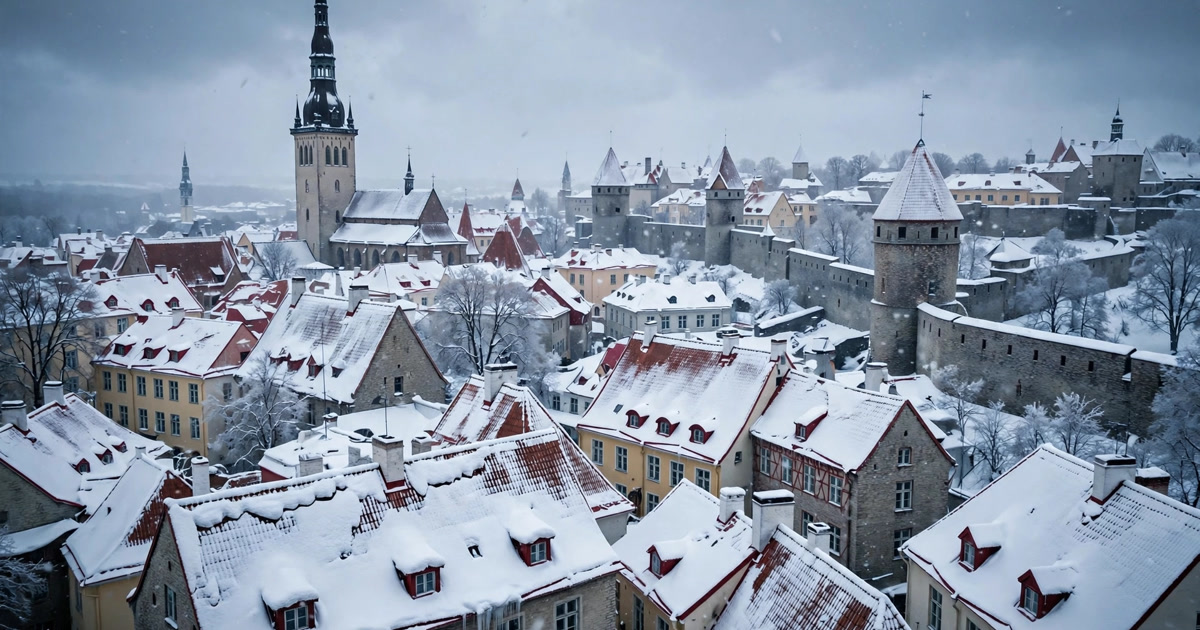
Estonia's northern position brings dramatic seasonal contrasts: long summer days with white nights, colourful autumns, snowy winters and bright springs. An Estonia weather forecast is essential for travel, since daylight, snow and coastal winds shape every season.
This guide explains the Estonia weather forecast: who issues it, what each season brings, how Tallinn, Tartu and the islands differ, and how to plan around northern weather. It is useful for visitors, residents and anyone curious about Baltic climates.
Who Issues the Estonia Weather Forecast
The Estonia weather forecast is issued by the Estonian Weather Service, part of the Environment Agency, which runs stations, radar and models across the mainland and islands. Forecasts cover temperature, wind, precipitation, sea conditions and warnings.
Coastal and island forecasts matter especially, since the Baltic Sea moderates temperatures but brings wind, fog and storms. Check the Estonia weather forecast for your exact location, since Tallinn, Tartu, Saaremaa and Narva can differ sharply.
Winter: Snow, Ice and Darkness
Winter in the Estonia weather forecast means cold, snow and short days, with December daylight under seven hours in Tallinn and temperatures often below freezing. Snow covers the ground for months in many years, and sea ice affects ferries and coastal life.
Winter activities, from cross-country skiing to ice fishing and sauna culture, embrace the cold, but visitors need warm clothing, sturdy boots and flexible plans for storms. A Finland weather forecast guide shows how neighbouring northern forecasts compare, while local service detail remains best.
Spring and White Nights Summer
Spring brings rapid change to the Estonia weather forecast, with melting snow, migratory birds, blossom and lengthening days, though cold snaps persist into May. Summer then delivers white nights, with June daylight near 19 hours, mild temperatures and long evenings.
Summer temperatures typically reach the low twenties, with occasional heat above 30 degrees, and rain showers interspersed with sunshine. White nights transform social life, with outdoor events, festivals and late-evening walks under twilight skies.
Autumn Storms and Changing Light
Autumn in the Estonia weather forecast brings colourful forests, mushroom season, rain and the year's strongest coastal storms, with winds and waves affecting ferries to Saaremaa and Hiiumaa. Daylight shrinks fast, from September's balance to November's gloom.
Autumn suits cultural trips, with museums, concerts and Tallinn's old town quieter than summer, but pack waterproofs and layers. Storm warnings deserve respect, especially for island travel and coastal walks.
Climate Change and Estonia's Weather
Estonia warms with milder winters, shorter snow seasons, wetter autumns and more variable summers, affecting forests, agriculture, sea ice and infrastructure. Understanding climate change helps explain why northern seasons shift, even as winter cold still occurs.
Adaptation includes resilient infrastructure, forest management and winter-tourism diversification, informed by long weather records. For travellers, the Estonia weather forecast remains the practical tool, but its seasonal patterns evolve year by year.
Island Weather: Saaremaa and Hiiumaa
Island weather in Estonia differs from the mainland, with Saaremaa and Hiiumaa experiencing stronger winds, milder winters, cooler summers and ferry-disrupting storms. Island forecasts deserve separate checks before travel.
Saaremaa's spas, windmills and meteorite crater attract visitors year-round, while Hiiumaa's lighthouses and forests suit quiet escapes. Island microclimates reward flexible plans, especially for ferry-dependent itineraries.
Sea Ice and Winter Transport
Sea ice in Estonian winters affects ferries, fishing and coastal communities, with ice roads sometimes opening between the mainland and islands in severe winters. Ice-road driving follows strict rules on speed, distance and vehicle weight.
Ice roads are a unique Estonian experience, but they require official opening announcements and safety checks, since conditions change fast. Travellers should never drive on ice without confirmation that a road is open.
Northern Lights in Estonia
Northern lights appear in Estonia on clear, dark winter nights, especially in northern and island areas away from city lights, though displays are less frequent than in Lapland. Aurora forecasts, dark skies and patience improve chances.
Winter visitors combining aurora hunting with saunas, snow activities and Tallinn's Christmas markets enjoy Estonia's dark season fully. Check aurora forecasts alongside weather forecasts for the best nights.
Weather for Outdoor Activities
Outdoor activities in Estonia, from bog walking to kayaking, cycling and birdwatching, depend on forecasts for rain, wind and temperature. Bog boardwalks, such as Viru Bog, suit all seasons, while kayaking needs wind and water-level awareness.
National parks, including Lahemaa and Soomaa, offer seasonal highlights: spring floods in Soomaa, summer bog flowers, autumn colours and winter snow. Forecast-aware planning turns Estonian nature trips into safe, rewarding experiences.
Estonia Weather Forecast: Daylight Planning
Daylight planning with the Estonia weather forecast matters as much as temperature, since winter days last under seven hours while summer days stretch near nineteen. Plan sightseeing, driving and outdoor activities around available light.
The Estonia weather forecast plus sunrise and sunset times helps visitors schedule efficiently: winter mornings start late, summer evenings run long, and shoulder seasons shift quickly. Light-aware planning improves every Estonian trip.
Estonia Weather Forecast: Packing by Season
Packing for the Estonia weather forecast means winter thermals, waterproof boots and warm coats, spring layers and waterproofs, summer light clothing plus rain gear, and autumn warm, waterproof outfits. Versatile layers suit all seasons.
The Estonia weather forecast packing rule is simple: prepare for wind and rain year-round, add warmth in winter, and carry sun protection in summer. Well-packed visitors enjoy Estonia whatever the forecast brings.
Sauna Culture and Weather
Sauna culture in Estonia turns cold weather into pleasure, with wood-fired, smoke and electric saunas followed by cold plunges, lake dips or snow rolls. Winter sauna evenings are social rituals, combining heat, conversation and recovery from outdoor cold.
Visitors should try public saunas, respect etiquette on nudity, towels and quiet, and combine sauna with swimming or ice activities for a full northern experience. Sauna makes Estonian winters inviting rather than merely endurable.
Estonia's weather rewards preparation and appreciation of light: warm layers in winter, waterproofs in autumn, and long summer evenings to savour. Check forecasts locally and enjoy northern seasons.
Sources: Estonian Weather Service (ilmateenistus); Estonian Environment Agency.