
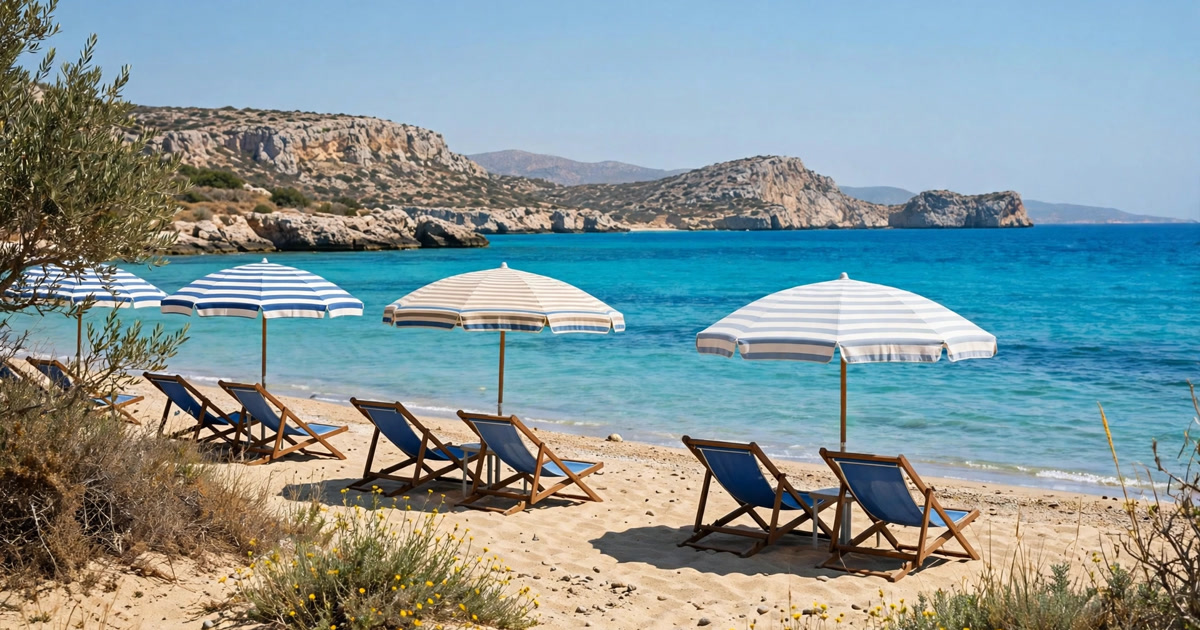
Cyprus has one of the longest, hottest summers in the Mediterranean, with sunshine from May to October and sea temperatures that stay warm into autumn. Cyprus summer weather attracts millions of visitors, but it also brings intense heat, high UV and occasional dust, so understanding the season helps you enjoy it safely.
This guide explains Cyprus summer weather month by month, how heat varies between coast and interior, what to expect from the sea, and how to plan days around the hottest hours. It is useful for holidays, relocation and outdoor work.
Cyprus Summer Weather by Month
Cyprus summer weather builds steadily: May is warm and pleasant, June brings reliable beach weather, July and August are hottest, with coastal highs around 32 degrees and inland temperatures often above 40, and September stays warm with fewer crowds.
October remains suitable for swimming, especially early in the month, while nights cool gradually. The long season means Cyprus summer weather suits shoulder-month travellers who want warmth without peak heat, as well as summer visitors who plan carefully.
Coast Versus Interior in Cyprus Summer Weather
Coastal Cyprus summer weather is moderated by sea breezes, though humidity can make it feel hotter than the thermometer suggests. Inland areas, including Nicosia and the Mesaoria plain, are drier but much hotter, with large day-night temperature swings.
The Troodos Mountains offer a cooler escape, with temperatures several degrees lower than the coast, and mountain villages have long served as summer retreats. Checking forecasts for your exact location matters, since Cyprus summer weather differs sharply across short distances.
Sea Temperatures and Swimming
Sea temperatures are a highlight of Cyprus summer weather, rising from around 21 degrees in May to 27 or 28 degrees in August, and staying warm into October. Calm, clear water suits swimming, snorkelling and diving, with visibility often excellent.
Check beach flags, currents and jellyfish reports, especially on windy days, and protect children with shade, hats and regular water breaks. Warm seas also mean warm evenings, so plan outdoor dining and walks for after sunset when the air cools slightly.
Heat, UV and Dust in Cyprus Summer Weather
Cyprus summer weather brings very high UV levels, so sunscreen, hats, sunglasses and shade are essential, especially for children and fair-skinned visitors. Heat exhaustion risks rise during afternoon peaks, and outdoor workers should follow heat-safety rules with water, rest and shade.
Occasional dust from North Africa can haze the sky and irritate airways, particularly for people with asthma. On dusty days, limit strenuous outdoor activity, keep windows closed, and check air-quality advice alongside the weather forecast.
Planning Around Cyprus Summer Weather
Plan sightseeing for mornings, beach time for late afternoons, and rest during midday heat, a rhythm that matches Cypriot life in summer. Air conditioning is standard in hotels and homes, but carry water, wear light clothing, and never leave children or pets in parked cars.
Understanding wider patterns helps too: climate change explains why Mediterranean summers are intensifying, and an Ireland weather forecast guide shows how Atlantic weather differs from Cyprus's dry, stable summers. With planning, Cyprus summer weather is a pleasure rather than a hazard.
Troodos Mountains as a Summer Escape
The Troodos Mountains offer Cyprus's best summer escape, with pine forests, cooler air, hiking trails and village squares where temperatures run several degrees below the coast. Mountain resorts such as Platres and Kakopetria have long served as retreats from coastal heat.
Summer mountain activities include hiking, cycling, monastery visits and wine tasting, with evenings cool enough for comfortable sleep without air conditioning. A mountain day trip or overnight stay breaks up a beach holiday and shows a different Cyprus.
Humidity, Nights and Sleep in Summer
Warm nights are a defining feature of Cyprus summer weather, with coastal minimum temperatures often above 25 degrees in July and August. Air conditioning, light bedding, evening ventilation and cool showers help sleep, though heat can still disturb rest.
Residents adapt with siesta-like rhythms, lighter evening meals and outdoor living after sunset, when breezes cool terraces and courtyards. Visitors should plan similarly, resting at midday and enjoying evenings, rather than fighting the heat with constant activity.
Summer Storms and Rare Rain
Summer rain in Cyprus is rare but not impossible, usually as brief, localised thunderstorms over the mountains, occasionally bringing dust and gusty winds. Coastal resorts may see a single summer shower in months, and forecasts mentioning isolated storms should not alarm beach plans unduly.
When storms do arrive, they can be intense, with lightning and sudden downpours, so seek shelter, avoid exposed ridges and postpone boat trips. After storms, humidity rises briefly before sunshine returns, a pattern familiar to long-term residents.
Comparing Cyprus with Other Mediterranean Summers
Cyprus summers are hotter and drier than many Mediterranean destinations, with longer sunshine hours and warmer seas than the western Mediterranean. Compared with Greece, Cyprus offers a longer season, while compared with Spain, it offers warmer autumn swimming.
Northern European forecasts show how summers differ there, with more rain and cooler temperatures, highlighting even greater contrast. These comparisons help travellers choose between a guaranteed-hot Cyprus summer and a milder northern holiday.
Cyprus Summer Weather: Packing for the Heat
Packing for a Cypriot summer means light, breathable clothing, swimwear, reef shoes, hats, sunglasses and high-factor sunscreen, plus a light layer for air-conditioned interiors and mountain evenings. A reusable water bottle is essential for every outing.
Footwear matters: sandals for beaches, sturdy shoes for Troodos trails and rocky shores, and comfortable walking shoes for old towns. The season rewards practical packing over fashion, since heat, sun and varied terrain shape every day.
Cyprus Summer Weather: Evening Life and Night Temperatures
Evenings define the enjoyment of a Cypriot summer, with warm nights, outdoor dining, harbour walks and village festivals continuing long after sunset. Restaurants, bars and promenades come alive as temperatures ease, making evenings the social heart of a Cypriot summer.
Night temperatures stay high, so bedrooms need fans or air conditioning for comfortable sleep. Plan late evenings, early mornings and midday rest, and Cyprus summer weather becomes a rhythm to enjoy rather than heat to endure.
Cyprus summer weather rewards early starts, shade at midday and warm-water evenings. Respect the heat, protect against UV, and the island's long summer becomes its greatest attraction.
Sources: Cyprus Department of Meteorology; Cyprus Deputy Ministry of Tourism climate data.