
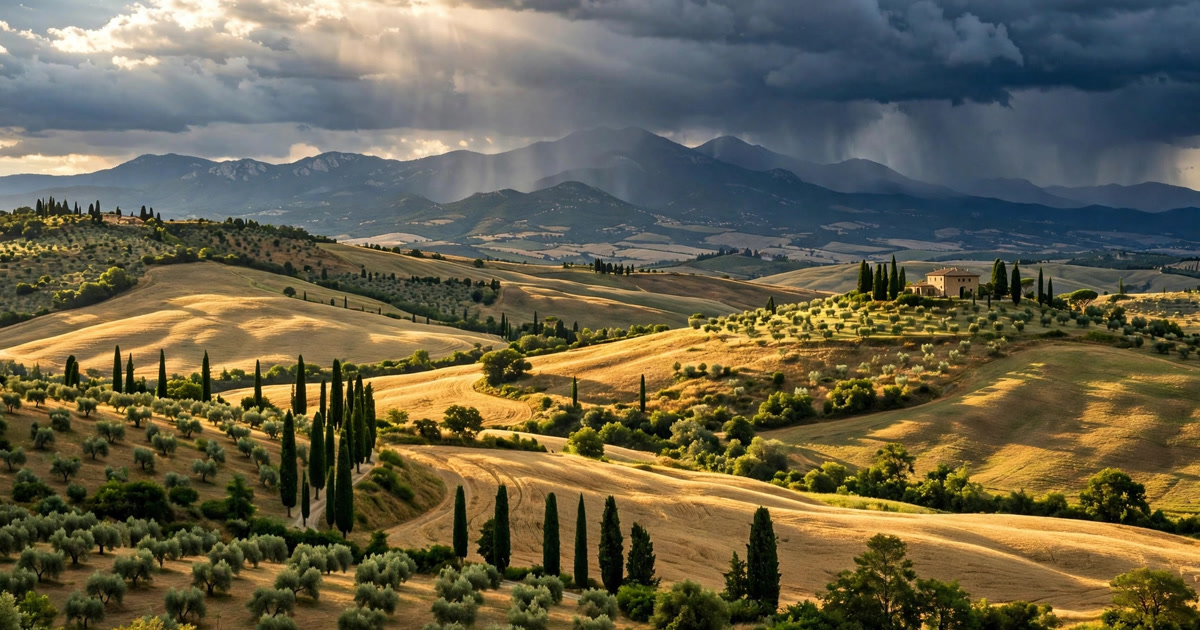
Italy stretches from Alpine peaks to Mediterranean islands, so a single national summary rarely tells you what you need to know. A reliable Italy weather forecast is always read region by region, because the Alps, the Po Valley, the Apennines and Sicily can experience completely different weather on the same day.
This guide explains how the Italy weather forecast works, how to read the colour-coded alerts issued by Civil Protection, and what to expect in each season. Whether you are planning a holiday, a hike or a move, it will help you plan around Italian weather rather than being caught by it.
How the Italy Weather Forecast System Works
The Italy weather forecast comes from several official sources working together. The Air Force meteorological service provides national forecasts, regional ARPA agencies add local detail, and the Department of Civil Protection (Protezione Civile) issues warnings when severe weather threatens.
For daily planning, start with the national Italy weather forecast, then check your region's ARPA bulletin for valleys, coasts and mountain passes. Local forecasts matter because Italy's mountains create microclimates, and a sunny regional outlook can still hide storms in a single valley.
Reading Italy Weather Forecast Alerts: Green, Yellow, Orange, Red
The Italy weather forecast alert system uses four colours. Green means no particular risk, yellow signals localised risk, orange warns of widespread severe weather, and red indicates an emergency-level event with possible flooding, landslides or violent storms.
Alerts are issued per region and per risk type, such as hydraulic risk for rivers, hydrogeological risk for landslides, and storms. When an orange or red Italy weather forecast alert covers your area, follow local authority advice, avoid riverbeds and underpasses, and postpone mountain travel.
Italy Weather Forecast by Season and Region
Northern Italy has cold, foggy winters in the Po Valley and heavy snow in the Alps, while summers bring heat and afternoon thunderstorms. Central Italy is milder, with wet autumns and warm, dry summers, and the south and islands stay warm longest, with intense summer heat and occasional autumn downpours.
The Italy weather forecast also varies by coast. The Adriatic tends to be windier and cooler than the Tyrrhenian, and islands such as Sardinia and Sicily have their own wind patterns, including the hot sirocco from Africa. Always check the forecast for your exact destination, not just the nearest big city.
Using the Italy Weather Forecast for Travel and Outdoors
For travel, check the Italy weather forecast the evening before and again in the morning, since Alpine and coastal conditions change fast. Hikers should check mountain-specific bulletins, carry layers and a waterproof, and turn back if storms build, because lightning above the treeline is a genuine danger.
Drivers should watch for fog in the Po Valley in winter, heavy rain on motorways in autumn, and snow requirements on mountain roads. When planning a longer trip, travel on a budget around shoulder seasons can help, and travel insurance is worth considering for winter mountain travel.
Climate Trends Behind the Italy Weather Forecast
Italy is warming, and the Italy weather forecast increasingly features heatwaves, intense short downpours and longer dry spells. Cities such as Rome, Milan and Florence now record more tropical nights, while Alpine glaciers retreat and southern regions face growing drought pressure.
These trends are part of the wider story of climate change, and they affect practical decisions from choosing travel months to buying property. Understanding the direction of change helps you read a forecast not just as tomorrow's weather, but as part of a shifting climate.
Mountain Weather in the Alps and Apennines
Italy's mountains deserve their own forecast habit. Alpine valleys can trap cold air and fog while peaks sit in sunshine, and the Apennines create sharp contrasts between Adriatic and Tyrrhenian slopes. Snowfall, avalanches and sudden temperature drops are genuine risks for hikers and drivers.
Check mountain bulletins, not just valley forecasts, and carry equipment for conditions worse than predicted. In winter, many Alpine passes close or require snow chains, and in summer, afternoon thunderstorms are a daily pattern that should shape early starts and early descents.
Coastal Weather and Sea Conditions
Coastal Italy adds sea state to the forecast, and swimmers, sailors and fishermen should check wave height, wind and water temperature as well as rain. The mistral can whip up the western coasts, the bora brings cold gusts to Trieste, and the sirocco carries heat and dust from Africa to Sicily.
Beach safety flags, harbour warnings and bathing water reports all sit alongside the weather forecast. Respect red flags, avoid exposed piers during storms, and remember that calm mornings can turn rough by afternoon when thermal winds build along the coast.
Fog, Heat and Urban Weather Risks
The Po Valley's winter fog is one of Italy's most underestimated hazards, cutting visibility on motorways and delaying flights. Drive slowly, use fog lights correctly, and allow extra time on foggy mornings rather than trusting a clear forecast from a distant city.
Summer heat in cities brings a different risk, with high night temperatures stressing older people and outdoor workers. Drink water, seek shade, and check on vulnerable neighbours during heatwaves, since urban heat islands keep cities warmer than surrounding countryside long after sunset.
Planning a Year Around Italian Weather
A practical annual rhythm helps: ski in the Alps from December to March, explore cities in April, May and October, swim from June to September, and enjoy harvest festivals in autumn. Each season has its weather trade-offs, and the forecast simply helps you choose which compromise suits you.
For longer stays, track how your chosen region behaves across a full year rather than judging it by one holiday week. A town that is perfect in May may be foggy in January or scorching in August, and understanding that cycle is the real value of following forecasts over time.
Treat the forecast as a planning tool, not a promise. Check it twice, read the alert colour, know your region's risks, and you will rarely be surprised by Italian weather.
Sources: Protezione Civile; Aeronautica Militare Servizio Meteorologico; ARPA regional agencies.