
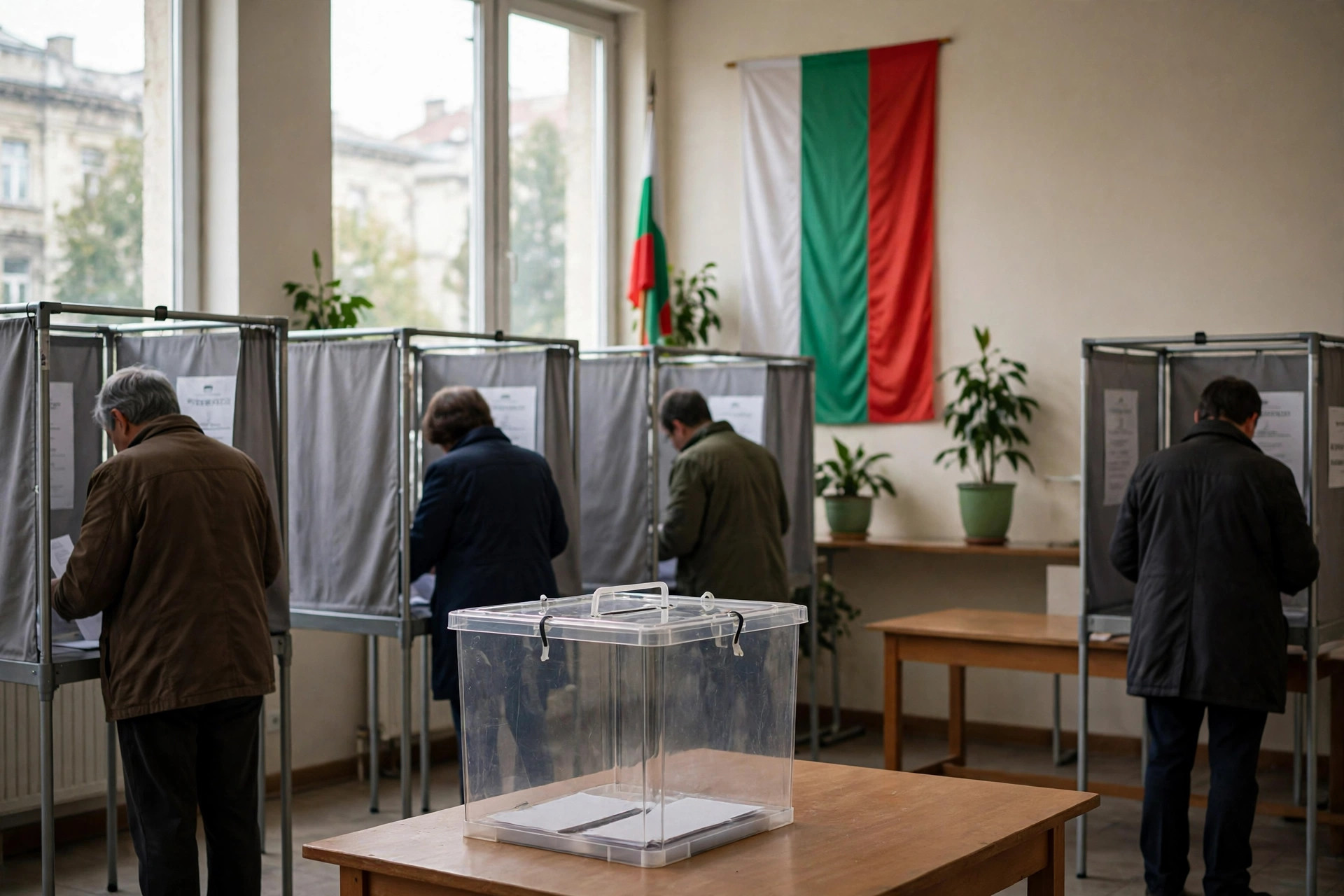
The Bulgaria presidential election results 2026 are now official: Iliana Iotova has won the presidential runoff, becoming the country's first elected female head of state. Official results reported on Monday 2 November gave Iotova 57.6 percent of the votes cast in Sunday's runoff, while her rival, former caretaker prime minister Andrey Gyurov, won 39.5 percent. With 99.95 percent of precinct protocols processed, the Iotova-Valchev ticket had won 57.58 percent of the vote, or about 1.1 million ballots, while Gyurov and his running mate Georgi Kandev received 39.47 percent, or about 749,500 votes. About 2.95 percent of voters chose the "I support no one" option. Gyurov conceded, saying that "this is how the Bulgarian citizens have voted" and that the results had to be accepted as they stood. Iotova is expected to be inaugurated on 22 January 2027 for a five-year term.
Bulgaria Presidential Election Results 2026: The Numbers
The scale of the win surprised even the exit polls. Three exit polls on Sunday night had put Iotova just above half the vote, with one account placing her at 51 percent and Gyurov at about 44 percent, while other projections gave her a range of 50.7 to 52.5 percent. The official count widened the gap to 18 points: 57.6 percent against 39.5 percent. The first round on 25 October had been far closer, with Iotova and her running mate Kiril Valchev leading on 34.6 percent against 32 percent for Gyurov and Kandev — a gap of fewer than three percentage points and about 42,000 votes. A week later, the gap was more than 340,000 votes. Iotova prevailed in 28 of Bulgaria's 31 electoral districts, while Gyurov won just three.
Turnout was low, and that is the other headline number. The runoff drew about 27 to 29 percent of voters, slightly up on a first round that drew about 22.5 percent — the lowest participation in any Bulgarian presidential vote since the end of communist rule. Iotova won with about 1.1 million votes from an electoral roll of 6,637,274 people, roughly one voter in six. The low turnout reflects fatigue after years of political crisis and repeated snap elections, and it means the new president takes office with a decisive share of the votes cast but a narrow share of the electorate. European Commission President Ursula von der Leyen congratulated Iotova and said she looked forward to continuing cooperation on security and defence, competitiveness and energy independence, writing: "For a strong Bulgaria in a strong Europe."
Who Is Iliana Iotova?
Iotova has been acting president since January 2026, when her ally Rumen Radev resigned the presidency to run in a parliamentary election, which he won to become prime minister. She was seeking her own elected mandate, and she now has it. She campaigned on incomes, peace and the challenges ahead, and she likes to call herself the "president of peace". She was backed by Prime Minister Radev's Progressive Bulgaria movement, which won 131 of the 240 seats in parliament in April's parliamentary vote, securing an outright majority — the first single party to manage that since 1997. Keeping both the presidency and the government in the hands of the ruling majority marks a departure from Bulgaria's post-communist history, when the two offices were usually held by rival camps.
Gyurov, a banker and former caretaker prime minister, was backed by the pro-Western opposition, including the We Continue the Change–Democratic Bulgaria alliance and former prime minister Boyko Borissov. The election was fought partly over Bulgaria's relationship with Moscow and the war in Ukraine: Iotova opposed further Bulgarian military assistance to Kyiv and campaigned for negotiations and a diplomatic settlement, while Gyurov's camp took a pro-Western line. The vote was the first major test for Radev's Moscow-friendly Progressive Bulgaria party, and the result strengthens its hold on the country's institutions. The runoff also took place against the backdrop of drone attacks on commercial vessels off Bulgaria's Black Sea coast, with 21 people still missing after the attacks, according to Al Jazeera, although responsibility for the attacks has not been established.
Bulgaria Presidential Election Results 2026: What the Presidency Can Do
The Bulgarian presidency is largely ceremonial, but it is not powerless. The president appoints interim governments, commands the armed forces and can veto legislation, and those powers matter most in a crisis — which is why the office is contested so fiercely. Presidents are elected for a five-year term and can serve no more than two terms. Iotova will take office on 22 January 2027, and her term will run to 2032. Her victory speech, delivered late on 1 November flanked by Prime Minister Radev, said she would work for national consensus by bridging political rifts, a promise that will be tested by the same divisions the election exposed: between a government that wants a negotiated settlement in Ukraine and an opposition that wants closer alignment with the West.
For the European Union, the result is a mixed picture. Von der Leyen's congratulations were warm, but the election of a president who opposed further military assistance to Kyiv, backed by a prime minister who leads a Moscow-friendly party, complicates the EU's unity on Ukraine. For Bulgaria itself, the more immediate question is whether a president and a government from the same camp can govern more effectively than the divided leadership of recent years, or whether the concentration of power will deepen the polarisation that kept turnout so low. Our runoff preview explains how the contest reached the second round, and our reports on Israel's election deadlock and the New Zealand election show how other countries are handling divided electorates.
What Happens Next
Iotova takes office on 22 January 2027, when her five-year term begins. Between now and then, the focus will be on the formation of her administration and on the first tests of her presidency: the appointment of any interim government, the use of the veto, and the stance Bulgaria takes in EU discussions on Ukraine and energy. The low turnout will follow her into office, and her promise to bridge political rifts will be measured against it. For Gyurov and the pro-Western opposition, the defeat is crushing after a first round that suggested a close race, and the question is whether the alliance that backed him holds together. For Bulgaria, the election settles who holds the presidency, but it does not settle the argument over the country's direction — that argument now moves into the presidency itself.