
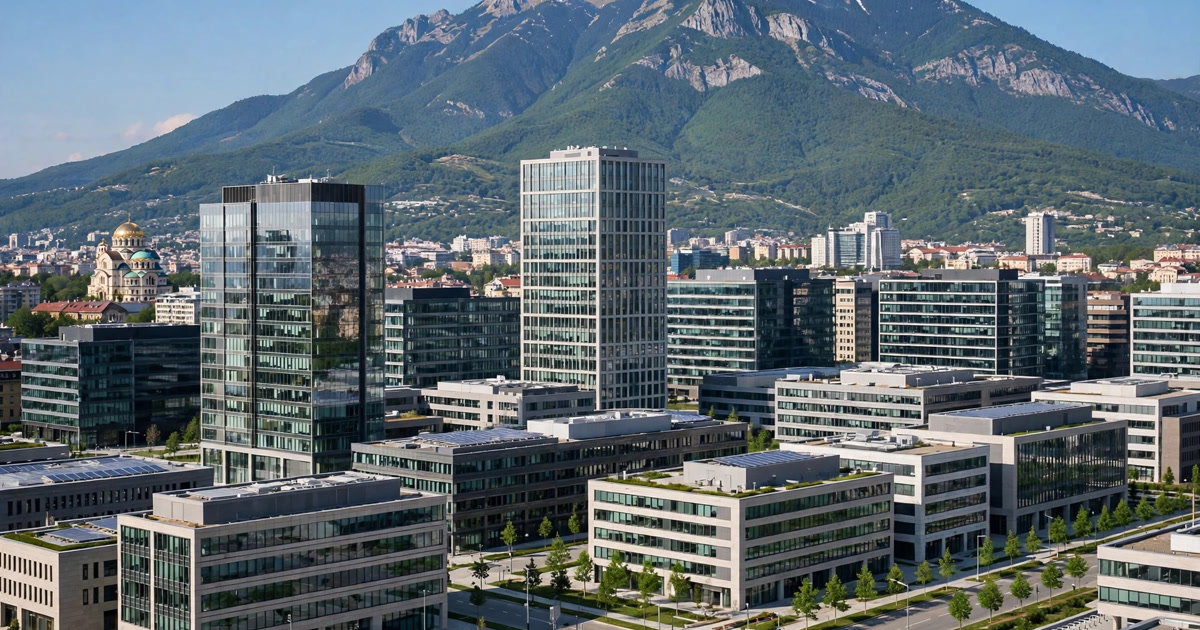
Bulgaria's job market combines IT and outsourcing growth, manufacturing, agriculture and tourism, with Sofia as the dominant hub and Plovdiv, Varna and Burgas adding regional strength. Jobs in Bulgaria suit multilingual professionals, engineers, IT specialists and service workers.
This guide explains jobs in Bulgaria for locals and foreigners: hiring sectors, salaries, language, visas and how to apply. It suits jobseekers considering Southeast Europe as well as those already in Bulgaria.
IT, Outsourcing and Shared Services
Jobs in Bulgaria are led by IT and outsourcing, with Sofia hosting software companies, shared-service centres and call centres serving European clients in multiple languages. Plovdiv and Varna add tech and service growth.
English-speaking roles are plentiful in IT, customer support and finance operations, while German, French, Italian and Spanish speakers command premiums in outsourcing. Technical skills plus languages form the strongest combination for jobs in Bulgaria.
Manufacturing, Agriculture and Tourism
Manufacturing jobs in Bulgaria include automotive components, electronics, food processing, textiles and machinery, with factories around Sofia, Plovdiv, Ruse and Stara Zagora. Agriculture employs workers in grain, vegetables, wine and rose-oil production.
Tourism jobs concentrate on the Black Sea coast and mountain resorts, with seasonal peaks in summer and winter. These sectors suit engineers, technicians, skilled workers and seasonal staff, with varying language needs.
Salaries and Living Costs
Salaries for jobs in Bulgaria are highest in IT, finance and management, middle in manufacturing and outsourcing, and lower in agriculture, retail and hospitality. Sofia salaries and rents both lead, while regional living costs are notably lower.
Bulgaria's low flat income tax and affordable living attract foreigners, though salaries trail western Europe. Compare total packages, including bonuses, health cover, transport and training, rather than headline pay alone.
Language and Visas for Jobs in Bulgaria
Bulgarian language needs for jobs in Bulgaria vary: international firms work in English and other European languages, but Bulgarian helps daily life, promotion and roles with local customers and authorities.
EU citizens work freely, while non-EU citizens need work permits and residence permits tied to employers. Prepare how to write a strong resume in English and Bulgarian where possible, and practise how to prepare for a job interview with examples from your field.
How to Apply for Jobs in Bulgaria
Apply for jobs in Bulgaria through Jobs.bg, LinkedIn, company sites, agencies and EURES, tailoring applications to each employer. Highlight languages, technical skills and relevant experience, and follow up politely.
Networking in Sofia's business community, expat groups and industry events surfaces unadvertised roles. Verify employers, confirm contracts, and be cautious of offers demanding payment.
Sofia Versus Regional Job Markets
Sofia dominates Bulgaria's job market, with IT, outsourcing, finance and headquarters roles, while Plovdiv offers manufacturing and tech growth, Varna adds port, tourism and IT, and Burgas combines port, tourism and refining jobs.
Regional roles offer lower rents and calmer living, but fewer international positions. Choosing between Sofia and regions means weighing career growth, costs and lifestyle together.
Outsourcing Careers in Detail
Outsourcing careers in Bulgaria span customer support, technical support, finance operations and back-office services for European clients, with multilingual skills commanding premiums. German, French, Italian and Spanish speakers are especially valued.
Careers progress from agent roles into team leadership, quality, training and management, with language breadth and process expertise driving promotion. Outsourcing suits graduates and career changers seeking international work environments.
Agriculture and Rose-Oil Jobs
Agriculture jobs in Bulgaria include grain, vegetable, fruit and wine production, plus the famous Rose Valley rose-oil industry around Kazanlak, where seasonal harvesting employs thousands each spring. Rose picking, distillation and tourism combine in the valley.
Agricultural work suits seasonal workers and specialists in agronomy, machinery and food processing, with EU subsidies and export markets shaping demand. Rural jobs offer lower pay but lower living costs and outdoor work.
Self-Employment in Bulgaria
Self-employment in Bulgaria suits IT specialists, designers, translators, consultants and craftspeople, with sole-trader and company options offering simplified administration and low flat tax. Freelancers manage their own benefits and bookkeeping.
Coworking spaces in Sofia and Plovdiv support freelancers with networks, events and clients, while online platforms connect Bulgarian specialists with global work. Many professionals test freelancing part-time before committing fully.
Jobs in Bulgaria: Interview Tips
Interviews for jobs in Bulgaria value preparation, punctuality, honesty and concrete examples, with employers probing skills, languages and teamwork. Research companies, prepare questions, and dress appropriately for the sector.
For jobs in Bulgaria, follow up politely, confirm next steps, and reflect on feedback. Strong interviews combine competence with cultural fit, showing reliability and willingness to learn Bulgarian where needed.
Jobs in Bulgaria: Relocation Checklist
Relocating for jobs in Bulgaria involves housing, registration, health insurance, banking, transport and, for non-EU citizens, permits. Start housing early in Sofia, where competition is strongest, and budget for deposits.
Learn basic Bulgarian before arrival, join expat and professional groups, and keep documents organised. A planned jobs in Bulgaria relocation reduces stress and lets newcomers focus on work and settling in.
Work-Life Balance in Bulgaria
Work-life balance in Bulgaria benefits from regulated hours, annual leave, public holidays and relatively short commutes outside Sofia's peak traffic, plus mountains, Black Sea beaches and countryside for weekends. Employers increasingly offer flexible hours in IT and services.
Family policies, including parental leave and childcare support, help working parents, while affordable services reduce daily pressures. For newcomers, balance and nature access complement salaries as reasons to choose Bulgaria.
Bulgarian Job Fairs and Recruitment Events
Job fairs in Sofia, Plovdiv and Varna connect candidates with IT, outsourcing, manufacturing and tourism employers, offering interviews, CV advice and company presentations in a single day. Students, graduates and experienced professionals all benefit.
Prepare by researching exhibitors, bringing tailored CVs, dressing professionally and following up promptly with contacts made. Recruitment events complement online applications, adding personal impressions and local market insight.
Bulgaria's job market rewards languages, IT skills and targeted applications. Choose Sofia or a regional hub, learn Bulgarian, and build local contacts alongside online applications.
Sources: Bulgarian Ministry of Labour; National Statistical Institute; EURES Bulgaria.