
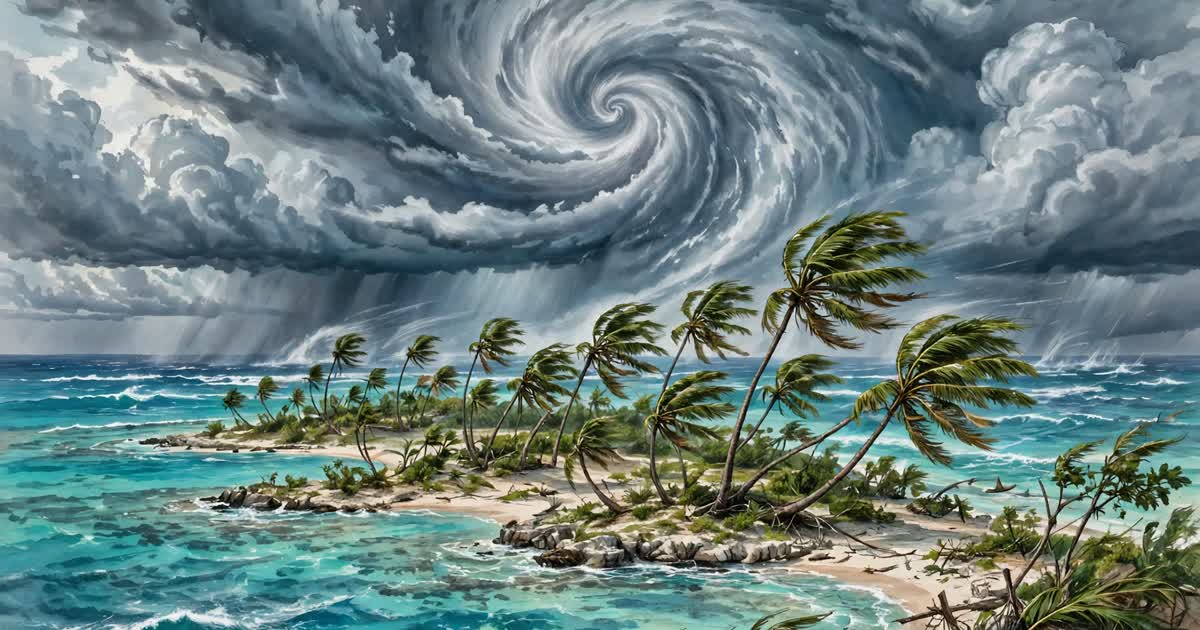
The Bahamas hurricane season runs officially from 1 June to 30 November each year, and it shapes almost every travel decision for the islands. Most days in that window are warm, sunny, and perfectly pleasant, but the risk of a tropical storm or hurricane is real, and it peaks in late summer and early autumn. Understanding the season properly lets you enjoy lower prices without gambling with safety.
This guide explains the Bahamas hurricane season month by month, how forecasts and warnings work, what to do if a storm threatens your trip, and how residents prepare their homes. Whether you are planning a holiday or moving to the islands, the season rewards preparation and punishes complacency in equal measure.
When Is the Bahamas Hurricane Season
The the hurricane season in the Bahamas covers six months, June through November, but risk is far from evenly spread. June and July see relatively few storms, August brings rising activity, and September is historically the peak month for the Bahamas, followed by October. November storms are rarer but still possible, and the season has occasionally produced storms outside its official dates, which is why forecasters watch the tropics year-round.
Geography matters within the the storm season. The northern islands, including Grand Bahama and the Abacos, sit closer to typical storm tracks curving off the Florida coast, while the southern islands often experience different conditions from the same storm. No island is immune, however, and a storm that misses Nassau can still devastate a single Out Island. Always check forecasts for your specific island, not just the country as a whole.
Bahamas Hurricane Season by Month
June opens the Bahamas hurricane season with warm seas, afternoon showers, and low but non-zero storm risk, making it a popular value month. July is hotter and more humid, with occasional tropical waves passing through, though most July days remain beach-friendly. Early-season travellers generally enjoy good weather and lower prices, provided they buy flexible bookings and travel insurance.
August and September form the heart of the Bahamas hurricane season, with the warmest ocean temperatures fuelling the strongest storms. October remains active, especially early in the month, before activity fades in November as cooler air and stronger wind shear weaken developing systems. December through May is the dry, low-risk season, with the most reliable weather and the highest hotel prices, which is the trade-off every Bahamas traveller weighs.
Reading Forecasts During Bahamas Hurricane Season
During the Bahamas hurricane season, the National Hurricane Center is the authoritative source for storm tracks, watches, and warnings, supplemented by the Bahamas Department of Meteorology for local impacts. The forecast cone shows where a storm centre may travel, not the full area of dangerous weather, since rain, wind, and surge extend far beyond the cone edges. Never focus only on the centre line of a track.
Learn the alert levels: a tropical storm watch means conditions are possible within 48 hours, a warning means they are expected within 36 hours, and hurricane watches and warnings follow the same pattern for stronger winds. Local radio, hotel staff, and official government channels carry Bahamian instructions, including evacuation orders for low-lying islands. In the Bahamas hurricane season, official local advice always overrides social media rumours.
Staying Safe in a Bahamas Hurricane
If you are in the Bahamas hurricane season when a storm approaches, act early rather than waiting for certainty. Stock water, non-perishable food, medicines, batteries, and cash, since ATMs and card systems can fail during power outages. Charge phones, fill vehicle fuel tanks, secure outdoor furniture, and board up windows if advised. Know your accommodation evacuation plan and the location of the nearest shelter before the storm arrives.
During the storm, stay indoors away from windows, avoid flooded roads entirely, and never walk or drive through floodwater, which can hide debris and carry dangerous currents. After the storm, watch for downed power lines, contaminated water, and structural damage, and follow official all-clear notices before travelling. Visitors should contact their airline and hotel promptly, since rebooking after a Bahamas hurricane season storm is first-come, first-served.
Travel Insurance for Bahamas Hurricane Season
Travel insurance is not optional during the Bahamas hurricane season; it is the difference between a disrupted trip and a financial loss. Buy a policy that explicitly covers hurricanes and trip interruption, and purchase it before a storm is named, because insurers stop selling storm cover for a storm already on the forecast. Check whether your policy covers mandatory evacuation, missed connections, and extra accommodation nights.
Book flexible fares and refundable hotels when travelling in the Bahamas hurricane season, and keep receipts for every storm-related expense, since insurers require documentation. Credit card travel protections vary widely, so read the fine print rather than assuming cover exists. A slightly more expensive flexible booking often costs less than a single non-refundable trip lost to a storm.
Best Time to Visit Around Bahamas Hurricane Season
The best time to visit the Bahamas depends on what you value most. December to April offers the driest, most reliable weather and the liveliest atmosphere, but also the highest prices and biggest crowds. Late April to early June gives warm seas, thinning crowds, and lower rates with still-modest storm risk, which many experienced travellers consider the sweet spot.
September and October offer the lowest prices of the Bahamas hurricane season, but they carry the highest storm risk and some Out Island businesses close for the season. If you choose these months, buy strong insurance, keep your itinerary flexible, and accept that a storm could change your plans. For most first-time visitors, the shoulder months deliver the best balance of weather, price, and peace of mind.
Residents also prepare their properties well before the season begins, clearing drains, trimming trees near power lines, and checking insurance coverage for storm damage. Community networks matter during outages, with neighbours sharing generators, water, and news when phone networks fail. Schools and businesses rehearse closure procedures, and local shops stock extra supplies ahead of forecast storms. This culture of preparation, built over generations of island living, is why Bahamian communities recover quickly even after serious storms, and why visitors who follow local guidance stay safe.
For related guidance, see Barbados weather and hurricane season guide, Bahamas beaches and resorts guide, Japan weather forecast and typhoon warnings guide.
Sources: National Hurricane Center (nhc.noaa.gov), Bahamas Department of Meteorology, Government of The Bahamas disaster preparedness guidance.