
Hungary's landlocked, continental climate brings hot summers, cold winters and changeable shoulder seasons, with the Great Plain, Budapest and Lake Balaton each behaving differently. A Hungary weather forecast is essential for city breaks, lake holidays and farm planning.
This guide explains the Hungary weather forecast: who issues it, what each season brings, how regions differ, and how to plan around heat, storms and winter cold.
Who Issues the Hungary Weather Forecast
The Hungary weather forecast is issued by OMSZ, the Hungarian Meteorological Service, which runs stations, radar and models across the country. Forecasts cover temperature, wind, precipitation and warnings for storms, heat, frost and snow.
Warnings are issued by county and phenomenon, so check your exact area: Budapest, Balaton, the Great Plain and mountain fringes can differ sharply on the same day. OMSZ apps and media bulletins carry updates through the day.
Summer Heat and Balaton Weather
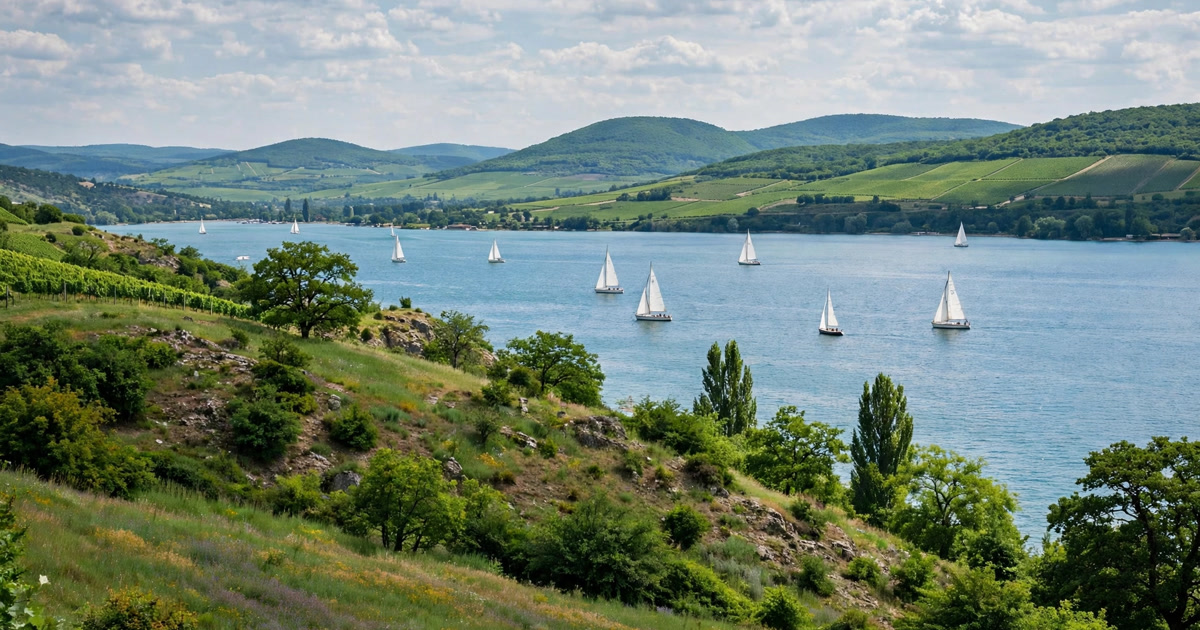
Summer in the Hungary weather forecast means heat, often above 30 degrees on the Great Plain, with Lake Balaton offering swimming, sailing and lakeside holidays from June to August. Balaton water warms through summer, and lakeside towns buzz with festivals.
Summer storms bring heavy rain, lightning and gusty winds, especially in afternoons, so check forecasts before sailing or outdoor events. Heatwaves affect older people and outdoor workers most, making shade, water and rest essential.
Winter Cold and Snow
Winter in the Hungary weather forecast brings cold, fog and snow, with January averages below freezing and the Great Plain seeing sharp frosts. Budapest winters are cold and grey, while mountain fringes near Mátra and Bükk offer limited skiing.
Winter travel needs warm clothing, fog awareness and flexible plans for snow, especially on rural roads. Christmas markets in Budapest thrive despite cold, with mulled wine, crafts and lights warming the season.
Spring, Autumn and Storms
Spring brings blossom, rain and rapid warming, with Balaton and Budapest at their prettiest in April and May, though late frosts threaten vineyards and orchards. Autumn offers harvest festivals, wine regions in Tokaj and Eger, and golden forests.
Storms occur year-round but peak in summer, with convective downpours and hail affecting crops and travel. Understanding climate change helps explain why Hungarian summers feature more intense rainfall events.
Regional Differences and Travel Tips
Hungary's regions differ: the Great Plain is hottest and driest, Transdanubia is milder and hillier, Balaton moderates local weather, and northern mountains are cooler and wetter. Altitude and distance from water drive contrasts.
A Germany weather forecast guide shows how neighbouring forecasts compare, but local OMSZ detail remains best. Check the Hungary weather forecast before travel, pack layers, and keep waterproofs handy year-round.
Balaton Storms and Sailing Safety
Balaton storms arrive fast, with summer thunderstorms, strong winds and waves threatening sailors, swimmers and lakeside events. OMSZ issues Balaton-specific storm warnings, with levels indicating danger for water activities.
Sailors should check Balaton forecasts, heed storm signals, reef early and seek harbour before winds build. Swimmers should leave the water during lightning and follow lifeguard guidance, since lake storms are a genuine safety risk.
Vineyard Weather in Tokaj and Eger
Vineyard weather in Tokaj and Eger shapes wine quality, with spring frosts threatening buds, summer sun ripening grapes, and autumn mists supporting Tokaj's noble rot. Winemakers watch forecasts intensely during harvest.
Wine tourists should check regional forecasts for vineyard visits, since harvest festivals, cellar tours and outdoor tastings depend on weather. Autumn wine trips combine golden vineyards with cellar warmth.
Budapest Heat Islands
Budapest heat islands make central districts warmer than suburbs, especially at night, with concrete, traffic and low vegetation trapping heat. Parks, the Danube and green roofs moderate local temperatures, offering relief during heatwaves.
Residents cope with shade, water, air conditioning and evening outdoor life, while city planners add trees, green spaces and cool surfaces. Understanding heat islands helps visitors choose accommodation and plan hot days.
Winter Fog and Air Quality
Winter fog in Hungary, especially on the Great Plain and in valleys, combines with heating emissions to worsen air quality on calm days. Fog reduces visibility for drivers and delays transport, while smog alerts advise vulnerable groups to limit outdoor exertion.
Air-quality apps complement weather forecasts for winter trips, especially in Budapest and industrial areas. Wind and rain clear pollution, so forecast changes bring relief as well as new weather.
Hungary Weather Forecast: Warning Levels
Hungary weather forecast warnings use levels for storms, heat, frost, snow and floods, issued by county and phenomenon. Yellow signals caution, orange significant risk, and red dangerous conditions requiring action and local authority guidance.
The Hungary weather forecast warning system works best when users check phenomenon, area and timing, not just colour. A yellow frost warning differs greatly from a red storm warning, and understanding levels prevents panic and complacency.
Hungary Weather Forecast: Seasonal Packing
Packing for the Hungary weather forecast means layers year-round, waterproof jackets, sturdy shoes, winter thermals and summer sun protection, adjusted by season. Balaton trips add swimwear and sailing gear, mountain trips add warm layers.
The Hungary weather forecast packing rule is simple: prepare for heat in summer, cold and fog in winter, and changeable conditions in spring and autumn. Well-packed visitors enjoy Hungary whatever the continental weather brings.
Weather and Hungarian Agriculture
Hungarian agriculture depends on forecasts for sowing, frost protection, irrigation, harvest and livestock care, with spring frosts, summer droughts and autumn rains shaping yields for wheat, corn, sunflowers, grapes and vegetables. Farmers use regional forecasts and soil data daily.
Rural visitors notice agricultural rhythms in blossoming orchards, golden grain fields, harvest festivals and wine harvests, which follow forecast-driven farm calendars. Understanding farm weather adds depth to countryside trips across Hungary.
Hungarian Weather Proverbs and Folklore
Hungarian folklore links weather to saints' days, animal behaviour and seasonal sayings, with proverbs predicting frost, rain and harvests from observations passed down generations. While not scientific, folklore reflects centuries of farming weather wisdom.
Seasonal traditions, from spring blossom festivals to autumn harvest celebrations, follow weather rhythms that forecasts now quantify. Folklore adds cultural colour to modern forecasting, connecting Hungarians to their climate heritage.
Hungary's weather is continental and varied, but manageable with layers, water and a regional forecast habit. Enjoy hot Balaton summers, crisp autumns and festive winters.
Sources: Hungarian Meteorological Service (OMSZ); Hungarian Civil Protection.