
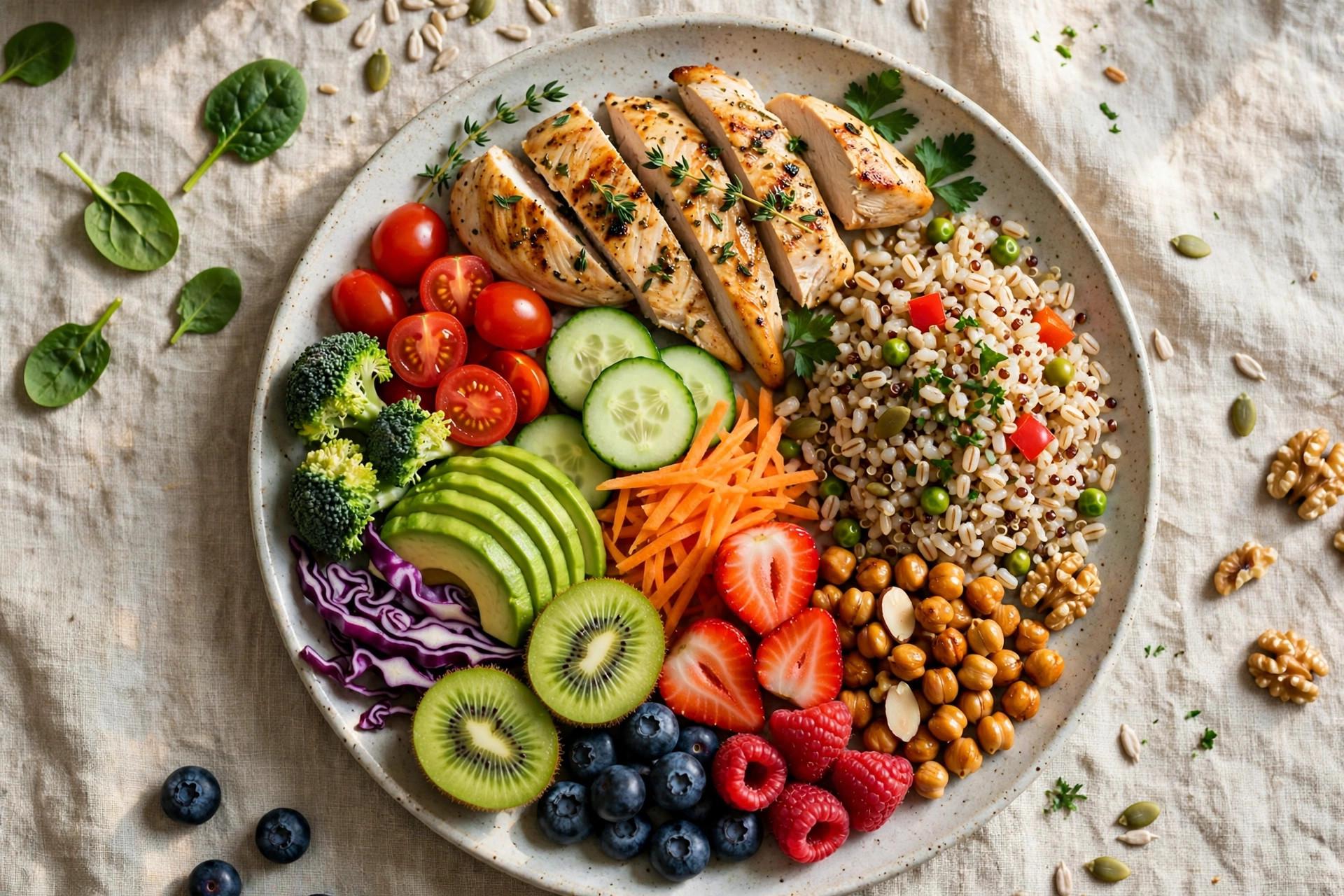
What "Balanced Diet" Actually Means
A balanced diet is simply a way of eating that gives your body everything it needs to function well: enough energy, the right building blocks, and the vitamins and minerals that keep your systems running. It is not a specific diet plan, a set of forbidden foods, or a temporary program. It is a pattern — the overall mix of what you eat across days and weeks.
Getting this pattern right matters enormously. Consistently balanced eating is associated with healthier weight, lower risk of heart disease and type 2 diabetes, stronger bones, better digestion, and steadier energy. Yet many people find nutrition advice confusing, with trends contradicting each other every year. The fundamentals, however, have barely changed in decades — and they are simpler than they sound.
The Six Essential Nutrients
Every food you eat supplies some combination of six essential nutrients. Understanding what each one does helps you build meals that cover all the bases.
Carbohydrates: your main energy source
Carbs are the body's preferred fuel, especially for the brain and muscles. Focus on complex carbohydrates — whole grains (oats, brown rice, quinoa, whole-wheat bread), legumes, vegetables, and fruit — which release energy steadily and come packaged with fiber. Refined carbs (white flour products, sugary drinks, candy) spike blood sugar and provide little nutrition, so treat them as occasional foods rather than staples.
Protein: the building material
Protein provides amino acids used to build and repair muscle, skin, enzymes, and hormones. Good sources include lean meats, fish, eggs, dairy, beans, lentils, tofu, nuts, and seeds. Most adults do well with roughly 0.8–1.2 grams of protein per kilogram of body weight per day, spread across meals so your body can use it steadily.
Fats: essential, not the enemy
Healthy fats support brain function, hormone production, and the absorption of vitamins A, D, E, and K. Prioritize unsaturated fats from olive oil, nuts, seeds, avocados, and fatty fish like salmon and sardines. Limit saturated fats (butter, fatty meats, palm oil) and avoid trans fats found in some processed snacks and margarines.
Vitamins and minerals: the micronutrients
These are needed in small amounts but do outsized work — from iron carrying oxygen in your blood, to calcium and vitamin D maintaining bone strength, to vitamin C supporting immunity. A varied diet rich in vegetables, fruit, whole grains, and protein foods usually covers most needs. Some people — such as those with limited sun exposure, restrictive diets, or certain life stages — may need to pay extra attention to vitamin D, iron, or B12.
Water: the forgotten nutrient
Water carries nutrients, regulates temperature, and keeps every system working. Most adults need roughly 2–3 liters of total fluids daily, more in hot weather or with heavy exercise. Plain water is ideal; unsweetened tea counts too. Sugary drinks are one of the easiest sources of excess calories to cut.
What a Balanced Plate Looks Like
Forget complicated calorie math — the plate method is a simple visual guide endorsed by many public-health bodies:
- Half the plate: vegetables and fruit (aim for variety and color)
- A quarter of the plate: whole grains or starchy vegetables
- A quarter of the plate: protein-rich foods
- On the side: water, and a small amount of healthy fat (olive oil, nuts, avocado)
This template works across cuisines — a stir-fry with brown rice, a lentil soup with whole-grain bread, or a grain bowl with roasted vegetables and chickpeas all fit it. Aim for 4–5 servings of vegetables and fruit daily, and include fiber (25–30 grams per day for most adults) to support digestion and keep you feeling full.
Eating Habits That Make It Stick
Knowing what to eat is only half the battle. These habits make balanced eating sustainable:
- Eat regularly: consistent meal times help regulate appetite hormones and prevent the extreme hunger that leads to overeating.
- Cook more at home: home-cooked meals are typically lower in salt, sugar, and unhealthy fats than restaurant or takeout food — and they cost less.
- Read labels: check the nutrition facts for added sugars, sodium, and saturated fat, especially in sauces, cereals, and packaged snacks.
- Limit ultra-processed foods: foods engineered with long ingredient lists of additives tend to be calorie-dense and easy to overeat. Whole foods keep you satisfied longer.
- Practice portion awareness: serve meals on smaller plates, eat slowly, and pay attention to fullness cues rather than finishing out of habit.
- Limit added sugars and salt: keep added sugars below about 10% of daily calories, and watch sodium — cooking from scratch makes this much easier.
Common Nutrition Myths, Cleared Up
Myth: "Carbs make you fat." Excess calories from any source cause weight gain; whole-grain carbs are part of balanced eating worldwide and support active lifestyles.
Myth: "All fats are bad." Unsaturated fats are essential and may protect heart health. It is trans fats and excessive saturated fat that cause problems.
Myth: "You need supplements if you eat well." Most people eating a varied diet get what they need from food, which also provides fiber and beneficial compounds pills cannot replicate. Supplements have their place for specific deficiencies — ideally guided by a professional.
Myth: "Healthy eating is expensive." Beans, lentils, oats, seasonal produce, eggs, and frozen vegetables are among the cheapest foods available — and they are nutritional powerhouses.
Nutrition for Different Life Stages
Basics stay the same, but needs shift. Children and teenagers need plenty of protein, calcium, and iron for growth. Adults juggling busy schedules benefit from planning ahead so healthy choices are the easy choices. Older adults should emphasize protein (to protect muscle), calcium and vitamin D (for bones), and fiber (for digestion). During pregnancy and breastfeeding, needs for folate, iron, and several other nutrients rise significantly — this is a time to work directly with a healthcare professional rather than following general guidance alone.
How Diet Connects to Sleep and Exercise
Nutrition interacts powerfully with the rest of your lifestyle. Eating well fuels better workouts, and regular movement helps regulate appetite — learn more about the benefits of regular exercise. Sleep matters too: short sleep disrupts the hormones that control hunger, increasing cravings for sugary foods the next day. For the full picture on rest, read our complete guide to better sleep.
For a broader look at everyday wellbeing, browse our Health & Wellness category for more evidence-based guides.
Getting Started: A Simple Action Plan
Do not try to overhaul everything at once. Pick two or three changes and practice them for a few weeks:
- Add one extra serving of vegetables to your main meal.
- Swap sugary drinks for water or unsweetened tea.
- Make half your grains whole grains.
- Include a protein source at every meal.
- Plan three home-cooked dinners per week.
Once these feel automatic, add more. Sustainable progress beats short-lived perfection every time. This article offers general nutrition information for healthy adults — if you have a medical condition, take medication, are pregnant, or are feeding a child, consult a qualified healthcare professional or registered dietitian for personalized advice.