
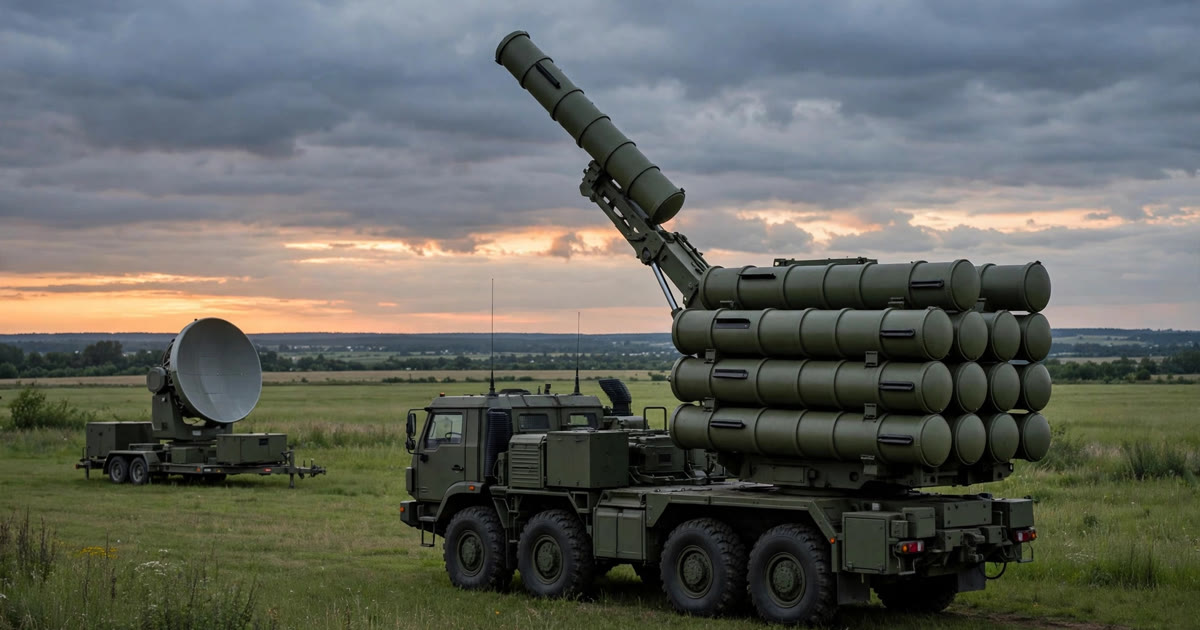
WASHINGTON — The Trump administration has not approved the transfer of Patriot interceptor missiles to Ukraine — including missiles Kyiv and its European allies have already paid for — The Washington Post reported, in the latest and most concrete escalation of a rapidly deepening rift between Washington and Kyiv. The story is trending per news coverage, as the standoff lands at the worst possible moment for Ukraine: Russia is intensifying ballistic missile attacks on Ukrainian cities, and Ukrainian officials say their interceptor stockpiles are nearly exhausted.
The Post reported that US Defense Secretary Pete Hegseth has neither formally rejected nor completed the steps needed to approve transfers of Patriot interceptors from countries that have already acquired the American-made weapons. Under US export agreements, Washington must clear any onward transfer of its weapons to a third country — which means European allies that want to send their own Patriot missiles to Ukraine need American permission first. That permission, according to the report, has not come.
What the Washington Post reported
Citing a US official and three people familiar with the diplomatic exchanges, the Post said the administration has held up the proposed transfers while Russia pounds Ukraine with missiles and drones. The report's most alarming detail: a Ukrainian official told the paper last week that only a couple of interceptor missiles remained in the country's stockpile. CNN separately reported that Kyiv's available Patriot missiles had been exhausted.
The Post added that Hegseth had continued to authorize some other forms of US assistance to Ukraine — the freeze appears to be specific to the interceptor transfers, not a blanket cutoff. That selectivity is part of what makes the episode so fraught: Kyiv reads it as deliberate pressure, while the administration has offered no public explanation for the delay.
The US government has not publicly confirmed Zelensky's figures or explained the reported hold-ups in approving deliveries. The silence leaves a vacuum that both sides' supporters are filling with competing interpretations.
Zelensky's charges: paid-for missiles, 12 a month
President Volodymyr Zelensky leveled the accusations himself in a Bloomberg interview on 18 October. He said Washington has approved only some of the Patriot interceptors Ukraine and its allies purchased through the Prioritized Ukraine Requirements List (PURL) — NATO's mechanism for allies to finance the purchase of US-made weapons for Ukraine. "The American side approved the delivery of only some of them, but not the rest," Zelensky said. "And this is not a technical issue."
The numbers he cited are stark. The United States is now supplying Ukraine with just 12 Patriot interceptor missiles per month — roughly a quarter of the pace under former President Joe Biden, when interceptors arrived as free US military assistance. Under the Trump administration, Kyiv pays for the missiles, with the purchases funded by Ukraine and its European allies. For weapons already paid for to then sit awaiting American approval is, in Kyiv's view, indefensible while missiles fall on Ukrainian cities.
Zelensky also described the pressure he believes is behind the delays. He said American officials want Ukraine to stop striking Russian oil depots and diesel fuel production facilities — attacks that have hit Russia's energy revenues — and he claimed Washington has used restrictions on military assistance to pressure Ukraine into accepting unfavorable terms to end the war. "I believe steps were taken to convince Ukraine to capitulate," he said, while stopping short of claiming that was the administration's stated goal. "I'm not saying that is the goal of our partners. I don't want to think that our American partners believe the war can be ended sooner at Ukraine's expense. But that is how it looks."
He revealed a direct offer he made to Washington: "My latest model was: we don't target Russian diesel, you give us missiles for Patriot systems to protect our facilities. But they just want us to stop attacking diesel," he said. Asked how he would describe efforts to repair the relationship with the United States, Zelensky answered: "I think that when the potential risks for Ukraine are of tsunami proportions, one should intervene while it's still just a mild storm. I believe much more is at stake than the diesel deal."
Why the timing is critical
Patriot systems are Ukraine's most important defense against Russian ballistic missiles, which are among the hardest weapons in Moscow's arsenal to intercept. Other air-defense systems in Ukraine's inventory handle drones and cruise missiles, but only Patriots reliably stop ballistic missiles — and Russia has been firing them at Ukrainian cities in concentrated waves.
Russia launched ballistic missile attacks against Kyiv on consecutive nights, 18 and 19 October, killing at least one person in the first attack and damaging residential buildings, infrastructure and metro stations. The attacks came with little or no warning time, leaving air defenses with narrow windows to engage. Grosswald's defense briefing noted that the Pentagon's hold on allied-paid Patriot rounds meant there was no warning before the first ballistic wave — tying the supply question directly to lives on the ground.
Ukraine is also bracing for what officials call an exceptionally challenging winter. The country is already enduring hours-long blackouts, and its largest cities face potential cutoffs of heating, water and sewage if Russia sustains its campaign against energy infrastructure. Interceptor shortages mean harder decisions about which cities and facilities get protection — and the strain is already eroding public morale.
A rift widening on several fronts
The Patriot dispute is the newest front in a US-Ukraine relationship that has deteriorated sharply in recent weeks. The dispute follows Trump's public accusation that Zelensky is prolonging the war and a furious row over sanctions policy — and it comes alongside Zelensky's claim that a US intelligence blackout left Ukraine blind to incoming Russian missiles for three days. Zelensky's adviser told the BBC that Ukrainians are dying because of restrictions on US intelligence sharing — an allegation the White House denies.
The strain extends to military communications and intelligence support, raising concerns that the shifting American approach could weaken Ukraine's ability to defend itself. Taken together — the feud, the intelligence restrictions, the diesel-strike pressure and now the Patriot hold-up — Kyiv's supporters see a pattern of Washington squeezing Ukraine while easing pressure on Moscow. The administration's defenders counter that the US is rebalancing its own overstretched defense-industrial base: global Patriot supplies are depleted by the Ukraine war and the US war in Iran, and the Pentagon has repeatedly slowed Ukraine shipments over concerns about American stockpiles.
Meanwhile, the diplomatic track continues in parallel. Zelensky said he remains in close contact with Trump's envoys Jared Kushner and Steve Witkoff — who are heading to Norway for Ukraine peace talks — and that they are discussing another meeting, likely later this week. The contrast is striking: peace diplomacy advancing on one track while military lifelines tighten on another.
What happens next
Three questions will decide how this episode ends. First, whether Hegseth signs off on the third-country transfers and the remaining PURL-funded deliveries — a US official pushed back on part of Kyiv's account, calling some of it untrue, but no timeline for approvals has been offered. Second, whether European allies paying through PURL can break the logjam diplomatically, since it is their money stuck in limbo. And third, whether Ukraine can stretch its nearly-empty interceptor stockpiles through the winter if approvals do not come.
Zelensky has tasked his defense and foreign ministers to contact partners on air defense after speaking of "delays in certain types of vital supplies at the level of the US Department of Defense." With Russian missile waves continuing and the cold closing in, Kyiv's window for answers is measured in weeks, not months.
Sources: Washington Post reporting (20 October 2026); Bloomberg interview with Volodymyr Zelensky (18 October 2026); Kyiv Independent (19 October 2026); CNN reporting (October 2026); Defence Blog (19 October 2026); Google Trends 'Trending now' (20 October 2026).