
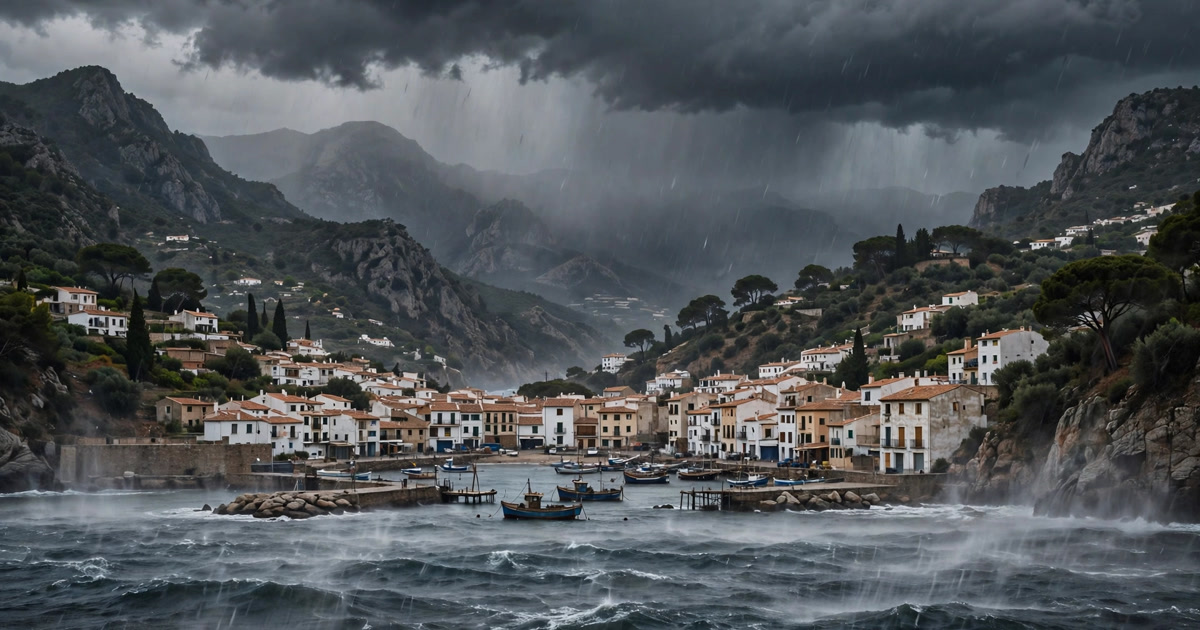
Spain's weather can change from Mediterranean sunshine to torrential rain within a single afternoon, and the country's warning system exists precisely for those fast-moving events. Spain weather alerts, issued by the national meteorological agency AEMET, tell residents and visitors when rain, wind, snow or heat poses a real risk.
This guide explains how Spain weather alerts work, what each colour level means, why some regions flood while others stay dry, and how to use forecasts for travel. If you live in Spain or visit often, understanding this system is a practical safety skill.
Who Issues Spain Weather Alerts
Spain weather alerts are issued by AEMET, the Agencia Estatal de Meteorología, which monitors conditions across the peninsula, the Balearic Islands and the Canary Islands. Civil Protection authorities then translate those warnings into local advice, road closures or emergency measures where needed.
Warnings are published by province and by phenomenon, so a rain warning for Valencia does not automatically apply to neighbouring Alicante. Always check Spain weather alerts for your exact province, and recheck during the day when storms are forecast, because levels can be raised at short notice.
Spain Weather Alerts: Green, Yellow, Orange and Red
Spain weather alerts use four levels. Yellow means a risk that requires attention, orange signals significant risk with possible disruption, and red warns of extreme risk where dangerous, exceptional weather is expected. Green, or no warning, means no particular meteorological risk.
Rain warnings also state expected amounts, such as millimetres per hour or per twelve hours, which matters more than the colour alone. Forty millimetres in an hour on dry ground can flood streets and ravines fast, which is why Spain weather alerts for Mediterranean coastal provinces deserve special attention in autumn.
Why Spain Gets Sudden Heavy Rain
Spain weather alerts peak in autumn on the Mediterranean coast, when warm sea water meets cold air aloft in a pattern linked to the DANA, an isolated high-level depression. The result can be hours of intense rain over a small area, while towns a short drive away stay dry.
Inland, summer storms bring lightning and hail, while the north Atlantic coast sees persistent rain and wind through winter. The Canary Islands have their own microclimates, with rain on northern slopes and sunshine in southern resorts, so Spain weather alerts must always be read island by island.
Using Spain Weather Alerts for Travel
Before travelling, check Spain weather alerts for every province on your route, not just your destination, and build flexibility into driving days during autumn. Avoid parking or walking in dry riverbeds, known as ramblas, which can fill with terrifying speed during flash floods.
For holiday planning, travel on a budget in shoulder seasons often brings better value, but check the seasonal pattern for your region first. When a red warning is active, follow official advice, postpone non-essential travel, and keep phones charged for emergency updates.
Climate Change and Spain Weather Alerts
Spain is warming faster than the global average, and Spain weather alerts increasingly feature extreme heat in summer and intense rainfall events. Warmer air holds more moisture, so when rain does fall it can fall harder, raising flood risk even as average rainfall declines in some regions.
This shift is part of the broader pattern of climate change, and it affects water management, farming and insurance across Spain. Reading warnings carefully is therefore not just a holiday habit but a long-term part of living safely in a changing climate.
Regional Patterns: North, Centre and South
Spain's north Atlantic coast, including Galicia, Asturias and the Basque Country, receives rain through much of the year, with green landscapes and mild temperatures. The central plateau around Madrid has colder winters, hotter summers and sharper daily temperature swings.
The Mediterranean east and the south combine hot summers with autumn downpours, while the Canary Islands stay mild year-round. Reading warnings by region, rather than by country, is therefore essential, since a single national headline can hide completely different local conditions.
Snow, Wind and Heat Warnings
Rain is not the only trigger for warnings. Snow affects mountain roads and inland provinces in winter, strong winds threaten coastal areas and the Strait of Gibraltar, and heat warnings now cover much of the interior in summer, with temperatures regularly exceeding 40 degrees.
Each phenomenon has its own thresholds and advice. Snow warnings may bring road restrictions and school closures, wind warnings affect ferries and outdoor events, and heat warnings call for hydration, shade and checks on vulnerable people. Treat every warning type with the same seriousness as rain.
Flash Floods and Dry Riverbeds
Flash floods are Spain's most dangerous weather hazard, because water can arrive in a dry ravine minutes after rain falls upstream, even where the sky overhead looks clear. Never camp, park or walk in a rambla when rain is forecast anywhere in its catchment.
If you encounter rising water while driving, turn around rather than crossing, since a small depth of fast water can sweep a car away. Flood deaths in Spain overwhelmingly involve people who underestimated water or tried to cross it, and warnings exist precisely to prevent those decisions.
Preparing a Home and a Journey
Householders in flood-prone areas should know their evacuation routes, keep drains clear, store valuables above ground level, and keep a basic emergency kit with documents, medicines, water and a charged phone. Renters should ask landlords about past flooding before signing.
Travellers should share itineraries, download offline maps, and keep fuel, water and phone charge in reserve during warning periods. Small preparations cost little and make a large difference when warnings escalate from yellow to orange or red.
Staying Informed Day to Day
Make checking warnings a daily habit during unsettled periods, using official apps, radio bulletins and local authority channels rather than social-media rumours. Forecasts update through the day, and the most useful information often arrives in the morning bulletin and again in the afternoon.
Share warnings with neighbours, especially older people and newcomers who may not follow Spanish-language sources. Community awareness turns an individual precaution into collective safety, and it ensures that visitors, workers and residents all hear the same advice in time to act on it.
Spain's warning system works well when people use it. Check your province, understand the colour and the rainfall figure, respect red warnings, and never underestimate a dry riverbed in a storm.
Sources: AEMET (Agencia Estatal de Meteorología); Protección Civil España.