
South Africa weight loss recipes start with a simple idea: keep the flavours South Africans love, from braai to bobotie to chakalaka, while adjusting portions, cooking methods and everyday habits so weight loss is sustainable rather than punishing. Crash diets that ban favourite foods rarely last, especially in a food culture built around shared meals, celebrations and street food. This guide to South Africa weight loss recipes offers healthy everyday meals, portion strategies, budget tips and honest advice about weight loss.
Weight loss, at its core, comes from eating slightly fewer calories than you burn over time, while keeping protein, fibre and nutrients adequate to stay full and healthy. That does not require perfect meals or expensive superfoods. It requires consistent, enjoyable meals, regular movement, sleep and patience, because healthy weight loss is usually gradual, around half a kilo per week for many people, rather than dramatic weekly drops. If you have diabetes, heart disease, or other health conditions, or take medication, discuss weight loss plans with a doctor or dietitian first.
South Africa Weight Loss Recipes: Healthy Braai Ideas
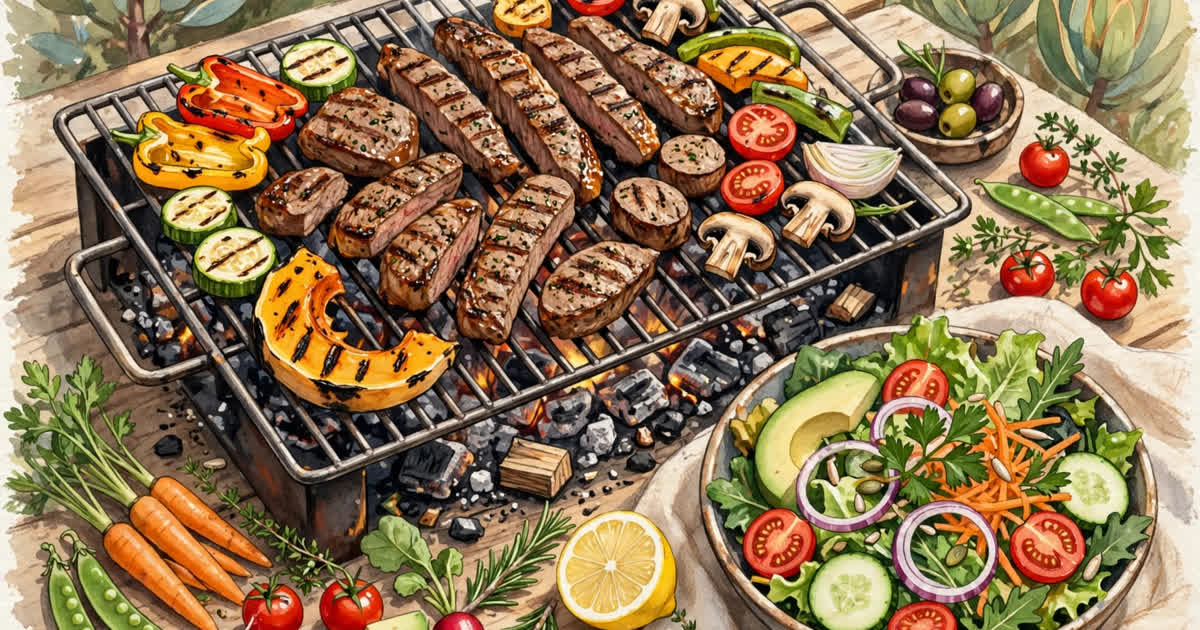
South Africa weight loss recipes for braai keep the social joy while lightening the plate. Choose lean proteins such as skinless chicken, fish, lean steak trimmed of visible fat, or sosaties with vegetables, rather than fatty boerewors and lamb chops at every braai. Grill vegetables such as mielies, butternut, mushrooms, peppers and onions alongside meat, because they add volume, fibre and flavour for few calories. Use marinades based on lemon, herbs, garlic, chilli and a little oil instead of sugary sauces, and serve salads, roosterkoek in moderation, and grilled sweet potato instead of large portions of pap with rich gravy at every meal.
Portion strategy matters at braais: fill half the plate with vegetables and salad first, a quarter with lean protein, and a quarter with starch, then enjoy seconds of salad rather than meat. Drink water, rooibos or light drinks alongside alcohol, because alcoholic drinks add calories quickly and increase appetite. A braai can absolutely fit South Africa weight loss recipes, provided the balance shifts toward vegetables and lean protein and portions stay mindful, rather than treating the braai as an all-you-can-eat event.
South Africa Weight Loss Recipes: Bobotie, Pap and Everyday Twists
South Africa weight loss recipes for everyday dishes use smart swaps. Bobotie, traditionally minced meat with curry spices and an egg custard topping, can be lightened with lean mince or half lentils, extra onions, carrots and raisins in moderation, and a topping of eggs with low-fat milk. Serve bobotie with yellow rice in a measured portion, plus a large salad and chutney in small amounts, rather than doubling starch portions. Pap, a maize staple, is filling and affordable, but portion size matters: a fist-sized portion with vegetables and lean protein is very different from a heaped plate with fatty stew and gravy.
Chakalaka, with beans, carrots, peppers and onions, is naturally fibre-rich and suits weight loss when oil and sugar are kept modest. Samp and beans, another traditional favourite, offer protein and fibre that keep you full, especially when served with vegetables and lean meat rather than fatty offcuts alone. For breakfast, oats with fruit, eggs with vegetables, or yoghurt with fruit beat sugary cereals and pastries for satiety. The principle across South Africa weight loss recipes is not to abandon traditional foods, but to adjust ratios: more vegetables, adequate protein, measured starch, and flavour from herbs and spices.
South Africa Weight Loss Recipes: Budget Shopping and Meal Planning
South Africa weight loss recipes on a budget rely on seasonal produce, legumes, eggs and frozen vegetables, which are nutritious and affordable. Buy vegetables in season from markets, choose dried beans, lentils and samp in bulk, and use chicken, eggs, tinned fish in water, and lean mince as protein anchors. Frozen vegetables retain nutrients and reduce waste, while fresh herbs, spices, lemon and vinegar add flavour without calories or cost. Avoid spending the budget on sugary drinks, crisps, pastries and takeaways, which are expensive per calorie and low in nutrients.
Meal planning prevents impulse eating: plan five dinners, shop once with a list, and prep vegetables, grains and proteins in batches for busy days. Keep healthy snacks ready, such as fruit, yoghurt, nuts in small portions, or vegetable sticks with hummus, so hunger does not lead to vending machine choices. Cook double portions of stews and soups for lunches, and freeze extras for weeks when cooking feels hard. Budget weight loss is not about buying diet products; it is about cooking simple, balanced meals from affordable staples consistently.
South Africa Weight Loss Recipes: Vegetarian and Everyday Questions
South Africa weight loss recipes for vegetarians centre on beans, lentils, chickpeas, tofu, eggs, dairy where eaten, and a variety of vegetables and whole grains. A vegetarian plate should still include protein at each meal to stay full, such as lentil curry with brown rice, bean tacos with salad, or vegetable stir-fry with tofu and noodles in measured portions. Iron, vitamin B12 and calcium need attention in vegetarian and vegan diets, so include fortified foods, leafy greens, nuts, seeds and, where needed, supplements on professional advice.
Everyday questions about South Africa weight loss recipes often concern sugar, bread, fruit and fasting. Sugar in drinks is a major source of extra calories, so replacing sugary drinks with water, rooibos or sparkling water helps greatly. Bread is not forbidden, but portion and type matter: wholewheat bread with protein and vegetables fills more than white bread with jam alone. Fruit is nutritious and, in normal portions, supports weight loss through fibre and volume, despite natural sugars. Intermittent fasting suits some people but not others, especially those with medical conditions, so choose an eating pattern you can sustain and discuss it with a professional if unsure.
South Africa Weight Loss Recipes: Movement, Sleep and Habits
South Africa weight loss recipes work best alongside movement, sleep and habit changes. Walking, the most accessible exercise, can be built into daily life through walking to shops, taking stairs, or evening walks with family, aiming for regular activity rather than intense bursts that lead to injury. Strength activities, such as bodyweight exercises, resistance bands or gym sessions twice a week, preserve muscle during weight loss, which helps metabolism and everyday strength. Start gradually, especially if inactive, and increase duration and intensity slowly.
Sleep affects hunger hormones, cravings and energy, so short, irregular sleep undermines even good meals. Aim for consistent sleep times, limit screens and heavy meals before bed, and keep bedrooms dark and cool where possible. Stress eating is common, so plan coping strategies beyond food, such as walking, calling a friend, or a brief break, for stressful moments. Tracking food for a few weeks, through a notebook or app, often reveals patterns such as large evening portions or sugary drinks that are easy to change once seen.
South Africa Weight Loss Recipes: A Sustainable Week Plan
A sustainable South Africa weight loss recipes week might include: Monday lentil and vegetable curry with brown rice; Tuesday grilled chicken, sweet potato and salad; Wednesday fish, samp and beans with vegetables; Thursday bobotie lightened with lentils, yellow rice and salad; Friday braai with lean sosaties, grilled vegetables and salad; Saturday vegetable soup with wholewheat bread and fruit; Sunday roast chicken with butternut, green beans and a measured portion of pap or rice. Adjust portions to your needs, swap proteins for vegetarian options where preferred, and keep one flexible meal for celebrations or eating out.
Sustainable weight loss is not perfection but consistency: most meals balanced, movement regular, sleep adequate, and setbacks handled without giving up. Weigh weekly rather than daily, track waist and energy as well as scale weight, and celebrate non-scale wins such as better sleep, more energy and looser clothes. With South Africa weight loss recipes that keep flavour and culture, healthy eating becomes a lifestyle, not a short diet. For related health guidance, see what a balanced diet means, a complete guide to better sleep, and strength training for beginners.