
Poland's continental climate brings four distinct seasons, from snowy winters to warm, stormy summers, and the forecast matters for travel, farming and daily life. A Poland weather forecast must be read regionally, because the Baltic coast, the Mazurian lakes, the southern mountains and the eastern plains behave differently.
This guide explains how the Poland weather forecast works, who issues it, what each season brings, and how to plan around snow, storms and heat. It is useful for visitors, residents and anyone considering a move to Poland.
Who Issues the Poland Weather Forecast
The Poland weather forecast is issued by IMGW-PIB, the Institute of Meteorology and Water Management, which runs weather stations, radar and forecasting across the country. Its warnings cover snow, frost, storms, heavy rain, heat and wind, with levels indicating severity.
Regional detail matters: IMGW publishes voivodeship-level forecasts and warnings, so check your exact region rather than a national summary. Local radio, apps and the IMGW site all carry updates, and warnings can change quickly during storm events.
Poland Weather Forecast in Winter
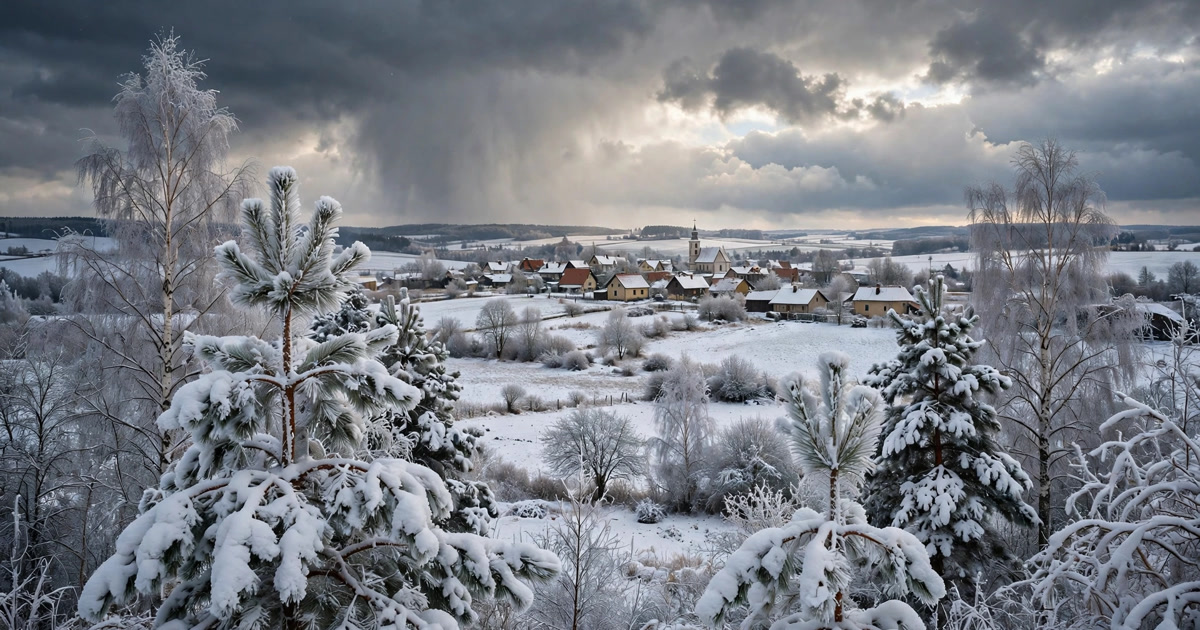
Winter in the Poland weather forecast brings cold, snow and ice, with January averages well below freezing in the east and mountains, and milder, wetter conditions on the Baltic coast. Snowfall varies year to year, but southern mountains reliably offer skiing from December to March.
Winter travel needs preparation: snow tyres or chains in mountains, warm clothing, and flexible plans when storms close roads. Cities cope well with snow, but rural roads and mountain passes can become difficult, so check the Poland weather forecast before winter journeys.
Spring and Autumn in Poland
Spring in Poland brings rapid change, with warm days, cold nights, rain and occasional late snow, while trees and fields green quickly. Autumn is often the most pleasant season for city visits, with crisp air, colourful forests and fewer tourists, though rain increases.
Both shoulder seasons suit walking, cycling and sightseeing, but pack layers and waterproofs, since the Poland weather forecast can shift within a day. Farmers watch spring frosts and autumn rains closely, as both affect crops and harvests.
Summer Storms and Heat in Poland
Summer in the Poland weather forecast means warm days, often above 25 degrees, with afternoon thunderstorms that can bring heavy rain, hail and strong winds. Heatwaves occur, especially in the south and centre, though nights usually cool enough for comfortable sleep.
Storm safety matters: seek shelter during lightning, avoid trees and open water, and never drive through flooded roads. Understanding climate change helps explain why Polish summers feature more intense downpours, even as total rainfall patterns shift.
Regional Differences in Poland's Weather
Poland's regions differ clearly: the Baltic coast is milder and windier, the Mazurian lake district is cooler and wetter, the southern mountains are colder and snowier, and the eastern plains see the coldest winters and hottest summers. Altitude and distance from the sea drive these contrasts.
A Germany weather forecast guide shows how western neighbours share Poland's changeable patterns, while local knowledge still matters most. For any trip, check the Poland weather forecast for your exact destination and recheck before outdoor activities.
Floods and River Warnings
Poland's rivers, especially the Vistula and Oder, flood after heavy rain and snowmelt, and IMGW issues hydrological warnings alongside weather warnings. Flood risk is highest in spring and after summer downpours, particularly in southern catchments.
Residents in flood-prone areas should know evacuation routes, keep documents and valuables accessible, and follow local authority advice. Travellers should avoid flooded roads, since water depth and currents are hard to judge and vehicles stall quickly.
Agriculture and Weather
Polish farmers watch forecasts closely for frost, drought, hail and harvest rain, since weather shapes yields for cereals, potatoes, fruit and vegetables. Spring frosts damage blossom, summer hail damages crops, and autumn rain delays harvests.
Agricultural forecasts, soil moisture data and long-range outlooks help farmers plan sowing, spraying and harvesting. For rural visitors, farm weather also explains seasonal landscapes, from blossom season to golden harvest fields.
City Weather: Warsaw, Kraków and Gdańsk
Warsaw's weather is continental, with hot summers, cold winters and urban heat effects, while Kraków's valley location traps smog and fog in winter, worsening air quality on calm days. Gdańsk's Baltic climate is milder, windier and wetter.
City visitors should check local forecasts, since smog alerts in Kraków, coastal winds in Gdańsk and heat in Warsaw all affect comfort. Air-quality apps complement weather forecasts for city trips, especially in winter.
Climate Change in Poland
Poland is warming, with milder winters, hotter summers and more intense rainfall events, affecting agriculture, rivers, forests and cities. Snow seasons shorten in lowlands, while mountain snow remains more reliable, shifting ski and tourism patterns.
Adaptation includes flood defences, urban greening, drought planning and heat-health measures, all informed by IMGW climate data. Understanding long-term change helps residents and visitors interpret daily forecasts in a wider context.
Poland Weather Forecast: Warning Levels Explained
Poland weather forecast warnings use levels that combine likelihood and impact, from yellow advisories to orange and red alerts for severe events. Red warnings mean dangerous weather is expected, with advice to avoid travel and follow emergency guidance.
Check what each Poland weather forecast warning covers: phenomenon, area, timing and expected amounts. A yellow snow warning differs greatly from a red storm warning, and understanding levels prevents both panic and dangerous complacency.
Poland Weather Forecast: Apps and Alerts
Poland weather forecast apps from IMGW, media outlets and phone systems deliver warnings to your device, and enabling location alerts ensures relevant warnings arrive even while travelling. Radio and TV bulletins remain reliable backups during storms.
Customise alerts by region and phenomenon, so mountain snow warnings do not overwhelm city users, and vice versa. A well-set Poland weather forecast alert system informs without alarming, supporting calm, timely decisions.
Poland's weather rewards preparation: layers, waterproofs, winter tyres when needed, and a habit of checking the regional forecast. With those basics, all four seasons are enjoyable.
Sources: IMGW-PIB (Institute of Meteorology and Water Management); Polish Civil Protection.