
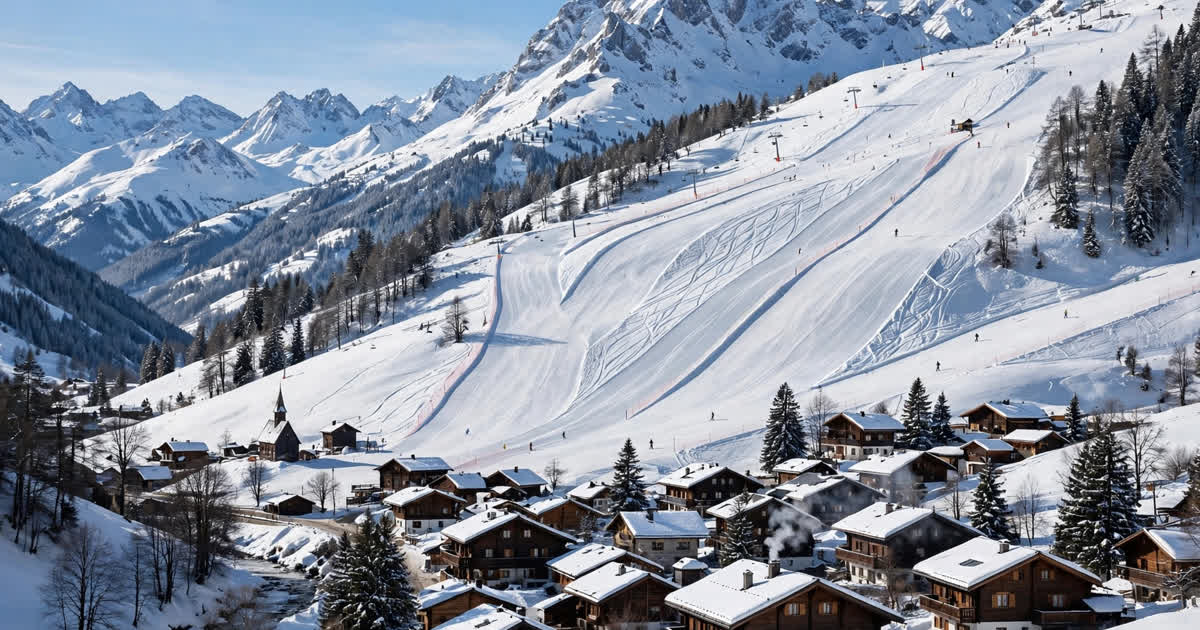
Why Austria Skiing Resorts Lead the Alps
Austria skiing resorts have a reputation that rests on three things: scale, variety and atmosphere. The country packs more than 400 ski areas into its Alpine provinces, from tiny village lifts to vast linked domains, and its ski culture blends serious sport with gemütlich mountain huts, hearty food and après-ski that ranges from quiet cafés to lively bars. For many skiers, Austria is the default Alpine choice because it offers reliable infrastructure, English-friendly ski schools and resorts for every level without the prices of the most exclusive Swiss or French addresses.
The great linked areas define the top end. Ski Amadé joins five regions and hundreds of kilometres of piste on one pass. The Arlberg, around St Anton, Lech and Zürs, is legendary for challenging terrain and deep-snow history. The Zillertal, Kitzbühel and Sölden each offer distinct characters, from glacier reliability to World Cup heritage. Understanding these areas, rather than picking a village at random, is the first step to a good Austria skiing holiday.
Choosing Among Austria Skiing Resorts by Level
Beginners should prioritise gentle terrain, uncrowded nursery slopes and a strong ski school over piste kilometres. Resorts such as Ellmau, Filzmoos and the quieter sectors of Ski Amadé are kind to first-timers, with wide blues and patient instruction. Intermediates, the largest group, get the best value from mid-sized and large linked areas, where long cruising reds and mountain restaurants make the day. Experts should look to the Arlberg, Sölden's glaciers and Ischgl for steeps, moguls and guided off-piste.
Families need a different checklist: childcare, ski kindergartens, family accommodation near the lifts, and non-ski activities for rest days. Many Austria skiing resorts excel here, with children's areas, toboggan runs and indoor pools. Snowboarders should check for parks and freeride zones, while cross-country skiers will find groomed trail networks in valleys such as Seefeld, a former Olympic venue. Match the resort to the weakest skier in your group, not the strongest, and everyone enjoys the week more.
Austria Ski Passes Explained
Austria ski passes look complicated but follow a simple logic: you pay for days and for area. A local pass covers one resort, while a regional pass covers a linked domain such as Ski Amadé or the Arlberg, and the price difference is usually worth it if you plan to explore. Multi-day passes cost less per day than single days, and early-booking and family discounts can cut the total significantly. Children under a certain age often ski free, and seniors and students may qualify for reduced rates, so check age thresholds before buying.
Buy online in advance where possible to skip ticket-office queues, and keep the pass safe: replacement fees apply for lost cards. Some passes include extras such as night skiing, glacier access or summer mountain lifts, so read what is included rather than assuming. If your group splits by ability, a linked-area pass still makes sense, since everyone meets for lunch even if they ski different sectors. Budgeting the whole trip, not just the pass, is easier with our guide to travelling on a budget, which covers transport and accommodation savings.
Snow Conditions and Snow Reliability in Austria
Snow reliability is the question every Austria skiing holiday hinges on, and altitude is the honest answer. High resorts above 1,500 metres, glacier resorts such as Sölden, Hintertux and Kaprun, and north-facing areas hold snow best. Obertauern, a high bowl without a glacier, is famously snow-sure from November to May. Lower resorts can be excellent in a good winter but depend on cold snaps and snowmaking, and they suffer first in warm spells.
Judge snow before booking by checking average snow depth, the resort's altitude range, and the share of pistes with snowmaking, not just marketing photos. During the trip, check resort snow reports for new snow, groomed piste kilometres and open lifts each morning. Spring skiers should favour high and glacier areas and expect softer afternoon snow, while early-season skiers should book high resorts or glaciers for the best cover. Austria skiing resorts with strong snowmaking can open early and stay open late, but natural snow still makes the best skiing.
Planning an Austria Skiing Holiday Step by Step
Plan in this order and the trip almost plans itself. First, choose your group and level, then your resort and linked area. Second, book accommodation near the lifts or with a ski bus, since a long walk in ski boots ruins mornings. Third, arrange rental equipment in advance, especially for children, and book lessons before arrival, since good instructors sell out in peak weeks. Fourth, sort insurance that covers winter sports and mountain rescue, and check what it excludes for off-piste skiing.
Fifth, plan travel: fly to Innsbruck, Salzburg, Munich or Zurich depending on your resort, then transfer by train, bus or hire car. Austrian trains serve many resorts well, and ski buses connect stations to villages. Pack layers, sunscreen and lip protection, since Alpine sun on snow is intense, and carry a small backpack for water and snacks. For insurance details, travel insurance explained covers the winter-sports clauses to check.
Safety, Après-Ski and Getting More from Austria Skiing Resorts
Safety on Austrian pistes starts with the basics: a helmet for everyone, piste rules that give priority to the skier below, and speed control on crowded blues. Off-piste skiing demands avalanche training, transceiver, shovel and probe, and a guide for unfamiliar terrain, plus a daily check of the avalanche bulletin. Alcohol and skiing mix badly, however tempting the mountain hut, so save serious après-ski for after the last run.
Beyond skiing, Austria skiing resorts offer tobogganing, winter hiking, ice skating, spas and Christmas markets in December, which make rest days enjoyable rather than wasted. Eat in mountain huts for hearty lunches, try local dishes, and finish the day with a gentle walk rather than collapsing indoors. Austria rewards skiers who balance sport with the mountain experience, and that balance is why so many visitors return to the same Austria skiing resorts year after year. When choosing between similar Austria skiing resorts, look beyond piste kilometres and compare lift queues, ski-school quality and village atmosphere, since those decide daily happiness more than any headline number. Austria skiing resorts vary enormously in character, from quiet family valleys to lively international hubs, and the right match matters. Visit Austria skiing resorts in different weeks if you can, because Austria skiing resorts in January feel very different from the same resorts in March, and finding your favourite is part of the pleasure.