
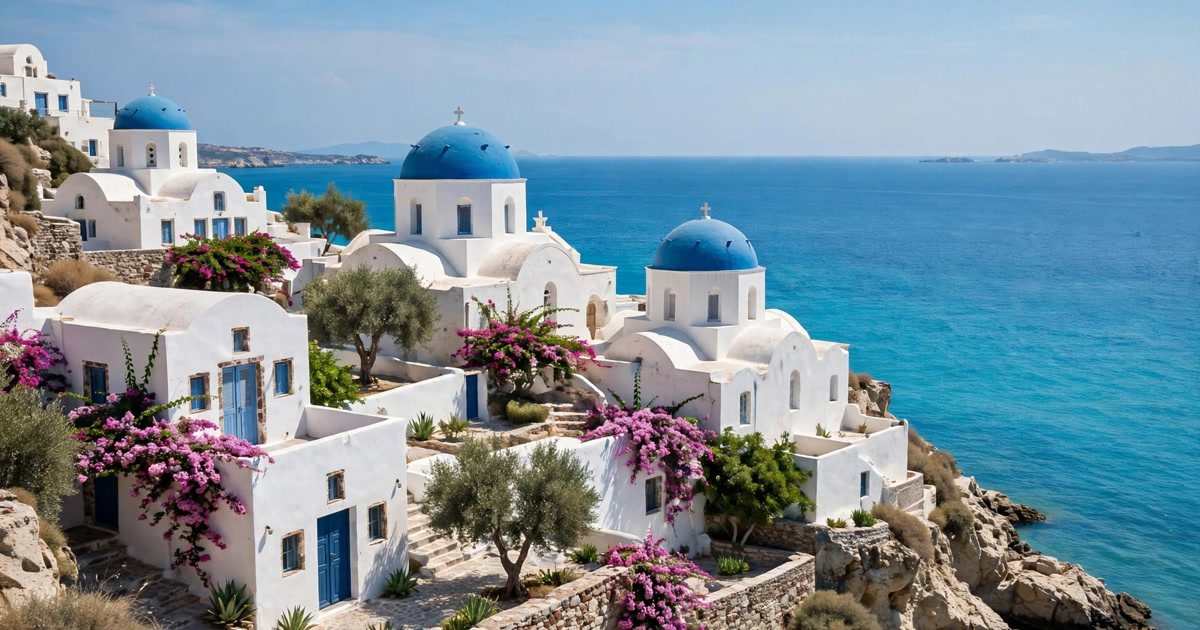
Every summer, Greece's islands transform from quiet winter communities into busy resorts, and thousands of seasonal workers arrive to staff them. Greece seasonal tourism jobs cover hotels, restaurants, bars, boat tours, shops and activities, and they offer a way to earn, travel and experience island life in a single season.
This guide explains how Greece seasonal tourism jobs work, which islands hire most, when to apply, what pay and housing typically look like, and how to avoid common pitfalls. It is written for jobseekers from Greece, the EU and beyond who want a summer season that is enjoyable as well as profitable.
Which Islands Offer the Most Greece Seasonal Tourism Jobs
Greece seasonal tourism jobs concentrate on Santorini, Mykonos, Rhodes, Crete and Corfu, where large hotels and busy restaurant scenes hire hundreds of seasonal staff. Santorini and Mykonos pay well but have high living costs and tight housing, while Crete and Rhodes offer more roles, longer seasons and easier accommodation.
Smaller islands such as Paros, Naxos, Zakynthos and Kos also hire seasonally, often with a more relaxed atmosphere and closer contact with local communities. Choosing between famous and quieter islands means weighing pay, costs, workload and lifestyle, since the busiest islands also bring the longest hours.
Roles in Greece Seasonal Tourism Jobs
Greece seasonal tourism jobs include receptionists, housekeepers, waiters, bartenders, cooks, kitchen assistants, tour guides, boat crew, shop assistants and activity instructors. Language skills matter: English is essential, Greek helps enormously, and German, French or Italian can set candidates apart.
Experience helps but is not always required, especially for housekeeping, kitchen and bar-back roles, where employers train on the job. Candidates with hospitality qualifications or prior seasons move faster into supervisory roles, and returning to the same employer often brings better pay and housing.
When and How to Apply for Greece Seasonal Tourism Jobs
Hiring for Greece seasonal tourism jobs starts early, with many employers recruiting from January to March for a season running roughly May to October. Apply through hotel career pages, island job groups, recruitment agencies and Greek job portals, and follow up politely, since island employers receive many applications.
Prepare how to write a strong resume in English and, where possible, Greek, and be ready for video interviews. Employers value reliability, flexibility and a clear availability window, so state your dates honestly and confirm housing, meals and transport before accepting an offer.
Pay, Hours and Housing in Greece Seasonal Tourism Jobs
Pay for Greece seasonal tourism jobs varies by role, island and employer, with tips often adding significantly to base wages in bars and restaurants. Hours are long in peak season, commonly six days a week, and contracts should state wages, hours, rest days and overtime clearly.
Housing is the critical detail: some employers provide shared staff accommodation, sometimes free or subsidised, while others expect workers to rent. On expensive islands, confirm housing before travelling, since private rents in summer can consume much of a seasonal wage.
Practical Tips for a Greek Island Season
Plan travel and insurance early, since island transport in peak season books up and costs rise. A travel on a budget approach helps with ferries and flights, and travel insurance plus a European Health Insurance Card or equivalent cover health needs during the season.
Also plan for the end of the season: save part of each wage, keep employer references, and confirm final pay and paperwork before leaving. A successful first season often leads to return offers, and many long-term Greece-based careers begin with a single summer of Greece seasonal tourism jobs.
Contracts and Workers' Rights
Seasonal contracts in Greece should state wages, hours, accommodation, meals and duration in writing, and workers should understand overtime, rest days and social insurance contributions. Greek labour law applies to seasonal staff, and employers must register employment properly.
Keep copies of contracts, payslips and working-time records, and raise problems early with employers or labour inspectors. Knowing your rights prevents the most common seasonal complaints, including unpaid overtime, poor housing and withheld wages at season's end.
Island Life Beyond Work
Island life during a season is intense but rewarding, with close-knit staff communities, beach days on rest days, and friendships that span nationalities. Learning basic Greek, trying local food and joining village events turns a job into a cultural experience.
Balance matters: long hours, heat and late nights can exhaust workers, so protect sleep, eat properly and use rest days to recover. Workers who pace themselves enjoy the season more and are more likely to be invited back.
Winter Options After the Season
When the island season ends, some workers move to Athens hotels, ski resorts or winter tourism roles, while others travel or return home with savings. Planning the winter transition before October avoids a sudden loss of income and housing.
Winter work in Greece includes city hospitality, mountain resorts such as Arachova and Metsovo, and cruise or events roles. Building contacts during summer helps, since managers recommend reliable seasonal staff for winter openings.
From Seasonal Work to a Career
A seasonal job can become a hospitality career with the right steps: learn Greek, complete hospitality training, seek supervisory roles, and build a record of reliable seasons with strong references. Many hotel managers and tour operators began as seasonal workers.
Consider specialising in areas with year-round demand, such as revenue management, guest relations, culinary arts or tour operations. Specialisation brings steadier income and promotion, turning summer island work into a profession rather than a gap-year memory.
Greece Seasonal Tourism Jobs: Application Checklist
A practical checklist for Greece seasonal tourism jobs starts with documents: passport or ID, CV, references, health cover and, for non-EU citizens, work-permit paperwork. Add a short cover note stating islands, roles, dates and languages, and keep digital copies of everything for employers who ask.
Next, research employers: check reviews, confirm housing and pay in writing, and avoid offers that demand payment or withhold passports. A careful checklist turns a hopeful application for Greece seasonal tourism jobs into a professional one that employers trust.
Greece Seasonal Tourism Jobs: Saving and Returning
Saving during a season of Greece seasonal tourism jobs requires discipline, since island life tempts spending on meals, outings and nightlife. Set a weekly budget, save tips separately, and track spending, so the season ends with money rather than just memories.
Returning workers gain advantages: familiar employers, better roles, known housing and stronger references. Many island businesses prefer returners, and a second season of Greece seasonal tourism jobs often brings supervisory pay and responsibility.
A Greek island season rewards preparation and a good attitude. Apply early, confirm housing in writing, work hard in peak weeks, and you can finish the summer with savings, references and memories worth repeating.
Sources: Greek National Tourism Organisation; Greek Ministry of Labour; SEPE-equivalent OAED/DYPA guidance.