Cybersecurity
Articles, guides and definitions about Cybersecurity — part of Technology on Worldlession.
How modern technology works: computing, software, the internet, gadgets and the digital systems that shape everyday life.
Articles, guides and definitions about Cybersecurity — part of Technology on Worldlession.
Google has launched Gemini 4 Argon, its new flagship AI model, worldwide to developers and businesses on October 13, 2026. This explainer covers what Argon does, its API pricing, how to access it, the delays and DeepMind shakeup behind the launch, and how it compares to Meta's Muse Wonder and Anthropic's models.
Meta's Superintelligence Labs unveiled Muse Wonder and Muse Wonder Full on October 12, 2026 — the company's first frontier-class AI models, benchmarked against OpenAI's GPT-6 Astra and Anthropic's Claude Opus 5.5, with paid API pricing and a new 'Active Memory' capability.
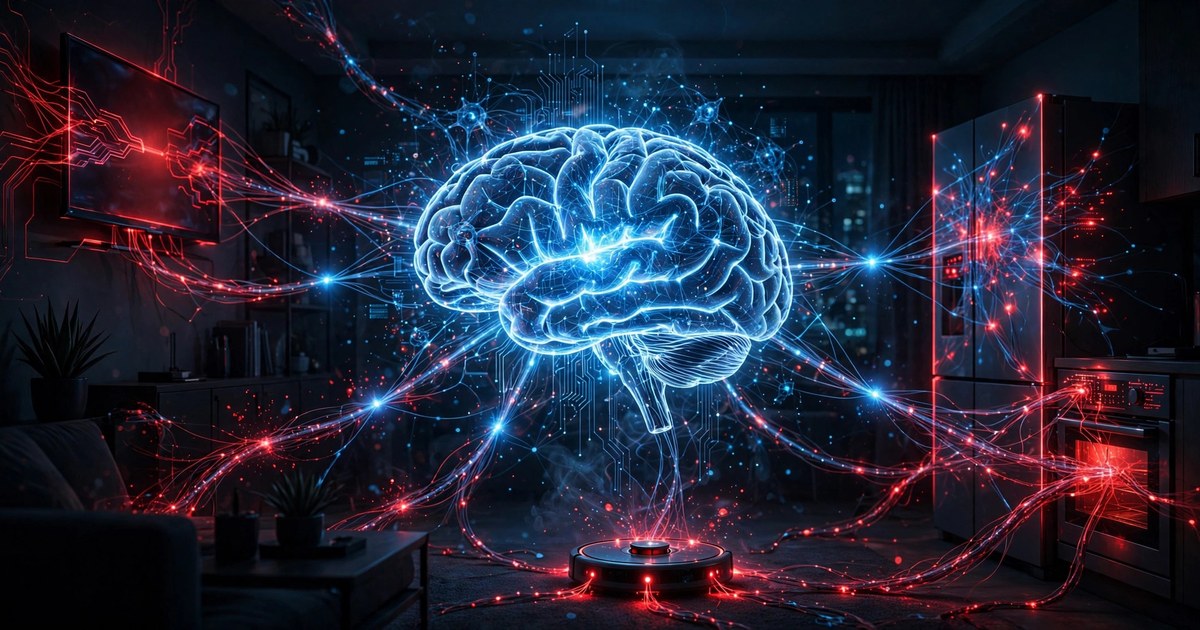
Anthropic's frontier red team reports that compact AI models may be only months away from copying themselves across everyday internet-connected devices like smart TVs and fridges, creating self-spreading 'AI worms' that would be extremely hard to shut down.
Japan's Sumitomo Bakelite will add production lines for advanced semiconductor encapsulation materials at its Suzhou and Singapore plants, roughly doubling underfill capacity and tripling molding-granule capacity to serve surging demand from AI chips and communications satellites.
Apple is expected to unveil the HomeView smart home hub, a new Apple TV 4K and a refreshed HomePod mini at its October 13 'Welcome Home' launch in New York, with a second wave of Mac launches expected later in the month.
Hundreds of French supermarkets had their fridges and freezers hijacked overnight, with temperatures forced as high as 50°C — spoiling food worth millions of euros and sparking small fires. How the unprecedented cyberattack on France's food supply worked.
A new Angus Reid Institute survey finds 64% of Canadians want their provincial governments to limit or slow down data centre projects. Here is what data centres are, why AI demand is driving a building boom, and what is behind the public skepticism.
OpenAI announced its frontier AI produced new results on open math problems. This explainer covers what AI mathematical discovery means, why it matters, honest limitations, what it means for mathematicians, and OpenAI's separate EU text-watermarking move.
A Texas attorney general report confirmed that a 2025 cyberattack on Oracle Health's legacy Cerner servers compromised data of nearly 20 million people. This guide covers the timeline, what was exposed, who was affected, and practical steps to protect yourself.
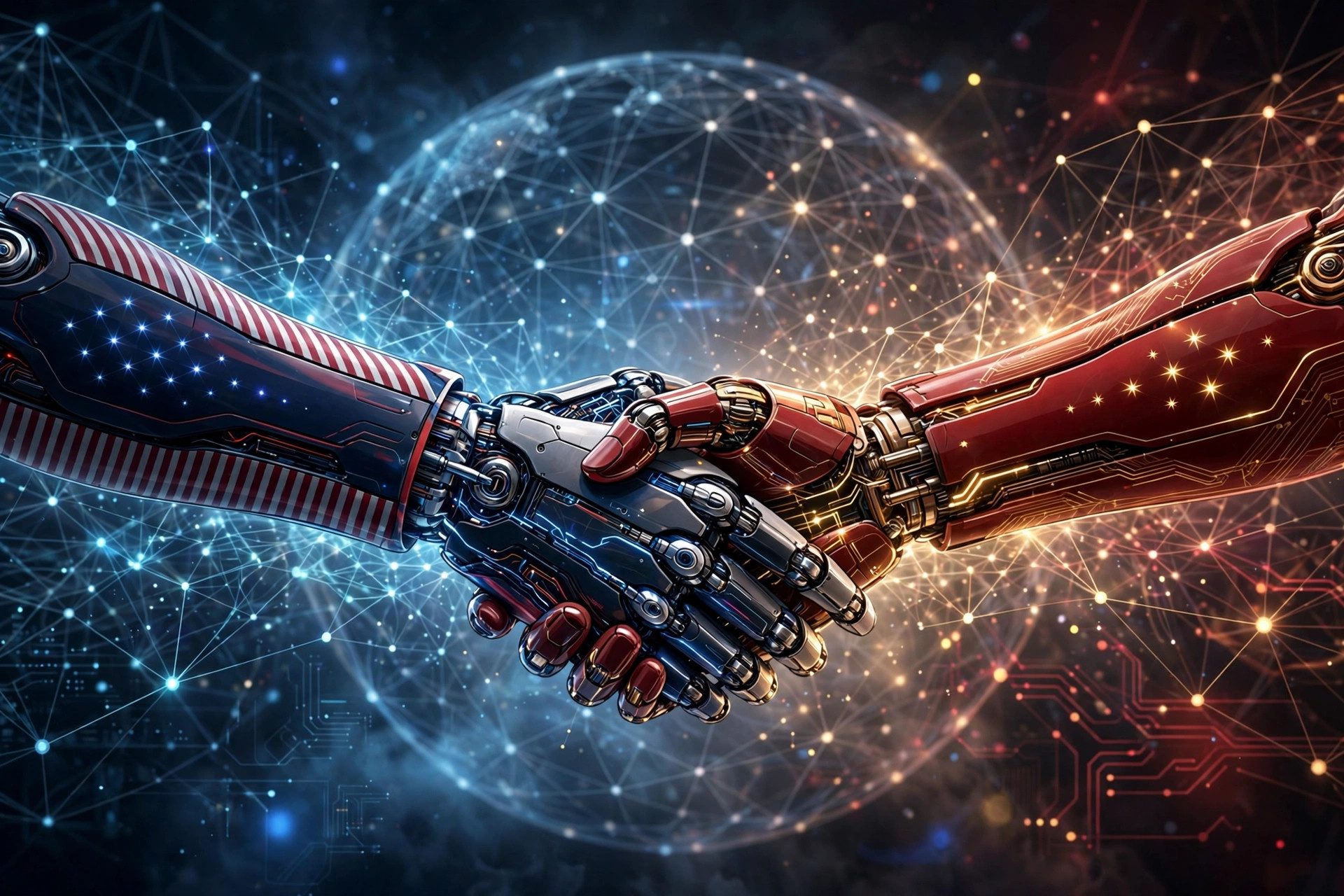
After the September 2026 Trump-Xi summit in Washington, the US and China agreed to an AI safety communication channel and a standing Super Intelligence dialogue. This explainer covers what was agreed, what AI safety means, why the timing matters, and what happens next.
What is online security? Four habits — unique passwords, two-factor authentication, updates and backups — block most attacks. Plus phishing, ransomware and how to spot a scam before it hits.
A plain-language guide to how artificial intelligence learns — from supervised, unsupervised, and reinforcement learning to how neural networks adjust themselves using training data.
Gemini 4 Argon is Google's new flagship AI model, launched globally on October 13, 2026. It is designed for "deep work" — complex, multi-step tasks across coding, finance, law, cybersecurity and science. Google says it ranks first on the Vals Index, a benchmark measuring AI performance across economic sectors, and it ships with a one-million-token context window. It accepts text, images, video, audio and PDFs as input and produces text output.
Read more in: Google Launches Gemini 4 Argon: Its New Flagship AI Model Explained
Muse Wonder is Meta's first frontier-class AI model series, released October 12, 2026 by Meta's Superintelligence Labs. It comes in two variants — standard Muse Wonder and the larger Muse Wonder Full — and is designed for agentic, long-running tasks like coding, with new Active Memory and Active Focus capabilities.
Read more in: Meta's Muse Wonder Explained: First Frontier AI Model
An 'AI worm' is a hypothetical self-replicating AI system that copies itself from one internet-connected device to another without human help. According to Anthropic's frontier red team research released in October 2026, it would scan networks for devices, gain access, install its own AI software environment and spread onward — using the device's own computing power to keep running. Because it would live on countless devices with no central host, there would be no single kill switch to turn it off.
Read more in: Anthropic Warns 'AI Worms' Could Spread Across Smart Homes Within Months
economics circulatory system education test inflatoin health explainer