
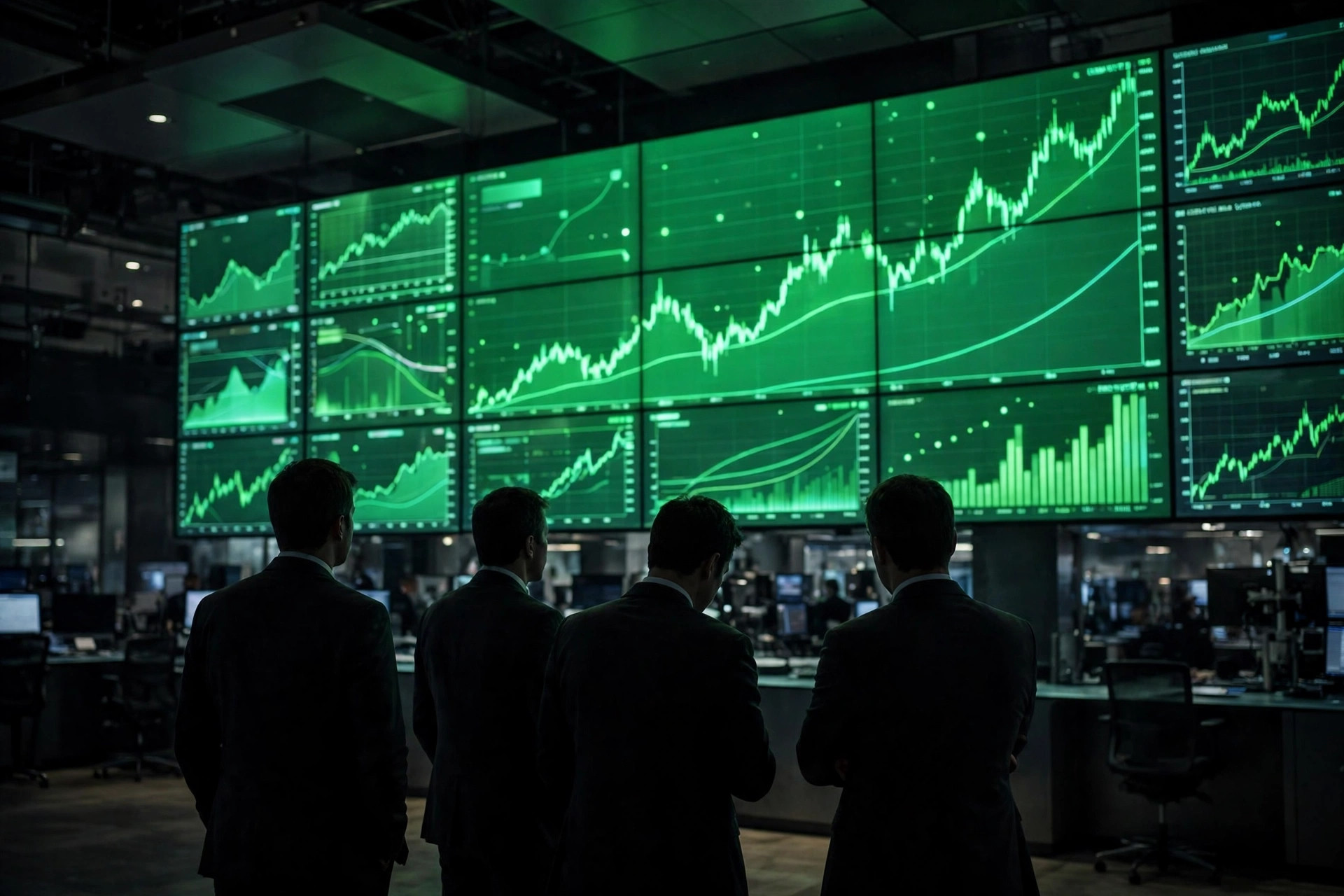
The US stock market rally after midterms stunned Wall Street on Wednesday 4 November 2026, as investors welcomed the decisive result of the United States midterm elections held the day before. The Dow Jones closed up 3.03 percent, gaining 1,569 points to finish at 53,356, in its biggest post-midterm single-day gain since 1982, according to data from CFRA Research. The US stock market rally after midterms was broad: the S and P 500 rose 1.58 percent to 7,689 and the Nasdaq rose 1.44 percent to 25,737, as markets that had feared a long, contested count instead got a clear outcome and moved quickly to price it in.
The scale of the move was historic by several measures. The Dow's gain was its best day since April 2025 and its fifth-largest one-day points gain ever. The S and P 500 recorded its second-biggest post-midterm gain since 1982, while the Nasdaq posted its biggest post-midterm gain since 2018. Behind the headline numbers, the rally told a story about certainty: after weeks of nervous trading ahead of the vote, investors embraced the clarity of a decisive result, and money that had been sitting on the sidelines moved back into shares.
US Stock Market Rally After Midterms: The Numbers in Full
The US stock market rally after midterms was led by the Dow Jones, which closed up 3.03 percent, or 1,569 points, at 53,356. That was the Dow's biggest post-midterm single-day gain since 1982, per CFRA Research, its best day since April 2025, and the fifth-largest one-day points gain in the index's history. The S and P 500 rose 1.58 percent to 7,689, its second-biggest post-midterm gain since 1982, behind only the gain after the 2018 midterms. The Nasdaq Composite rose 1.44 percent to 25,737, its biggest one-day post-midterm gain since 2018.
The rally came the day after Democrats won control of both chambers of Congress in the 3 November midterms, a sweeping result that gave the opposition party control of the House and the Senate. Stock futures had fallen sharply overnight as early results came in, before reversing course and gaining as investors digested the outcome. The reversal was a classic post-election pattern: markets dislike uncertainty more than they dislike any particular result, and once the result was known, buyers returned.
Individual shares told the same story. Microsoft rose 7 percent, Amazon rose 6 percent and Apple rose 5 percent, as large technology shares led the advance. First Solar jumped 15.1 percent, one of the day's biggest gainers. The breadth of the rally mattered as much as its size: it was not driven by a single sector or a single stock, but by a broad move across the market as investors repositioned for a new political landscape.
Why the US Stock Market Rally After Midterms Happened
Markets rally after elections for a simple reason: the vote removes a question that has been hanging over every trading decision. In the weeks before the midterms, investors had to weigh not just company earnings and economic data but also the possibility of a divided or contested outcome. Once the Democrats' control of both chambers was clear, that uncertainty lifted, and traders who had been cautious felt able to buy again.
The result also changed expectations about policy. With Democrats in control of both chambers of Congress, investors began to reassess what the coming years might hold for government spending, regulation and the policy agenda of President Donald Trump. The market's judgment, at least on the first day, was that a divided government would moderate some of the administration's more controversial policies, including trade tariffs, and that prospect helped lift shares, particularly in sectors exposed to global trade.
History supports the idea that markets often rise after midterms. The S and P 500 has risen in the twelve months after every midterm election since 1950, according to long-run data, and the months after a midterm have typically been stronger than average. That pattern is not a guarantee, and past performance does not predict future returns, but it helps explain why traders were ready to buy once the result was known rather than waiting for more information.
Futures Fell First, Then Reversed
One of the most striking features of the day was how it began. Stock futures fell sharply overnight on Tuesday as results came in, reflecting the market's first reaction to the scale of the Democratic sweep. By the time regular trading opened on Wednesday, however, sentiment had turned. Futures erased their losses and gained overnight, and the main indexes extended their gains through the session.
The reversal shows how quickly markets can change their minds when new information arrives. The overnight fall was driven by surprise at the size of the result; the daytime rally was driven by reflection on what the result actually meant. Investors concluded that a decisive outcome, even one that surprised them, was better than a prolonged count or a disputed result, and they acted on that conclusion in large numbers.
Winners: Microsoft, Amazon, Apple and First Solar
Among individual shares, the day belonged to the big technology names and to clean energy. Microsoft rose 7 percent, Amazon rose 6 percent and Apple rose 5 percent, lifting the Nasdaq and the S and P 500 with them. These are among the largest companies in the American market, so moves of that size add hundreds of billions of dollars to their combined value and pull the headline indexes higher with them.
First Solar jumped 15.1 percent, a far larger percentage move, reflecting investor hopes that a Democrat-controlled Congress would be friendlier to clean energy and to the subsidies and policies that support solar power. The move in First Solar was a reminder that elections do not lift all shares equally: companies whose fortunes depend on government policy can move much more sharply than the market as a whole when the political outlook changes.
Gold, Oil and Bond Yields Moved Too
The stock rally was only part of a wider market move. Gold climbed 3.38 percent to 4,073.70 dollars an ounce, as investors bought the precious metal alongside shares. The 10-year Treasury yield fell to about 4.89 percent, meaning government bond prices rose as yields fell, another sign that investors were rethinking the outlook for interest rates and government borrowing.
Oil moved sharply in the opposite direction. WTI oil fell nearly 8 percent to 88.55 dollars a barrel, as traders weighed the future of the war with Iran and the prospect of a resolution that could ease pressure on oil supplies. Energy shares were among the day's biggest losers, a contrast with the rest of the market, and a reminder that a political result can push different markets in different directions at the same time.
There was also fresh economic data. ADP reported that United States private employers added 86,000 jobs in October, a solid figure that gave investors another reason to feel confident about the economy. Jobs data matters because it shapes expectations for consumer spending, company profits and the Federal Reserve's next move on interest rates, and a healthy labour market supports the case for owning shares.
What the Rally Means for Investors
For ordinary investors, the rally is a reminder of two things. First, single days can be dramatic: a 3.03 percent rise in the Dow in one session is rare, and it can make a real difference to the value of a pension or an investment account. Second, single days are not a strategy. The market's history after midterms is encouraging, with the S and P 500 rising in the year after every midterm since 1950, but that pattern has included sharp falls along the way, and the months ahead will depend on earnings, inflation, interest rates and events that have nothing to do with the election.
The rally also does not settle the bigger questions. The war with Iran, the future of tariffs, the path of interest rates and the health of the artificial intelligence trade all remain open, and each of them can move markets in either direction. What the rally does show is that investors, for now, prefer certainty to uncertainty, and that a decisive election result was enough to bring buyers back in force.
What Happens Next
In the days ahead, attention will turn from the election result to what the new Congress actually does, and to the economic data that will shape the Federal Reserve's decisions. Company earnings, inflation reports and jobs figures will matter more than the vote itself, and traders will be watching for signs of how the new balance of power in Washington affects spending, regulation and trade policy.
The rally also sets a high bar. After the Dow's best post-midterm day since 1982, investors will want evidence that the optimism is justified, not just a one-day reaction to a result. If that evidence arrives in the form of solid earnings and steady economic data, the rally could have further to run. If it does not, the market can give back its gains just as quickly as it made them. For context on the vote itself, read our coverage of the 2026 midterm results, and for the technology shares that led the rally, see Apple and Palantir earnings and why tech stocks were falling in October 2026.