
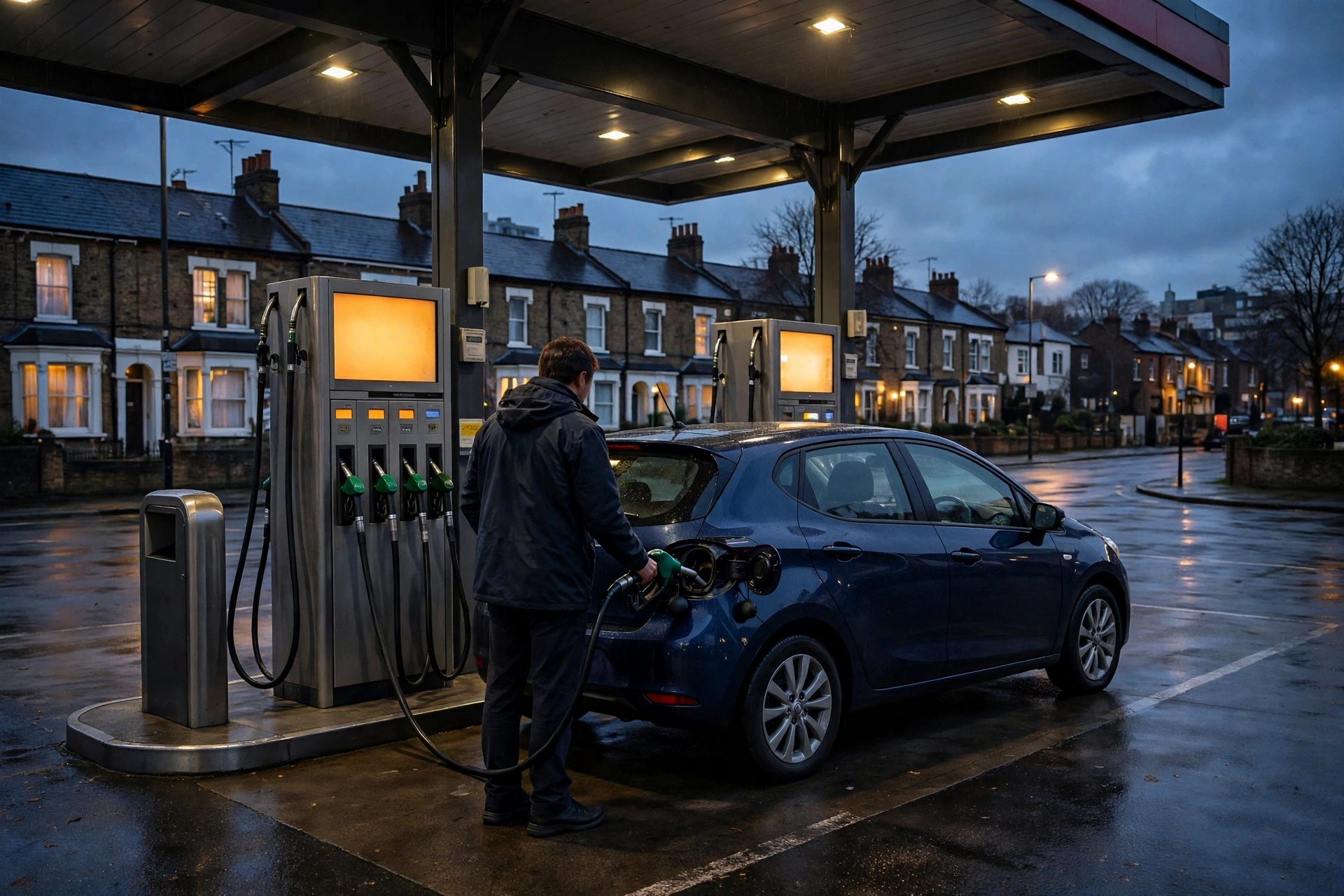
UK inflation October 2026 rose to 3.6% in the 12 months to October, up from 3.5% in September, the highest rate in a year and the fourth consecutive monthly increase, according to the Office for National Statistics bulletin published on 18 November. The figure was in line with the consensus of economists polled by Reuters, but the detail behind it told a sharper story for households: diesel averaged 199.5p a litre, the highest price since ONS records began in 1996, and motor fuel prices were 33.2% higher than a year earlier. For drivers, shoppers and savers alike, the October numbers showed that the cost of living is still climbing, just as the Bank of England weighs its next move on interest rates.
What the UK Inflation October 2026 Figures Show
The headline rate in the UK inflation October 2026 figures — the Consumer Prices Index rising 3.6% over the year to October — was driven once again by fuel. Motor fuel prices were 33.2% higher than a year earlier, the largest annual rise since July 2022, and up from 29.8% in September. Petrol averaged 174.7p a litre, up 5.2p in the month and the highest since August 2022, while diesel averaged 199.5p a litre, up 7p in October alone. Tobacco also pushed the index higher, with prices up 5.2% in the month and 12.4% over the year. The CPI rose 0.5% in October alone, compared with 0.4% in the same month a year earlier.
Not every part of the UK inflation October 2026 basket moved the same way. Food and non-alcoholic drinks inflation fell to its lowest since 2021, a rare piece of relief for household budgets. Core inflation, which excludes energy, food, alcohol and tobacco, was unchanged at 2.8%, while services inflation held at 3.7% and goods inflation rose to 3.5% from 3.2%. CPIH, the measure that includes owner-occupiers' housing costs, rose to 3.7% from 3.6%. ONS chief economist Grant Fitzner summed up the month plainly: "Inflation rose slightly in October, with fuel prices once again a major contributor." The pattern is familiar — fuel up, food easing — but the overall direction is not: four monthly rises in a row, and a rate now running well above the Bank of England's 2% target.
Diesel at 199.5p: The Record at the Pumps
The diesel figure in the UK inflation October 2026 release deserves attention on its own. At 199.5p a litre, diesel is at its highest since the ONS began recording fuel prices in 1996 — nearly thirty years of data, and no month has been dearer. The 7p rise in October alone is a large monthly jump for a price that feeds directly into the cost of almost everything that moves by road: deliveries, tradespeople, buses and freight. Petrol, at 174.7p a litre, is at its highest since August 2022, when the energy crisis was at its peak. Together, the two fuels explain why motor fuel prices are 33.2% higher than a year ago, and why the October inflation figures felt so much worse at the pump than the headline 3.6% might suggest.
The energy squeeze behind UK inflation October 2026 does not stop at the forecourt. The Ofgem energy price cap rose 4% in October and now stands at £1,723 a year for a typical household, so heating and electricity bills climbed in the same month as fuel. That combination — dearer petrol, record diesel, and a higher price cap — is what makes this inflation reading feel different from a statistical curiosity. It is a squeeze on the two things almost every household must buy: energy to move and energy to stay warm. The government's jobs guarantee for young people shows ministers are alive to the pressure on household incomes, but the October figures show how far that pressure has already spread.
What Rising Prices Mean for Households
For households, the UK inflation October 2026 figures cut both ways. The fall in food and non-alcoholic drinks inflation to its lowest since 2021 is genuine relief at the supermarket, where weekly shops have been one of the most visible costs of the last few years. Services inflation holding at 3.7% and core inflation steady at 2.8% also suggest that the underlying price pressures are not accelerating across the board. But the fuel numbers overwhelm those comforts for anyone who drives, and the goods inflation rise to 3.5% shows prices are still climbing on the things people buy as well as the services they use.
The wider economic backdrop to UK inflation October 2026 makes the picture harder. The Bank of England raised its Bank Rate to 4% on 5 November, the first increase since August 2023, up from 3.75%. Higher rates are meant to cool inflation, but they also raise the cost of mortgages and borrowing — a second squeeze on households already paying more at the pump. The Bank expects inflation to peak at around 5% by the middle of next year, which means the October reading of 3.6% may not be the worst of it. Markets and households alike will be watching the next CPI release, covering November data, on 16 December 2026.
What the Bank of England Does Next After UK Inflation October 2026
The next decision falls to the Bank's Monetary Policy Committee on 17 December 2026, and the UK inflation October 2026 figures will be central to it. KPMG UK chief economist Yael Selfin expects another precautionary rate rise, and the Bank's own forecast — inflation peaking near 5% around the middle of next year — points in the same direction. The Bank raised rates on 5 November precisely because it saw inflation pressures persisting, and the fourth consecutive monthly increase in October will have confirmed that judgement in the eyes of many economists. The market mood across the Atlantic has also turned cautious, with investors weighing further rate rises in the United States.
But the decision is not straightforward. Raising rates again would add to the cost of borrowing for households and businesses, and the Bank must weigh that against the risk that inflation stays above target for longer. The fall in food inflation and the steady core rate give the doves on the committee something to point to; the diesel record and the 33.2% annual fuel rise give the hawks their case. The turbulence in European banking is a further reminder that financial conditions are fragile. What is clear is that the UK inflation October 2026 figures have not settled the argument — they have sharpened it, and the 17 December meeting will be one of the most closely watched of the year. For households, the practical advice is unchanged: the cost of living is still rising, fuel is at a record, and the next two months will decide how much more expensive 2027 becomes.