
Why Students Choose Studying in the Netherlands
Studying in the Netherlands attracts international students for a combination that few countries match: a large number of English-taught degree programmes, internationally respected universities, relatively moderate tuition by English-speaking-country standards, and a student culture built around cycling, international classrooms and compact, liveable cities. The Netherlands offers thousands of English-taught programmes at bachelor's and master's level, so language is rarely a barrier to admission, though learning Dutch enriches daily life enormously.
Dutch higher education is divided into research universities, which focus on academic research and theory, and universities of applied sciences, which emphasise practical skills, internships and preparation for specific professions. Both types award recognised degrees, and the choice between them should follow your career goals rather than prestige alone. A research university suits academic and research careers, while applied sciences suit hands-on professional paths.
Admissions and Requirements for Studying in the Netherlands
Admissions for studying in the Netherlands go through Studielink, the national application system, plus institution-specific steps that vary by programme. Research universities generally require a secondary diploma equivalent to the Dutch VWO diploma, while applied sciences universities accept a broader range, including HAVO-equivalent diplomas. Many programmes are open admission, while numerus fixus programmes, such as medicine and some popular courses, limit places and use selection procedures.
English-language requirements usually mean an IELTS, TOEFL or equivalent score at the level set by the programme, and some programmes add mathematics, portfolio or interview requirements. Deadlines matter: numerus fixus programmes close in January, most other programmes in spring, and non-EU students need extra time for visas and housing. Apply early, prepare documents and translations in advance, and check each programme's page rather than relying on general advice, since requirements differ by institution.
Tuition, Scholarships and Student Finance
Tuition for studying in the Netherlands depends on nationality and programme. EU and EEA students pay the statutory tuition fee set annually, which is moderate by international standards, while non-EU students pay institution-set fees that vary widely by programme and university. Master's fees are generally higher than bachelor's fees, and some specialised programmes charge more.
Scholarships exist but are competitive: the NL Scholarship, university-specific awards, and Erasmus Mundus and other European programmes support some international students, and many require separate applications with early deadlines. EU students may qualify for Dutch student finance under certain work or residence conditions, while most non-EU students must show proof of funds for a visa. Budget beyond tuition for housing, insurance, food and transport, and check whether your programme allows part-time work, since non-EU students face hour limits during term.
Housing and Daily Life as a Dutch Student
Student housing is the hardest part of studying in the Netherlands for many newcomers, especially in Amsterdam, Utrecht and Groningen, where demand far exceeds supply. University housing offices, student housing corporations, and private listings all help, but waiting lists are long and private rents high, so start searching the moment you are admitted, consider neighbouring towns, and beware of scams that demand payment before viewing.
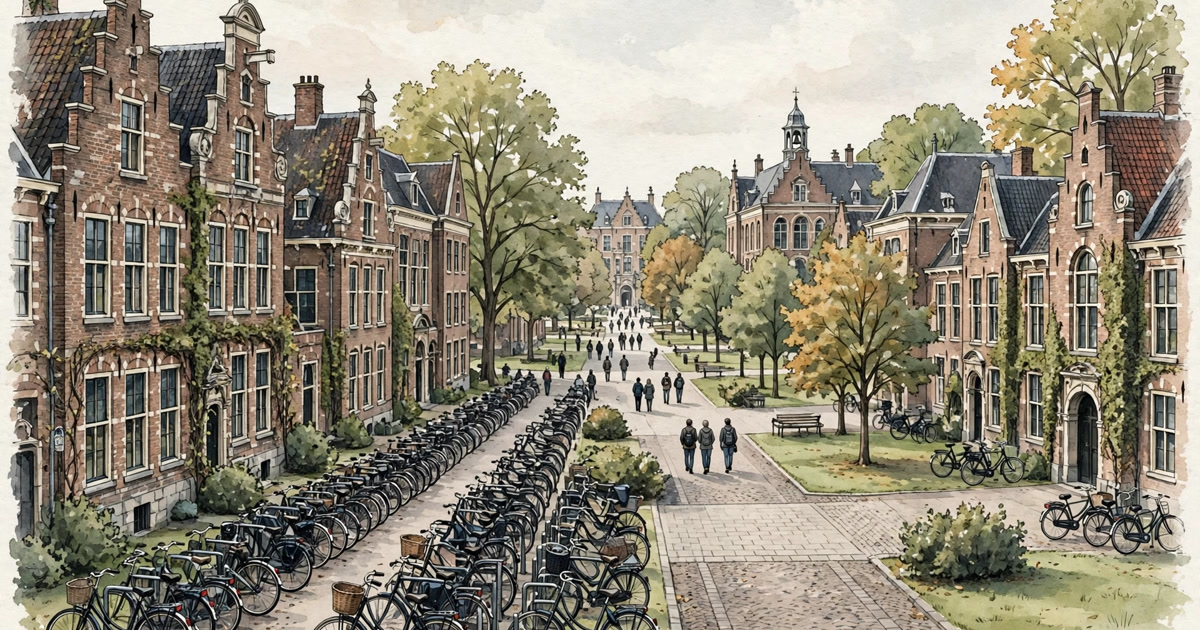
Daily student life is cycling-centred: buy a second-hand bike, learn the cycling rules, and lock it well, since bike theft is common. Student associations, sports clubs and international student organisations offer social life, support and Dutch language practice, and most cities have affordable student restaurants, libraries and study spaces. Register with your municipality on arrival, arrange health insurance, and open a bank account early, and our guide to travelling on a budget can help you explore the Netherlands cheaply between terms.
After Graduation: Careers and Staying On
After studying in the Netherlands, graduates have options worth planning for before the final semester. Non-EU graduates can apply for an orientation year permit, the zoekjaar, which allows a year to search for skilled work or start a business in the Netherlands. EU graduates can stay and work freely. Dutch employers value internships, language skills and international experience, so build those during your studies rather than only at the end.
Career services at universities offer CV help, interview preparation and employer events, and alumni networks are active internationally. If you plan to stay, learn Dutch to at least conversational level, since it widens job options substantially even in English-speaking sectors. Whether you return home or stay, a Dutch degree carries strong international recognition, and checking world time zones explained helps graduates coordinating job searches across countries.
Making the Most of Studying in the Netherlands
The practical lesson of this guide is simple: use the official Studying in the Netherlands sources first, note what applies to your own circumstances in Netherlands, and double-check dates, eligibility and costs before you commit to anything connected with study: studying in the Netherlands. Small checks at the start prevent the most common problems, from missed deadlines to wrong assumptions about what a service covers.
Save this guide, set reminders for any deadlines it mentions, and return to Studying in the Netherlands whenever your situation changes, since a new job, move, or family change can alter what applies to you. Shared with family or colleagues who face the same questions, Studying in the Netherlands advice becomes easier to follow, and you will find that the system, once understood, is far more navigable than it first appears.
It also helps to keep a short personal note alongside this guide: the dates you applied, the offices you contacted, the reference numbers you were given, and the outcomes, since that record answers most follow-up questions without a fresh search. Official guidance on Studying in the Netherlands changes over time, so a dated note of what applied when you acted protects you if a rule later changes or a decision is questioned.
In the end, the goal is not to memorise every detail of study: studying in the Netherlands in Netherlands, but to know where to look, whom to ask, and what to check before deciding. With official sources bookmarked, documents organised, and Studying in the Netherlands revisited at the right moments, you can handle this topic with confidence, and help others do the same.