
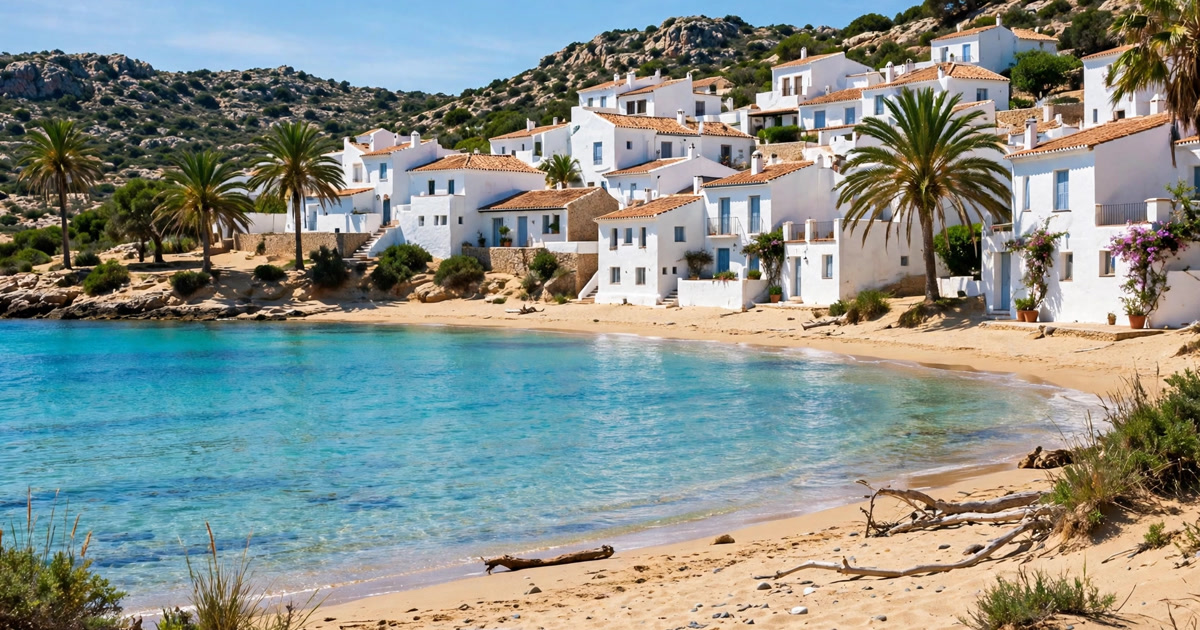
Few countries offer as much beach variety as Spain, from the coves of the Costa Brava to the volcanic sands of the Canary Islands. Spain beach holidays work for families, surfers, walkers and anyone who simply wants warm water and good food, but the right coast depends on the season and the kind of trip you want.
This guide compares Spain beach holidays coast by coast, explains when each region is at its best, and covers practical points such as costs, transport and safety. Use it to choose a destination that matches your dates rather than picking a famous name at random.
Spain Beach Holidays on the Mediterranean Coast
Spain beach holidays on the Mediterranean range from the rugged coves of Girona's Costa Brava to the long sandy beaches of the Costa del Sol and Costa Blanca. The Costa Brava suits walkers and small-town lovers, while the Costa del Sol offers resorts, golf and winter sunshine.
Water temperatures on the Mediterranean peak in August and September, and the best swimming often comes in early autumn when crowds thin. For families, the Costa Blanca's shallow beaches and the Costa Dorada near Tarragona are reliable choices for Spain beach holidays with children.
Balearic and Canary Islands for Spain Beach Holidays
The Balearic Islands give Spain beach holidays a compact, varied option: Mallorca mixes resorts with mountain villages, Menorca offers quieter coves, and Ibiza and Formentera draw beach-club crowds. Ferries and short flights make island-hopping practical.
The Canary Islands are Spain's year-round beach answer, with warm water even in winter. Tenerife, Gran Canaria, Lanzarote and Fuerteventura each have distinct beaches, from golden dunes to black volcanic sand, and they suit travellers who want Spain beach holidays outside the summer peak.
Atlantic Spain Beach Holidays: Galicia, Asturias and Cádiz
Atlantic Spain beach holidays feel different: wilder, cooler and greener. Galicia's Rías Baixas offer white sand and seafood villages, Asturias pairs beaches with mountain backdrops, and Cádiz combines Atlantic surf with Andalusian culture and sherry towns.
Atlantic water is cooler and waves are stronger, so these coasts suit surfers and walkers as much as swimmers. Check local flags and currents daily, since Atlantic beaches demand more respect than sheltered Mediterranean coves.
Planning and Costs for Spain Beach Holidays
Costs for Spain beach holidays vary sharply by month. July and August bring peak prices, while June and September offer warm water, lower hotel rates and quieter beaches. Booking apartments or aparthotels with kitchens helps families control food costs.
To keep spending down, travel on a budget by travelling midweek, using regional trains and buses, and eating set lunch menus. Add travel insurance for longer trips, and check whether your beach has lifeguards, shade rental and accessible facilities before you arrive.
Safety and Seasons for Spain Beach Holidays
Safety on Spain beach holidays starts with flags: green means safe bathing, yellow calls for caution, and red means do not enter the water. Rip currents are the main danger on Atlantic beaches, while Mediterranean storms can arrive quickly in autumn.
Sun protection matters everywhere in Spain, especially for children and in the Canaries, where UV stays high in winter. Drink water, use shade at midday, and remember that the best Spain beach holidays balance beach days with inland villages, markets and old towns.
Domestic Travel Patterns in Spain
Spaniards themselves travel extensively for beach holidays, with August seeing mass movement from inland cities to the coasts. Domestic visitors favour family apartments, campsites and second homes, and many coastal towns have a distinctly local character outside the international resort zones.
Understanding domestic patterns helps all travellers: book early for August, expect busy roads on changeover weekends, and consider June or September for a calmer version of the same beaches. Local festivals, markets and fiestas also peak in summer, adding culture to a beach trip.
Beach Types: Coves, Dunes and City Beaches
Spain offers every beach type. Sheltered coves, or calas, suit snorkelling and quiet swimming, long dune beaches suit walking and kite sports, and city beaches such as Barcelona's offer restaurants, showers and public transport at the cost of crowds.
Natural parks protect some of the best beaches, including Cabo de Gata in Andalusia and the dunes of Corralejo in Fuerteventura. These places reward visitors who bring water, shade and patience, since facilities are deliberately limited to protect fragile landscapes.
Food, Markets and Beach Towns
Beach holidays in Spain are inseparable from food. Chiringuitos, beach bars, serve grilled fish, fried seafood and cold drinks, while inland town markets offer fruit, cheese and bread for picnics. Eating where locals eat, slightly away from the seafront, usually means better value and better cooking.
Each coast has its own specialities: seafood rice in Valencia, grilled sardines in Málaga, octopus in Galicia and fresh cheese in the Canaries. Trying regional dishes turns a beach holiday into a cultural trip without leaving the coast.
Booking, Transport and Practical Tips
Getting to Spanish beaches is easy by plane, high-speed train and bus, but the final stretch often needs a local bus, taxi or rental car, especially for coves and natural parks. Check access before booking remote accommodation, since some beaches require walking or unpaved roads.
For planning, a holiday travel booking guide helps compare flights, trains and stays, and booking flexible accommodation protects against weather changes. Pack reef shoes for rocky coves, check jellyfish reports in summer, and always note the location of the nearest pharmacy and health centre.
Sustainable Beach Holidays
Spain's beaches face pressure from crowds, plastic and coastal development, and visitors can help by using reef-safe sunscreen, taking litter home, respecting dunes and protected areas, and choosing locally owned accommodation and restaurants.
Travelling outside peak weeks, using public transport where possible, and staying longer in one place rather than hopping between resorts all reduce impact. Sustainable choices also improve the holiday itself, since quieter beaches, local food and unhurried days are often the most memorable parts of a trip.
Choose your coast by season, book shoulder months when you can, respect the flags, and Spain's beaches will reward you with variety few countries can match.
Sources: Turespaña; Spanish regional tourism boards; AEMET coastal forecasts.