
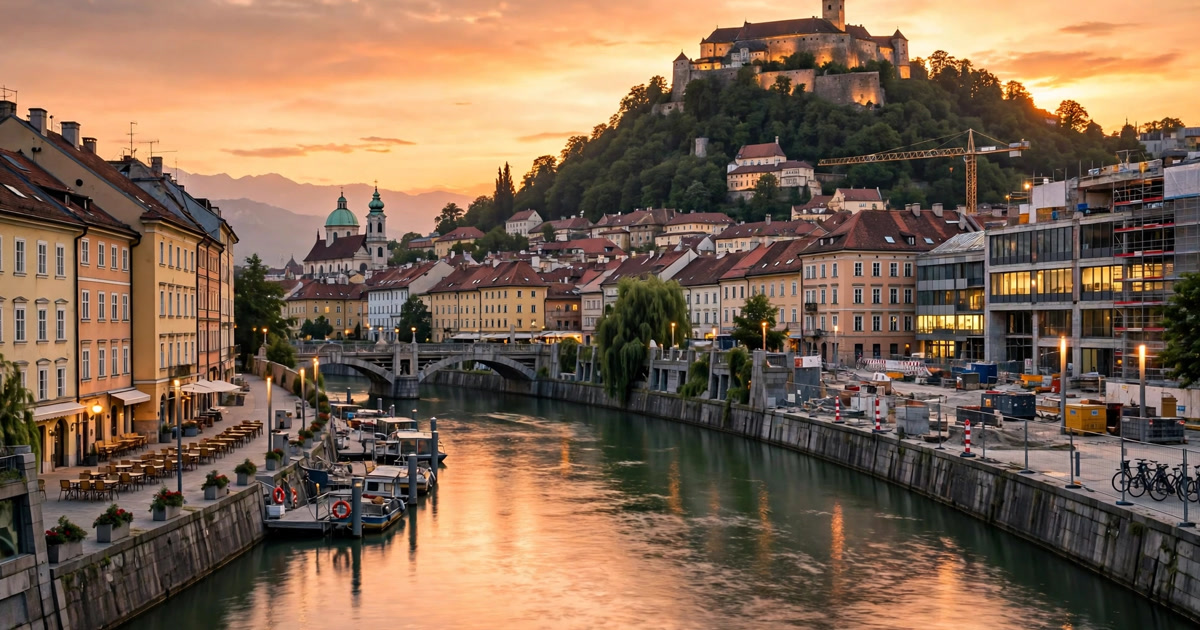
Slovenia offers a stable, prosperous job market in a small, green country, with strengths in pharmaceuticals, manufacturing, IT and tourism. Jobs in Slovenia concentrate in Ljubljana, with Maribor, Koper, Celje and Kranj adding regional opportunities.
This guide explains jobs in Slovenia for locals and foreigners: hiring sectors, salaries, language, visas and how to apply. It suits jobseekers considering a move to Central Europe as well as those already in Slovenia.
Hiring Sectors for Jobs in Slovenia
Jobs in Slovenia are strongest in pharmaceuticals, with Krka and Lek (Novartis) as major employers, plus automotive suppliers, electronics, IT, logistics and tourism. Ljubljana hosts services, startups and public administration, while Koper's port drives logistics.
English-speaking roles exist in IT, shared services and tourism, but Slovenian dominates most workplaces. Matching language ability to sector is essential: international firms offer English roles, while manufacturing and healthcare require Slovenian.
Salaries and Living Costs
Salaries for jobs in Slovenia are highest in pharmaceuticals, IT and finance, middle in manufacturing, and lower in tourism, retail and agriculture. Ljubljana salaries and rents both lead, while Maribor and smaller towns offer lower costs.
Compare total packages, including bonuses, meal allowances, transport and training, since these affect real income. Slovenia's high quality of life, safety and short commutes offset salaries that trail larger western economies.
Language Needs for Jobs in Slovenia
Slovenian language needs for jobs in Slovenia are significant: even international companies value Slovenian for meetings, documents and daily life. Learning Slovenian, a Slavic language with dual forms, takes effort but opens far more roles.
Start courses early, practise with colleagues, and use language apps alongside formal study. Employers respect candidates who invest in Slovenian, even when the job itself operates partly in English.
Visas and Work Permits
EU citizens can take jobs in Slovenia freely, while non-EU citizens need work permits and single permits combining work and residence, tied to employers. Processing takes weeks to months, with documents, translations and employer cooperation required.
Prepare how to write a strong resume in English and Slovenian where possible, and practise how to prepare for a job interview with examples from your field. Verify employers and confirm contracts before relocating.
How to Apply for Jobs in Slovenia
Apply for jobs in Slovenia through MojeDelo, LinkedIn, company sites, agencies and EURES, tailoring applications to each employer. Highlight languages, technical skills and relevant experience, and follow up politely.
Networking in Ljubljana's business community, expat groups and industry events surfaces unadvertised roles. Be cautious of offers demanding payment, and confirm probation, hours and notice terms before accepting.
Ljubljana Versus Regional Job Markets
Ljubljana dominates Slovenia's job market, with services, tech, public administration and headquarters roles, while Maribor offers manufacturing, logistics and university-linked jobs, and Koper's port drives trade employment.
Regional roles offer lower rents and shorter commutes, but fewer international positions and slower career ladders. Choosing between Ljubljana and regions means weighing salary, costs, lifestyle and long-term prospects together.
Pharmaceutical Careers in Detail
Pharmaceutical careers in Slovenia centre on Krka in Novo Mesto and Lek in Ljubljana and Mengeš, with roles in research, production, quality, regulatory affairs and sales. Science degrees, laboratory skills and regulatory knowledge open doors.
Pharma employers invest in training, offer stable careers and export globally, making them attractive for science graduates. Language needs vary, with English common in research and Slovenian essential for production and regulatory roles.
Tourism Jobs and Seasonal Work
Tourism jobs in Slovenia span Ljubljana hotels, Bled and Bohinj resorts, Piran coast and ski resorts, with seasonal peaks in summer and winter. Roles include reception, guiding, food service and activities, often with language requirements.
Seasonal tourism work suits students and newcomers, offering experience, tips and mountain or coastal lifestyles, though winter and summer gaps require planning. Year-round tourism roles concentrate in Ljubljana and larger resorts.
Self-Employment in Slovenia
Self-employment in Slovenia suits consultants, designers, IT specialists and craftspeople, with sole-trader registration, tax and social contributions managed through digital systems. Freelancers handle their own benefits, so financial planning matters.
Rates vary by sector, with IT and consulting paying most, and networks through coworking spaces in Ljubljana help freelancers find clients. Many professionals combine employment with side projects before going fully independent.
Jobs in Slovenia: Interview Tips
Interviews for jobs in Slovenia value punctuality, preparation, honesty and concrete examples, with employers probing skills, teamwork and motivation. Research the company, prepare questions, and dress appropriately for the sector.
For jobs in Slovenia, follow up with a brief thank-you message, confirm next steps, and reflect on feedback. Strong interviews combine technical competence with cultural fit, showing reliability and willingness to learn Slovenian where needed.
Jobs in Slovenia: Relocation Checklist
Relocating for jobs in Slovenia involves housing, registration, health insurance, banking, transport and, for non-EU citizens, permits. Start housing early in Ljubljana, where competition is strong, and budget for deposits.
Learn basic Slovenian before arrival, join expat and professional groups, and keep documents organised. A planned jobs in Slovenia relocation reduces stress and lets newcomers focus on work, language and settling into Slovenian life.
Work-Life Balance in Slovenia
Work-life balance ranks highly in Slovenia, with regulated hours, generous annual leave, public holidays and short commutes in most cities, plus easy access to mountains, lakes and coast for weekends. Employers increasingly offer flexible hours and remote days, especially in IT and services.
Family policies, including parental leave and childcare support, help working parents, while affordable public services reduce daily stress. For newcomers, balance is a genuine reason to choose Slovenia over higher-paying but more pressured markets.
Job Fairs and Recruitment Events
Job fairs in Ljubljana and Maribor connect candidates with employers across pharmaceuticals, manufacturing, IT and services, offering CV reviews, interviews and company presentations in a single day. Students and graduates benefit most, though experienced professionals also find opportunities.
Prepare for fairs by researching exhibitors, printing CVs, dressing professionally and following up promptly with contacts made. Recruitment events complement online applications, adding personal impressions that digital files cannot convey.
Slovenia's job market rewards targeted applications and language commitment. Choose the right sector and city, learn Slovenian, and build local contacts alongside online applications.
Sources: Slovenian Ministry of Labour; Statistical Office of Slovenia; EURES Slovenia.