
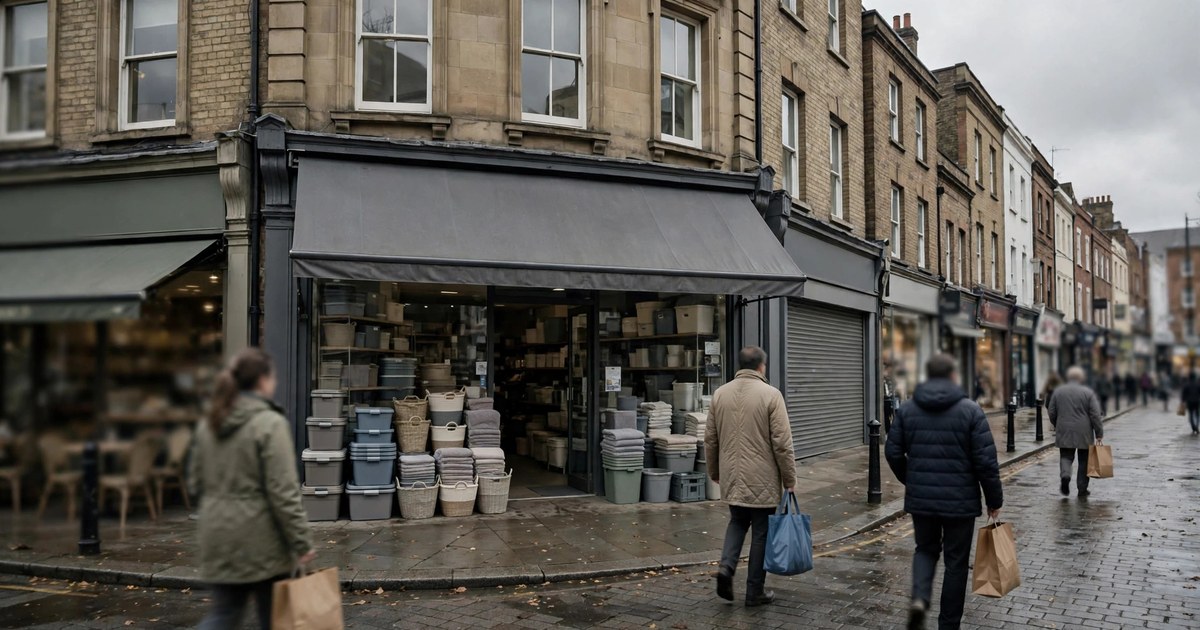
Poundland, the discount retailer with around 600 stores and around 12,000 staff, is on the brink of administration in 2026. The Poundland administration warning became the day’s most talked-about retail story, trending per news coverage on 29 October 2026, after reports that the chain was preparing to file a notice of intention to appoint administrators. That legal step is not the same as entering administration, and the precise filing position matters: some early reports described the notice as already filed, while the Press Association reported on 29 October that Poundland had not yet filed it but was preparing to do so imminently. This Poundland administration explainer sets out what is known, what the notice would mean, why a rescue bid was rejected, and what happens next for staff, shoppers and suppliers.
What the Poundland administration warning means
A notice of intention to appoint administrators is a formal court filing that signals a company’s directors intend to appoint an administrator. In the United Kingdom, filing the notice can trigger an interim moratorium of 10 business days, during which creditors generally cannot take enforcement action without the court’s permission. The directors remain in control of the business during that short breathing space, and the company is not yet in administration. An administrator must then be appointed within the 10-business-day window, or the protection expires. Once administrators are formally appointed, they take control of the company’s affairs and assets and must pursue one of the statutory purposes of administration: rescuing the business as a going concern, achieving a better outcome for creditors than liquidation, or repaying a secured creditor.
For Poundland, the reported plan is therefore a countdown, not an immediate closure announcement. The Press Association reported that the notice, once filed, would give the business 10 working days of breathing space from creditors to secure a potential rescue deal. The Grocer reported that a notice naming consultancy firm AlixPartners as administrator was expected to be filed at any moment, potentially as early as 29 October. The Press Association also reported that advisers at AlixPartners had been appointed to oversee the insolvency process and assess offers to buy all or parts of the business. No announcement in the reporting checked for this article said that Poundland stores would close on a particular date.
Why Poundland reached the brink: the £1 sale and the £30 million loan
The Poundland administration crisis follows a sale and a dispute over money owed to its owner. Gordon Brothers, a United States investment firm, bought Poundland last year for £1 from Pepco, taking on about £30 million in secured debt or a shareholder loan. The firm launched a sale process for the retailer at the start of September 2026. Over the past year, under a turnaround programme, Poundland closed more than 100 shops, reducing its estate from around 800 stores to around 600 stores.
Management and the owner now disagree sharply about whether the business needed to take this step at all. Poundland managing director Barry Williams told staff in a memo this week that the situation was “unexpected, unwanted and wholly avoidable”. He said Gordon Brothers had restricted access to funds that the business would normally expect to use under its existing loan agreement, writing: “I’m disappointed to have to tell you that Gordon Brothers have restricted access to funds that we would in normal circumstances expect to access fully under our existing loan agreement.” Williams also said sales were strong and recovery was taking root, adding: “As you all know, our sales are strong and our recovery is taking root. This business simply does not deserve to go into any kind of administration.” Those are management’s claims, not independently verified trading figures, and they sit alongside reports of rising costs and changing shopping habits that have squeezed discount retail.
The boardroom dispute became public this week when three restructuring experts appointed as Poundland directors just 14 days earlier resigned. Andrew Kirkpatrick, Stephen Welch and Dominic Young had been brought in to steer an emergency sale process, and The Grocer reported that they resigned in protest over Gordon Brothers’ actions to push for administration to recoup its money. Their resignations left the sale process without the independent directors appointed to oversee it, and they were followed by the reports that a notice of intention was imminent.
The rejected rescue bid from Martin Property Group
At the centre of the dispute is a bid that would have kept Poundland whole. Martin Property Group, a Northern Irish family-owned property company, was the only bidder seeking to acquire the entire group as a solvent company, according to Guardian reporting. Poundland’s management named Martin Property Group as its preferred partner earlier in October, and Williams worked on the bid with former Poundland and Asda boss Andy Bond and the wider leadership team. Williams described the offer as a fully funded, ready-to-go bid that would have kept the business intact and able to continue the progress he said it had made.
Gordon Brothers rejected the bid. Reporting by The Guardian, as carried in syndicated coverage, said the offer fell short of the £30 million in debts Gordon Brothers took on when it bought the business, and that Gordon Brothers wanted the £30 million shareholder loan repaid upfront before any sale of the whole business completed. A Gordon Brothers spokesperson said attention must now turn to other active bids, adding that offers for the whole business and for significant viable parts of the business from established retail operators would be objectively evaluated, with a view to minimising uncertainty for Poundland’s people and all relevant stakeholders. The Poundland administration dispute is therefore not only about price. It is about structure: one solvent sale of the whole chain, backed by management, against a break-up in which stores and stock could be sold in parcels, which Gordon Brothers is reported to believe could raise more money.
What happens next in the Poundland administration process
If the notice of intention is filed, the next 10 working days will decide whether Poundland is rescued whole, sold in parts, or formally enters administration. Three Poundland administration outcomes are possible in that window. First, a solvent solution could still be found, which The Grocer described as a slim chance that would rely on a change of heart from Gordon Brothers. Second, administrators could be appointed and then sell the business as a going concern or in parcels to rival retailers, preserving some stores and jobs but not necessarily all of them. Third, the notice could expire without an appointment, although courts expect a genuine intention to appoint and repeated filings without progress can be treated as an abuse of process.
Buyers for parts of the business have already been reported to be circling. The Press Association reported interest from CDS Superstores, the owner of Wilko and The Range; Fortress, the owner of Poundstretcher; and Modella, the owner of TG Jones. Other reports named B&M, Iceland, Aldi and Lidl as retailers understood to be interested in taking on some Poundland locations. None of those reports amounts to a confirmed purchase, and a sale of individual stores would leave the fate of the wider workforce unresolved. The group also includes the 50-store Dealz chain in Ireland, which sits outside United Kingdom insolvency law and would follow a separate path if the United Kingdom business entered a formal process. The signals to watch are a filed notice, a formal appointment announcement, any revised offer from Martin Property Group, and any announcement from AlixPartners or Poundland itself.
What the Poundland administration threat means for staff, shoppers and suppliers
For staff facing the Poundland administration threat, the immediate effect is uncertainty rather than a confirmed redundancy programme. Around 12,000 jobs are described in current reporting as at risk across around 600 stores, and the shopworkers’ union Usdaw has called on the Government to do everything it can to save the jobs. Usdaw general secretary Joanne Thomas and national officer Bally Auluk have warned that redundancies could come before Christmas, and Auluk urged the Government to take robust action. Usdaw has also said it repeatedly sought talks with Gordon Brothers without success. Until administrators are appointed or a sale is agreed, there is no confirmed list of store closures or job losses in the reporting checked for this article, and staff should treat social-media lists of closing stores as unconfirmed unless Poundland, an administrator or the union confirms them.
For shoppers following the Poundland administration story, the reporting gives no confirmed closure date and no confirmed change to opening hours. A notice of intention is designed to create breathing space while a rescue or sale is sought, so the most useful question for shoppers in the next few days is not whether every Poundland store will close, but whether a buyer is found for the store they use. Suppliers face a different pressure. Sky News reported, via The Grocer, that Poundland’s biggest suppliers had started to restrict deliveries over worries the company would not be able to pay its bills. That matters because a discount chain heading into Christmas needs stock on shelves, and restricted supply can make trading harder even before any formal insolvency appointment. Shoppers who hold gift cards or who are waiting for refunds should keep receipts and watch for any formal announcement from an administrator, because no confirmed change to gift-card or returns terms was reported in the coverage checked for this article.
Why the timing matters: Christmas, suppliers and the Budget
The timing of the Poundland administration warning helps explain why this story travelled so quickly. Poundland is reported to be carrying heavy stock ahead of the Christmas trading period, when retailers rely on peak sales and temporary hiring. A swift break-up, selling parcels of stores and stock, is reported to appeal to Gordon Brothers because it could maximise returns quickly, while a whole-business rescue would take longer to agree. The crisis also broke in the same week as the United Kingdom Budget, and Guardian reporting said it threatened to overshadow the Chancellor’s first Budget. Business Secretary Jonathan Reynolds instructed his chief strategic business adviser, David Bickerton, to establish the facts about Poundland’s position, and the Department for Business and Trade contacted Gordon Brothers. A department spokesperson said the period would be concerning for employees, their families and communities. That government attention does not amount to a rescue: ministers have described the process as a commercial decision for the owners, and no public funding or takeover has been announced. The wider context is a high street under pressure from weak consumer spending and rising employment costs, in the same Budget week that changed household measures covered in the 2026 Budget decision to keep the cash ISA limit at £20,000 and the scrapping of gas standing charges for 23 million homes. The Poundland administration outcome will therefore be read as a test of whether a large discount chain can be sold intact, broken up store by store, or lost altogether in the run-up to Christmas.
Sources: Press Association reporting, “Thousands of jobs at risk with Poundland on brink of administration”, 29 October 2026, via Glasgow Times; The Grocer, “Poundland on brink of collapse as administrators lined up”, 29 October 2026; Guardian reporting on the Martin Property Group bid, the £30 million loan and government contact, as carried in syndicated coverage on 28–29 October 2026; Sky News reporting on supplier delivery restrictions, via The Grocer; The Gazette, “Quick guide to administration”, for the statutory purposes and appointment routes; Company Debt and Business Rescue Expert guidance on notices of intention to appoint administrators for the 10-business-day moratorium. The Grocer: Poundland on brink of collapse and Press Association via Glasgow Times: Poundland on brink of administration.