
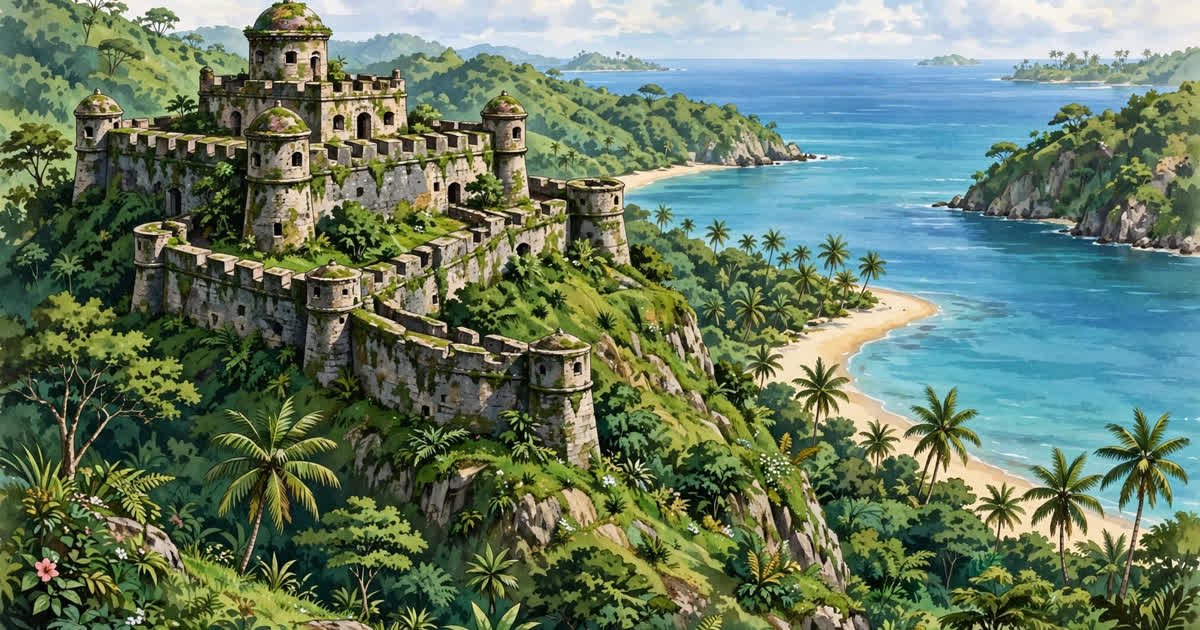
Saint Kitts and Nevis is the smallest sovereign country in the Americas by area, yet it packs an outsized mix of scenery and history into two islands. Visitors come for Saint Kitts and Nevis beaches and historic sites in equal measure: long Atlantic and Caribbean shores, a scenic railway that circles the larger island, a fortress that dominates a hillside, and a quieter sister island reached by a short ferry ride. This guide explains how to split your time between the two islands, which beaches suit which mood, and which historic sites are truly unmissable.
Saint Kitts and Nevis beaches and historic sites: Two Islands, Two Characters
Saint Kitts, the larger island, is home to the capital, Basseterre, the cruise port, most resorts, and the island's main historic sites. Nevis, across a two-mile channel, is smaller, greener, and quieter, with plantation inns, a famously friendly pace, and beaches that rarely feel crowded. A typical trip bases itself on Saint Kitts, adds a day or two on Nevis, and uses the passenger ferry between Charlestown and Basseterre, which takes under an hour. That two-island structure is the key to enjoying Saint Kitts and Nevis beaches and historic sites without rushing: Saint Kitts for variety, Nevis for calm.
Geography shapes the beaches. Saint Kitts has a Caribbean-facing west coast with calmer water and an Atlantic-facing east coast with stronger surf and dramatic black-sand stretches. Nevis is ringed by gentler shores, with Pinney's Beach near Charlestown the best known, plus quieter coves for swimming and snorkelling. When planning Saint Kitts and Nevis beaches and historic sites, match the coast to the activity: west-coast beaches for swimming and sunset dinners, Atlantic beaches for walking, photography, and surf when conditions allow, and always check local currents before swimming on unfamiliar shores.
Historic Sites Not to Miss
The standout historic site is Brimstone Hill Fortress National Park, a UNESCO World Heritage site on Saint Kitts. Built by the British over more than a century from the 1690s, the fortress is sometimes called the Gibraltar of the West Indies, and its ramparts offer sweeping views over the island and the sea. Allow at least half a day, wear sturdy shoes, and bring water, because the climb is steep in tropical heat. In Basseterre, the Circus, a roundabout modelled on London's Piccadilly Circus, the Berkeley Memorial clock, and the National Museum add colonial context, while Romney Manor, with its botanical gardens and Caribelle Batik workshop, shows plantation history through craft.
On Nevis, history is more intimate. The Alexander Hamilton birthplace museum in Charlestown tells the story of the island's most famous son, while plantation inns such as Nisbet and Montpelier preserve great-house architecture and gardens. The Nevis Heritage Trail and small churches, including Cottle Church, built for enslaved people to worship alongside their enslavers' families, offer a sobering and important layer to the island's story. Visiting Saint Kitts and Nevis beaches and historic sites with attention to this history, including the sugar-plantation past, gives a fuller picture than beaches alone, and local guides add context that plaques cannot.
Saint Kitts and Nevis Beaches and Historic Sites by Rail and Shore
For beaches, start with Frigate Bay on Saint Kitts, where the north and south shores meet: the Caribbean side is calm for swimming, while the Atlantic side, known as the Strip, offers bars, restaurants, and livelier waves. South Friars Bay and Cockleshell Bay, on the southeastern peninsula, offer white sand, beach bars, and views across to Nevis, and they suit a full beach day with lunch. On Nevis, Pinney's Beach offers calm water, beach bars, and views back to Saint Kitts, while Oualie Beach suits families and water sports. Together, these shores cover the best of Saint Kitts and Nevis beaches and historic sites for swimming, dining, and simply watching the light change.
The St. Kitts Scenic Railway is a distinctive way to see the island: a narrow-gauge line originally built to carry sugar cane now carries passengers on a three-hour loop around the northern coast, with open-air upper decks and commentary on history, agriculture, and villages. It is best booked in advance, especially on cruise days, and it pairs well with a Brimstone Hill visit. For trip budgeting, see travelling on a budget, and for cover on ferry and boat days, see whether travel insurance is worth it.
Practical Tips
Flights arrive at Robert L. Bradshaw International Airport on Saint Kitts, with a short ferry or flight onward to Nevis. Taxis are the easiest way to reach beaches and sites, while rental cars suit confident drivers comfortable with left-side driving and narrow roads. The dry season, roughly December to April, offers the most reliable weather, while summer brings lower prices and a higher chance of rain. Pack reef-safe sunscreen, water shoes for rocky entries, and modest clothing for churches and historic sites. With a two-island plan, a fortress morning, and a beach afternoon, Saint Kitts and Nevis beaches and historic sites reward unhurried travellers with history, scenery, and warm Caribbean water in a single, compact trip.
Food and drink are a quiet highlight of both islands. Saint Kitts offers fresh seafood, goat water stew, and conch dishes at beach bars and in Basseterre restaurants, while Nevis is known for its plantation-inn dining, fresh local produce, and the famous Killer Bee rum punch at Sunshine's on Pinney's Beach. Markets in Basseterre and Charlestown sell tropical fruit, spices, and crafts, and they are worth a morning visit even if you buy little. When you explore Saint Kitts and Nevis beaches and historic sites, build in at least one long, unhurried lunch, because island meals are social occasions, not refuelling stops. Saint Kitts and Nevis beaches and historic sites pair naturally with that slower food culture, and together they explain why so many visitors return to these small islands year after year.
In short, do not try to see everything in a day. Give Saint Kitts two or three days for Brimstone Hill, Basseterre, the railway, and Frigate Bay, then give Nevis at least a day for Charlestown, Pinney's Beach, and a plantation inn lunch. That balance is the secret to Saint Kitts and Nevis beaches and historic sites: history in the morning, beach in the afternoon, and the ferry ride between them as part of the experience itself.