
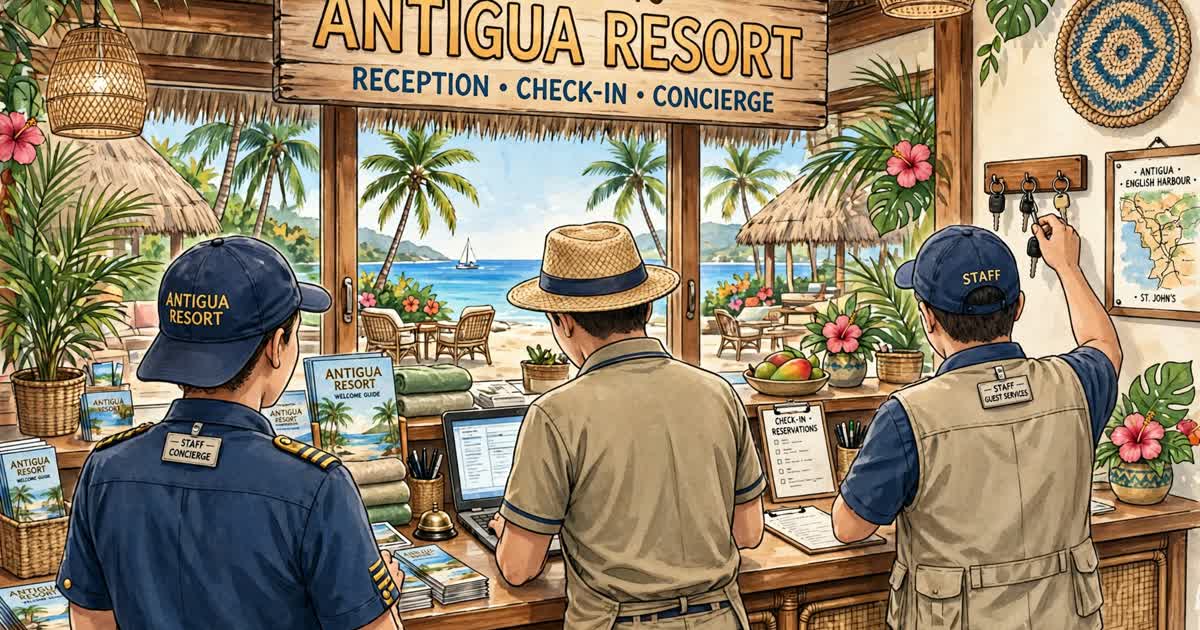
Tourism drives the Antiguan economy, and Antigua tourism jobs form the largest single source of employment on the island, from large all-inclusive resorts to boutique hotels, restaurants, tour companies, and cruise services. For Antiguans, the sector offers careers that can start at entry level and rise to general management, while for foreign workers it offers specialist roles in a famously beautiful workplace.
This guide explains Antigua tourism jobs practically: which roles exist, where to find them, what employers expect, how seasons affect work, and how work permits function for non-nationals. It is written for job seekers on the island and abroad who want a realistic picture before applying.
Roles Available in Antigua Tourism Jobs
tourism roles in Antigua cover the full hospitality range. Front-of-house roles include receptionists, concierges, waiters, bartenders, and guest relations officers, where personality, English fluency, and calm under pressure matter most. Housekeeping, laundry, maintenance, gardening, and kitchen roles keep resorts operating, and they offer steady employment with clear paths to supervision for reliable workers.
Specialist hospitality work on the island include chefs, spa therapists, dive instructors, boat crew, tour guides, and entertainment staff, many requiring certifications or licences. Management roles, from department heads to resort general managers, usually demand hospitality degrees or years of progressive experience. Cruise-related employment, airport handling, and taxi and tour operations extend tourism work beyond hotel walls into the wider island economy.
Where to Find Antigua Tourism Jobs
Most tourism roles in Antigua appear on resort career pages first, since large properties recruit continuously and post openings on their own websites before anywhere else. Local newspapers, the Department of Labour, and recruitment agencies also list roles, while social media groups share openings informally. Networking is powerful in a small island job market, where managers trust recommendations from current staff.
Apply online for resort roles, then follow up in person where appropriate, dressed professionally with a printed resume and certificates. Seasonal hiring for hospitality work on the island peaks in autumn ahead of the winter high season, so applications in September to November catch employers planning December staffing. Year-round properties hire steadily, but the pre-season surge offers the most openings at once.
Skills Employers Want in Antigua Tourism Jobs
Employers filling tourism roles in Antigua look first for reliability, friendliness, and teamwork, since hospitality work is intense during peak season and guest-facing from the first shift. Formal qualifications help, particularly food hygiene certificates for kitchen and service staff, first aid for activity roles, and hospitality diplomas for management tracks. Additional languages, especially Spanish, French, or German, set candidates apart with international guests.
Appearance standards are strict in luxury resorts, and staff must maintain grooming, uniform, and conduct standards consistently. Computer skills help front desk and reservations roles, while driving licences help tour and transport work. Short courses from local training institutions can quickly make an entry-level applicant competitive for hospitality work on the island, and employers often support further training for promising staff.
Pay and Seasons in Antigua Tourism Jobs
Pay for tourism roles in Antigua varies by role, property, and experience, with entry-level service and housekeeping roles earning modest base wages often topped up by tips and service charges. Skilled chefs, therapists, and managers earn considerably more, and some resorts provide meals, transport, uniforms, and staff accommodation, which stretch wages further. Always ask about the full package, not just the hourly rate, before accepting.
Seasonality shapes Antigua tourism jobs strongly: winter high season brings full hours and overtime, while the autumn low season can reduce hours, especially in smaller properties. Wise workers save peak-season earnings for quiet months and use low season for training and certification. Ask about guaranteed hours, low-season arrangements, and tip policies at interview, since these details determine real annual income.
Work Permits for Antigua Tourism Jobs
Foreign nationals need a work permit for Antigua tourism jobs, sponsored by an employer who must generally show that no qualified Antiguan or CARICOM national is available. Permits are most attainable for specialist roles, such as executive chefs, dive instructors, and senior managers, and hardest for entry-level roles with many local applicants. Applications involve job offers, police records, medical checks, and fees, and processing takes time.
Never work in Antigua without a permit, and never pay unofficial agents promising guaranteed approvals. Verify job offers with the employer and the immigration department before travelling, and check permit conditions on arrival, including employer, role, and expiry date. Lawful Antigua tourism jobs protect workers with labour law rights, while informal work leaves workers vulnerable and risks removal.
Building a Career From Antigua Tourism Jobs
Careers in Antigua tourism jobs grow through internal promotion, cross-training, and certification. A waiter who learns bartending and supervision, a housekeeper who trains in front desk systems, or a cook who earns culinary qualifications all become candidates for senior roles. Ask managers about training paths during your first months, and volunteer for events and busy periods where reliability becomes visible to decision-makers.
Some experienced workers eventually start their own tourism businesses, from guesthouses and tour companies to catering and transport services, using reputations built over years. Antigua tourism jobs reward consistency and good service, and in a small industry, a strong reputation travels fast. Whether your goal is management or entrepreneurship, treat every guest interaction as part of a career that can span decades on the island.
Training pathways for tourism workers in Antigua include hospitality programs at local institutions, on-the-job certification in food safety and first aid, and management courses offered by larger resorts. Workers who complete these programs qualify for supervisory roles faster and earn higher wages, while employers gain staff capable of handling guest complaints, emergencies, and busy peak periods. Investing a few weeks in training early in a career pays dividends for decades in island hospitality.
For related guidance, see Mauritius jobs in finance, ICT and tourism, how to prepare for a job interview, Antigua and Barbuda beaches and resorts guide.
Sources: Antigua and Barbuda Tourism Authority, Antigua and Barbuda Department of Labour, Antigua Hotels and Tourist Association.