
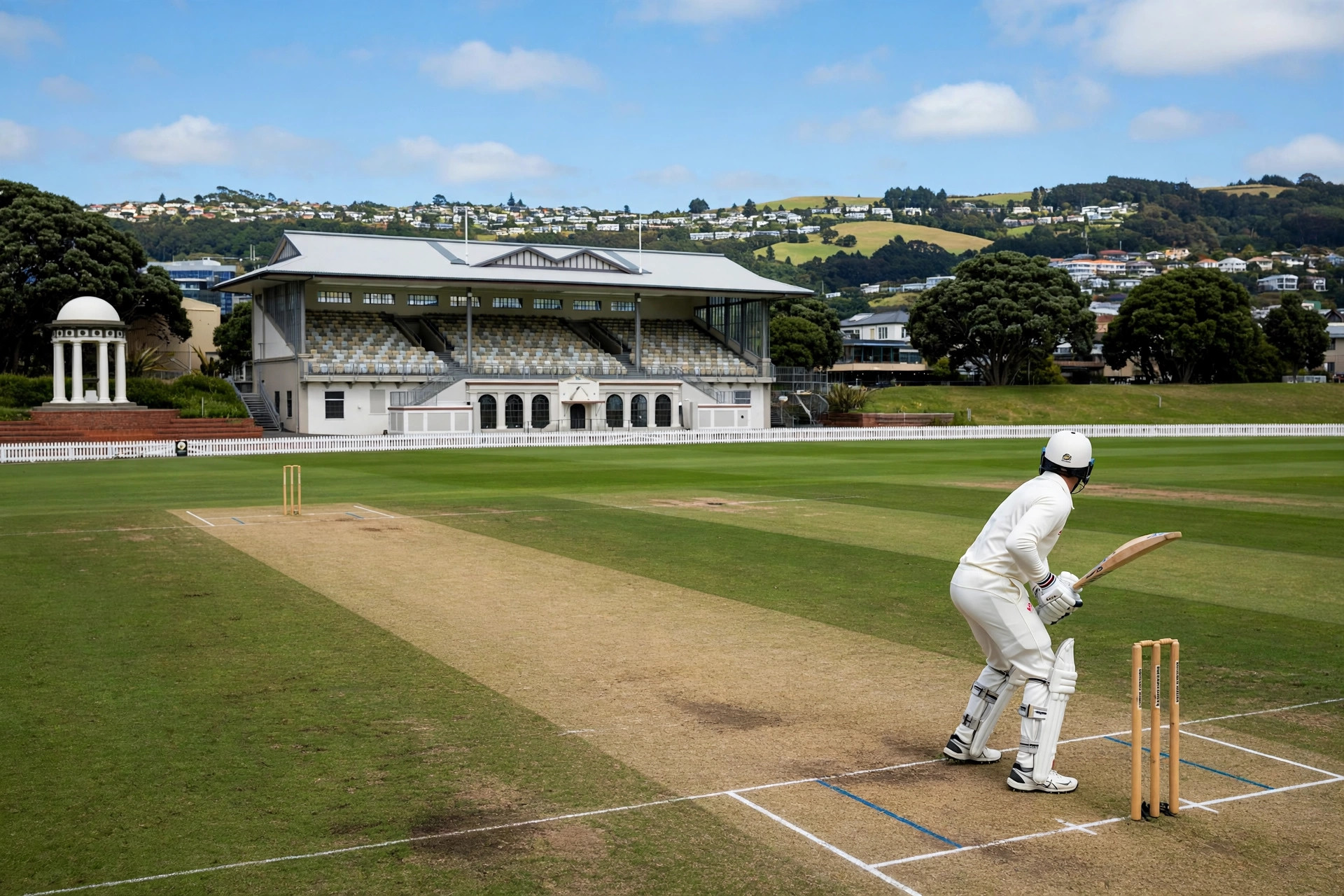
The New Zealand vs India 1st Test begins today at Basin Reserve in Wellington, and it arrives with a shape that is easy to read: a returning fast bowler on one side, an absent all-rounder on the other, and World Test Championship points on the line across a short two-Test series. The match runs from 19 to 23 November 2026, starting at 11:00 AM New Zealand Daylight Time, which is 3:30 AM in India. Gill won the toss and chose to bowl. The second Test follows from 27 November to 1 December at Hagley Oval in Christchurch. For India, this is the first Test assignment in New Zealand since the 2019-20 tour, and the gap gives the series a sense of unfinished business that both teams will feel from the first session.
The series sits inside the ICC World Test Championship 2025-27 cycle, which gives every session a weight beyond the match itself. India are captained by Shubman Gill, with KL Rahul as vice-captain. New Zealand are captained by Tom Latham. India come into the Tests having already won the white-ball legs of this tour: the ODI series 3-1 and the T20I series 3-2. Those results show a team in form, but Test cricket in New Zealand is a different examination, and the conditions at Basin Reserve will test a different set of skills from the ones that won the shorter formats. The broadcast picture is wide: Sony Sports Network and SonyLIV carry the series in India, Sky Sport NZ in New Zealand, TNT Sports in the United Kingdom, and Willow TV in North America.
New Zealand vs India 1st Test: Bumrah returns for India
The biggest selection story for India is the return of Jasprit Bumrah. Bumrah sat out both white-ball legs of the tour and rejoins the squad for the Tests, which means India start the series with their leading fast bowler fresh and available. His return changes the shape of the attack in a direct way: Gill has said India will field a four-man pace attack, and Bumrah sits at the head of it. A four-man pace attack in New Zealand is a statement of intent. It says India believe the conditions will reward fast bowling, and it says they have the depth to sustain that approach across five days.
Bumrah sat out the white-ball matches of the tour, and his return for the Tests fits the pattern of how India have handled their premier bowler on long tours: held back from the shorter formats so that he is ready for the format where his workload matters most. In Wellington, that readiness will be tested against a New Zealand batting line-up playing at home. The first spell of the match, whoever bowls it, will set a tone, and Bumrah's presence gives India a bowler who can take wickets with the new ball and hold a line when the ball stops moving.
The four-man pace plan also shapes the rest of the team. With four quicks in the side, the balance of the batting and the spin options shifts, and the captain's decision to bowl first after winning the toss reflects that. Gill's public statement about the pace attack is a clear signal of how India intend to play this series, and it is worth watching how that plan holds up if the pitch flattens or the weather changes. Basin Reserve is a ground where conditions can move within a day, and a pace-heavy side needs its bowlers to stay effective when the swing fades.
New Zealand vs India 1st Test: Santner out, Foxcroft in
New Zealand's selection story runs in the opposite direction. Mitchell Santner is out of the first Test with a fractured hand or finger, and he has been replaced in the squad by Dean Foxcroft. Santner's absence removes a left-arm spin option and a lower-order batter from the home side, and it changes the balance Latham can field. Santner is the kind of cricketer whose value shows up across a match rather than in a single spell: he holds an end, he bats usefully, and he gives the captain a different angle when the quicks need a rest. Losing him before the first Test is a real setback for the hosts.
Foxcroft's inclusion gives New Zealand a replacement, but a replacement is not the same as the player he stands in for. The home side will need to rethink how it uses its spin and how it lengthens its batting, and those choices will be visible in the team named for the first morning. The absence also puts more weight on the rest of the attack. New Zealand's fast bowlers at home are a strength in their own right, and the Basin Reserve conditions will suit them, but they will now carry the load without the spin support Santner would have provided.
The contrast between the two teams' news — Bumrah back, Santner out — is the kind of detail that shapes a series before a ball is bowled. It does not decide the result, and Test cricket has a long habit of overturning pre-match reading. But it does frame the first Test: India arrive with their best bowler restored, New Zealand start without one of their most useful all-rounders, and the home side will need its other strengths to cover the gap.
Basin Reserve: what the ground and the record say
Basin Reserve has a record that rewards attention. At this ground, teams bowling first have won 30 of 73 matches. The average first-innings score and the average second-innings score are both over 300. Those two facts sit together in a useful way: the ground has produced results for the side that bowls first, and it has also produced substantial first-innings totals. That combination suggests a pitch that offers something to the bowlers early without being a low-scoring minefield, and a match that can move in either direction depending on how the first innings is played.
The 30-from-73 figure for teams bowling first is a strong tilt, and it was in both captains' minds at the toss at 3:00 AM Indian time. Gill won it and chose to bowl first, and the ground's history gives that bowling-first option a weight that it would not carry everywhere. The average scores over 300 in both the first and second innings add a counterweight: a side that bats first and bats well can still post a large total, and a side that bowls first still needs to take wickets to make the choice pay. The ground rewards good cricket in both disciplines rather than handing the match to one of them.
India's record in New Zealand is part of the background too. This is their first Test assignment in the country since the 2019-20 tour, and the gap means few of the current players carry recent Test experience of these conditions. The white-ball wins on this tour — 3-1 in the ODIs, 3-2 in the T20Is — show the squad is comfortable in New Zealand, but the Test format, the five-day length and the Basin Reserve pitch are a separate test. The second Test at Hagley Oval in Christchurch, from 27 November to 1 December, will bring a different ground and a different set of conditions, so the Wellington result will set the tone for a short series where there is little room to recover from a bad start.
Why the New Zealand vs India 1st Test matters and what to watch
The match matters because World Test Championship points are at stake in a cycle where every series counts, and because a two-Test series leaves no margin for a slow start. The side that wins in Wellington takes a lead that the other side must overturn in Christchurch, with only one match left to do it. The side that loses in Wellington faces a must-win second Test. That structure gives the first morning a sharpness that a longer series would spread more thinly.
What to watch is clear. Watch Bumrah's first spell and how the four-man pace attack is used across the day. Watch how New Zealand cover Santner's absence, and whether Foxcroft's inclusion changes the balance of the side. Watch how Gill's decision to bowl first after winning the toss plays out, given the ground's record for teams bowling first. Watch how the first innings unfolds against the average of over 300, and whether the side batting first can build the kind of total that changes the match. And watch Gill's captaincy in his first Test series as captain in New Zealand, with Rahul as his deputy, against a home side led by Latham.
The broadcast times make this a match for early risers in India: 3:30 AM for the start, 3:00 AM for the toss, with Sony Sports Network and SonyLIV carrying it. For viewers in New Zealand the start is 11:00 AM local time, and for viewers in the United Kingdom and North America the coverage sits on TNT Sports and Willow TV. The match begins today, and the first day will answer the first questions: how the pitch plays, how the pace attacks shape up, and which side settles first. The fuller answers — who takes the series lead, how the WTC table moves — will come across the five days in Wellington and the second Test in Christchurch. Readers following the tour can also revisit the fifth ODI result, the first ODI win, and the news of Jay Shah's re-election as ICC chairman.
Sources: Cricbuzz, CricStats, JagranJosh, Rajasthan Royals, KhelNow — November 2026.