
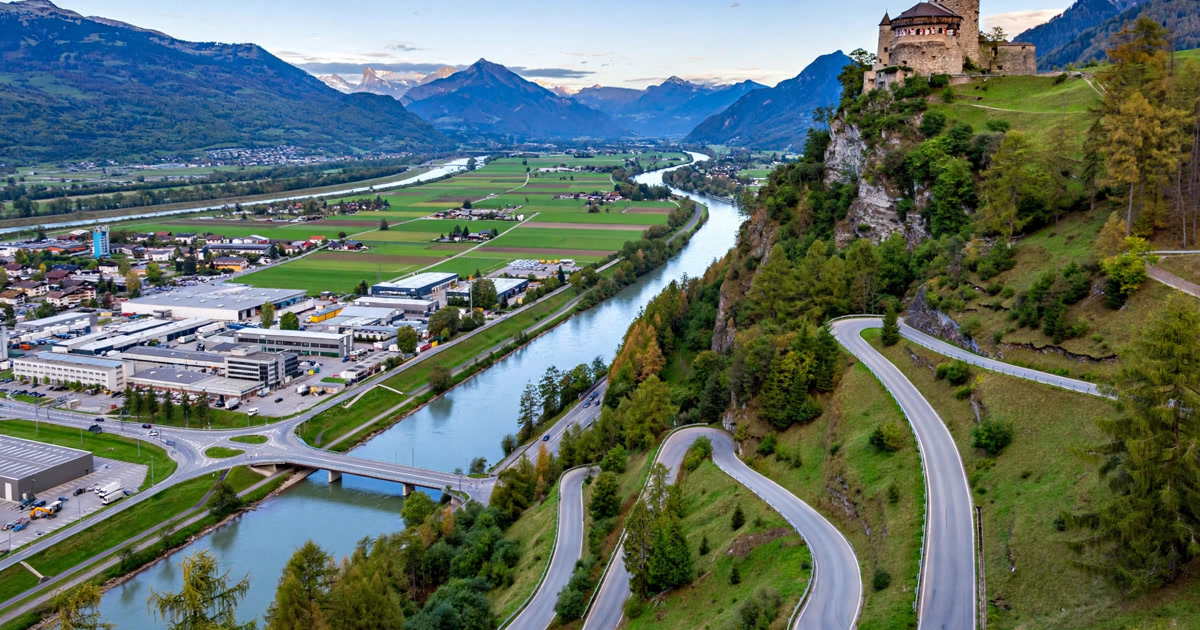
More than half of Liechtenstein's workforce commutes daily from Switzerland and Austria, making cross-border employment the principality's defining labour pattern. Liechtenstein cross-border jobs span finance, manufacturing, precision engineering and services, with Vaduz, Schaan and Triesen as hubs.
This guide explains Liechtenstein cross-border jobs: who commutes, what permits apply, which sectors hire, how salaries and taxes work, and what daily commuting involves. It suits workers in eastern Switzerland, Vorarlberg and beyond.
Who Works Liechtenstein Cross-Border Jobs
Liechtenstein cross-border jobs attract Swiss residents from St. Gallen and Graubünden, plus Austrian residents from Vorarlberg, who cross the Rhine daily by car, bus and bike. Many workers live in Feldkirch, Buchs or Sargans and work in Vaduz or Schaan.
Commuters include finance professionals, engineers, technicians, healthcare workers and service staff, drawn by Liechtenstein employers, salaries and specialised roles unavailable locally. Cross-border life blends two countries' housing, schools and services.
Permits for Cross-Border Workers
Liechtenstein cross-border jobs permits depend on nationality: Swiss and EEA citizens generally work with registration and cross-border permits, while third-country nationals face stricter quotas and employer sponsorship. Daily return to the home country defines cross-border status.
Workers should confirm permit type, validity and renewal with employers and migration authorities before starting, since working without proper authorisation risks fines and future bans. Employers typically guide permit applications for new hires.
Sectors Hiring Cross-Border Workers
Sectors for Liechtenstein cross-border jobs include private banking and wealth management, precision manufacturing, dental and medical technology, construction, and public services. Hilti, Ivoclar and banks anchor industrial and financial employment.
Manufacturing roles suit engineers and technicians, finance roles suit bankers and compliance specialists, and service roles suit multilingual staff. Language needs vary: German dominates workplaces, with English common in finance and international firms.
Salaries, Taxes and Daily Commuting
Salaries for Liechtenstein cross-border jobs are high by regional standards, reflecting finance and precision industry, though living costs in Switzerland offset gains for Swiss-based commuters. Taxation depends on residence, workplace and double-tax treaties, requiring professional advice.
Daily commuting involves Rhine bridges, bus lines and cycling paths, with peak traffic at border crossings. Prepare how to write a strong resume in German and English, and practise how to prepare for a job interview with examples from finance or manufacturing.
Living Cross-Border: Practical Tips
Living cross-border means managing two systems: residence-country healthcare, schools and taxes, plus workplace-country employment, social insurance and pensions. Keep records organised, since cross-border administration involves both countries' authorities.
Many commuters value the balance: Liechtenstein salaries and specialised jobs, plus Swiss or Austrian housing, schools and lifestyles. Understanding both systems before accepting a Liechtenstein cross-border jobs offer prevents surprises.
Cross-Border Healthcare and Insurance
Cross-border healthcare for Liechtenstein workers involves residence-country health insurance, workplace accident cover and cross-border care arrangements, with workers often using Swiss or Austrian doctors and hospitals near home.
Coordination between systems requires documents, including European Health Insurance Cards and employer certificates, plus understanding which country covers which treatment. Keep insurance cards and employer details accessible.
Cross-Border Education and Schools
Cross-border families often live in Switzerland or Austria for schooling, with children attending local schools while parents work in Liechtenstein. School choices affect language, curriculum and friendships, with German-language schools common on both sides.
Families should research school admissions, transport and after-school care before relocating for cross-border work. Liechtenstein schools also accept cross-border pupils in some cases, adding options.
Transport: Buses, Cars and Bikes
Cross-border transport includes LIEmobil buses linking Vaduz, Schaan, Buchs and Feldkirch, plus car routes over Rhine bridges and cycling paths along the river. Bus passes and employer transport allowances ease commuting costs.
Peak-hour traffic at bridges delays car commuters, making buses and bikes attractive alternatives. Cycling to work suits nearby residents, with flat Rhine Valley routes and bike parking at workplaces.
Cross-Border Taxes in Detail
Cross-border taxes involve residence-country income tax, workplace social contributions, double-tax treaties and specific Liechtenstein-Swiss-Austrian arrangements, with outcomes varying by residence, marital status and income type.
Professional tax advice is essential, since mistakes cause double taxation or penalties. Keep payslips, tax certificates and residence proofs organised for annual filings in relevant countries.
Liechtenstein Cross-Border Jobs: Daily Life Tips
Daily life for Liechtenstein cross-border jobs workers means balancing two countries' shops, services, holidays and social lives, with lunch in Vaduz, shopping in Feldkirch or Buchs, and weekends in mountains on either side.
Liechtenstein cross-border jobs daily life rewards organisation: transport passes, lunch routines, cross-border banking and bilingual communication all smooth the rhythm of commuting.
Liechtenstein Cross-Border Jobs: Career Growth
Career growth in Liechtenstein cross-border jobs follows performance, language skills, qualifications and internal mobility, with finance and manufacturing employers offering training, promotion and cross-border project roles.
Liechtenstein cross-border jobs careers benefit from networks spanning Liechtenstein, Switzerland and Austria, opening opportunities in three labour markets. Invest in German, technical skills and professional relationships for advancement.
Settling In: Housing Near the Border
Housing choices for border workers balance rent, commute time and lifestyle. Swiss border towns offer short commutes and higher rents, Austrian towns offer lower rents and longer drives, and living inside the principality suits those who value the shortest commute.
Compare total costs, not just rent: transport passes, parking, health insurance and tax treatment all differ by residence. Visit neighbourhoods at commuting hours before signing a lease, and check public-transport timetables for early shifts.
Language Skills for Border Workers
German dominates workplace communication, while English helps in international firms and finance. Border workers who invest in German courses find promotions, social integration and everyday tasks noticeably easier.
Even basic German transforms commuting life: reading transport notices, chatting with colleagues and handling administrative appointments all become smoother with conversational skills.
Liechtenstein's cross-border model works because geography, language and economics align. Confirm permits, understand taxes, and commuting to Vaduz can combine the best of two countries.
Sources: Liechtenstein Office of Economic Affairs; Liechtenstein government employment guides; EURES.