What Is Fermentation? How Microbes Transform Food
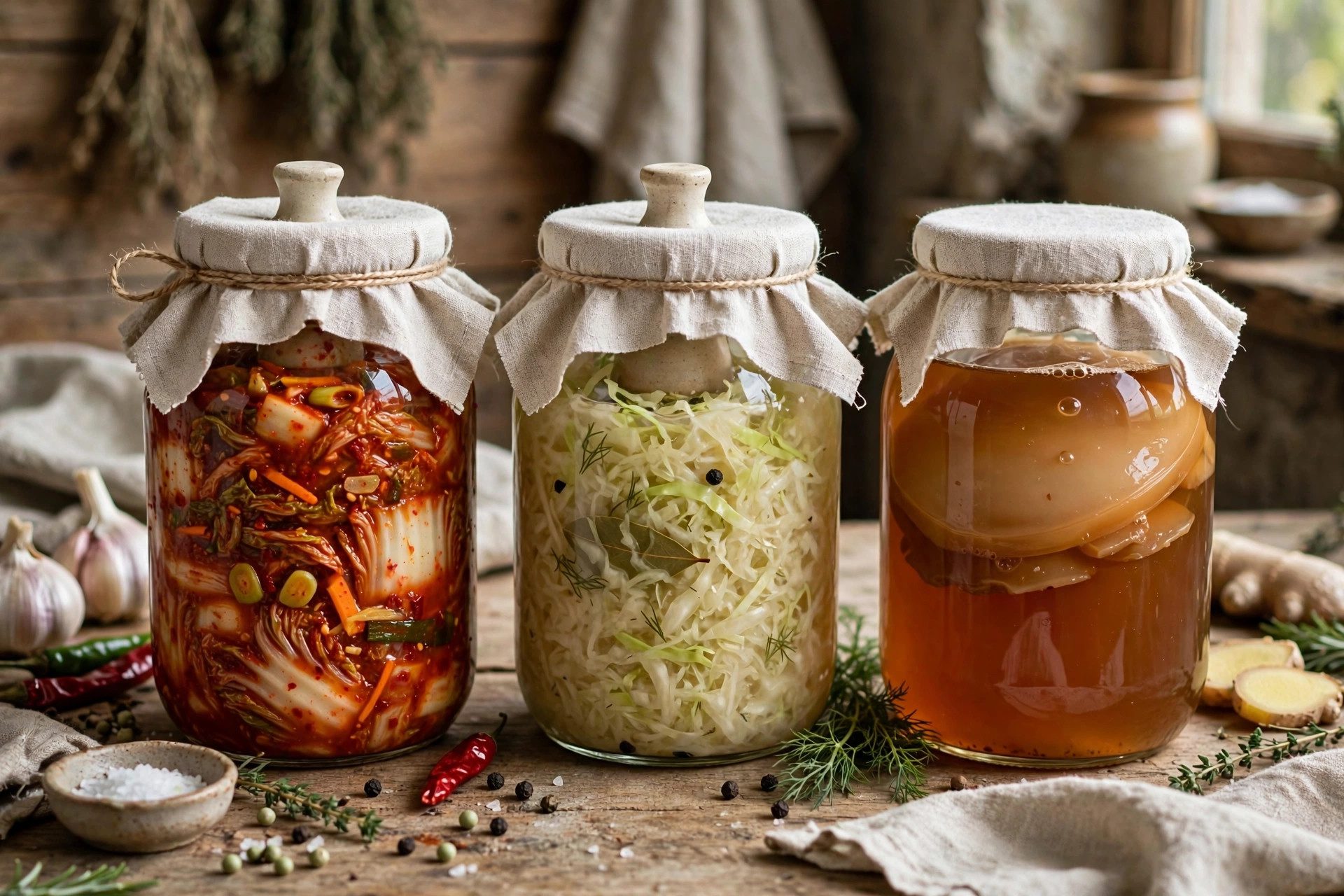
Yogurt, kimchi, sourdough, kombucha — all made by fermentation. Learn how microbes transform raw ingredients, the main types, and how to ferment safely at home.
Cooking, cuisines, ingredients and food culture from kitchens around the world.
Yogurt, kimchi, sourdough, kombucha — all made by fermentation. Learn how microbes transform raw ingredients, the main types, and how to ferment safely at home.
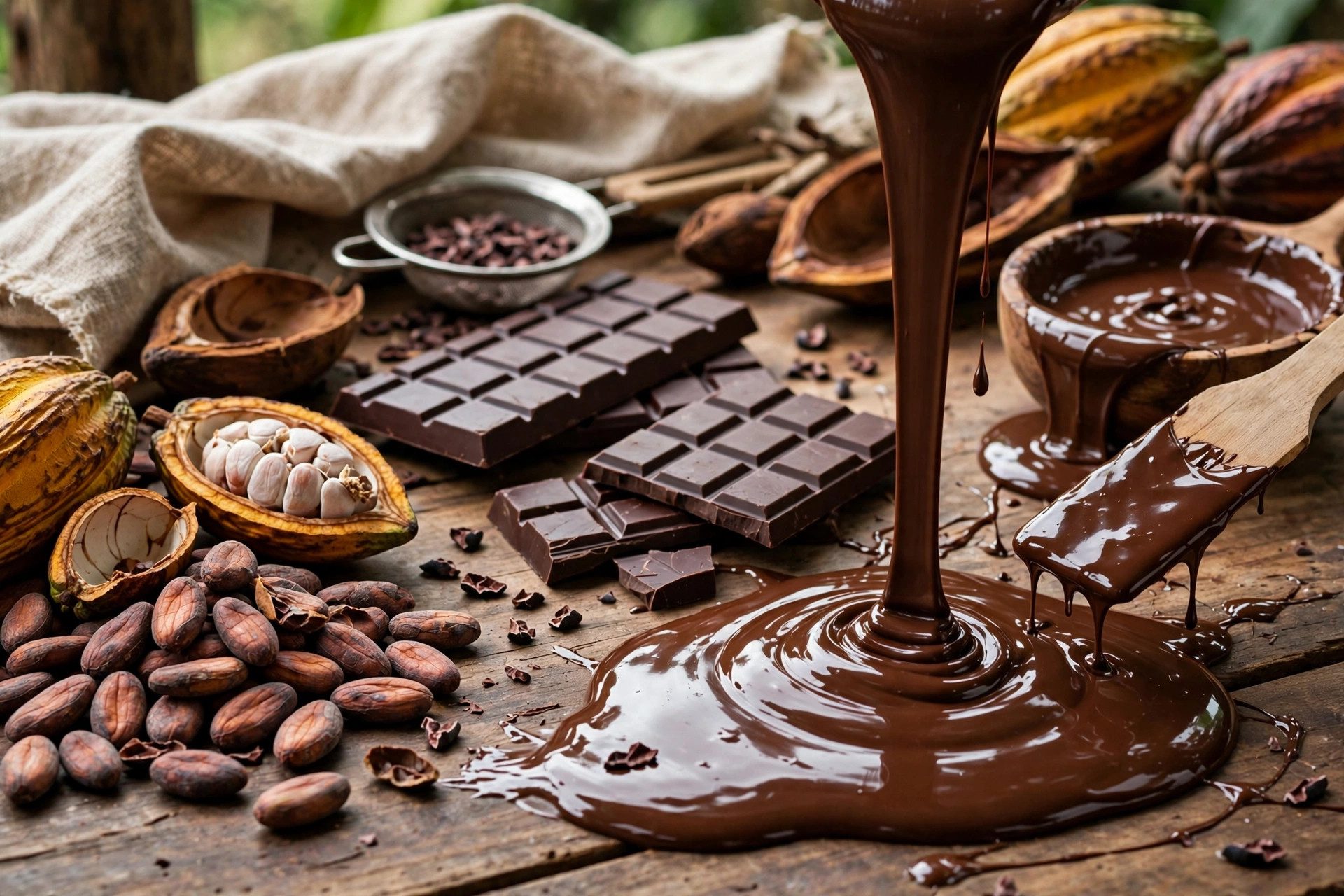
Chocolate begins as a tropical fruit and goes through fermentation, drying, roasting, and conching. Follow the full journey from cacao pod to chocolate bar.
Fermentation is a process where microorganisms like bacteria and yeast convert sugars in food into acids, gases, or alcohol — without oxygen. This transformation preserves the food, creates new flavors (like the tang in yogurt or sourdough), and can make nutrients easier to absorb.
Read more in: What Is Fermentation? How Microbes Transform Food
Cacao pods are harvested by hand, and the beans are fermented for 5-7 days to develop flavor precursors. They are then sun-dried, shipped, roasted, and cracked to release the nibs. Nibs are ground into chocolate liquor, mixed with sugar (and milk for milk chocolate), conched for hours or days to refine texture and flavor, tempered for gloss and snap, then molded into bars.
Read more in: How Is Chocolate Made? Why a $2 Bar and a $12 Bar Taste Different
economics circulatory system education test inflatoin health explainer