
Rhabdomyolysis is the rare muscle condition at the centre of a tragedy at the New York City Marathon — and searches for the term have surged worldwide since the news broke. Rachel Apa, a 24-year-old running her first marathon, collapsed near the 24-mile mark in Central Park on Sunday, 1 November 2026, and died in hospital hours later. Her father, Steve Apa, told The New York Times that doctors said she died from rhabdomyolysis, a condition in which muscle tissue breaks down and releases substances into the blood that can damage the kidneys and the heart. This guide explains what rhabdomyolysis is, its symptoms and causes, how it is treated, and how runners can lower the risk.
What Is Rhabdomyolysis?
Rhabdomyolysis (pronounced rab-doe-my-ah-luh-sis) happens when skeletal muscle — the muscle attached to the bones — is damaged so badly that its fibres break down and die. As the muscle disintegrates, it releases its contents into the bloodstream, including a protein called myoglobin and the electrolyte potassium. The kidneys try to filter myoglobin out of the blood, but the large molecules can clog the tiny tubes inside the kidneys, poisoning the tissue and causing kidney failure. At the same time, potassium leaking from damaged cells can disrupt the heart's electrical signals, triggering a fatal irregular heartbeat or cardiac arrest. The Cleveland Clinic describes the condition as potentially life-threatening and says it needs urgent hospital care.
About 26,000 people in the United States develop rhabdomyolysis each year, according to the Cleveland Clinic. Most cases follow a major injury, but the condition can also be triggered by extreme exercise — known as exertional rhabdomyolysis — the form linked to endurance events such as marathons.
What Happened to Rachel Apa at the New York City Marathon?
Apa, from Lewisberry, Pennsylvania, was running the New York City Marathon for the first time on Sunday, 1 November 2026, raising money for the Parkinson's Foundation in memory of her grandfather, who died of Parkinson's disease in 2022. A former Division I field hockey player at Bucknell University, she had recently started a master's degree at Charleston Southern University and worked as an industrial-technology product manager. She had raised more than $8,000 for the charity, more than double her $4,000 goal, according to PhillyVoice.
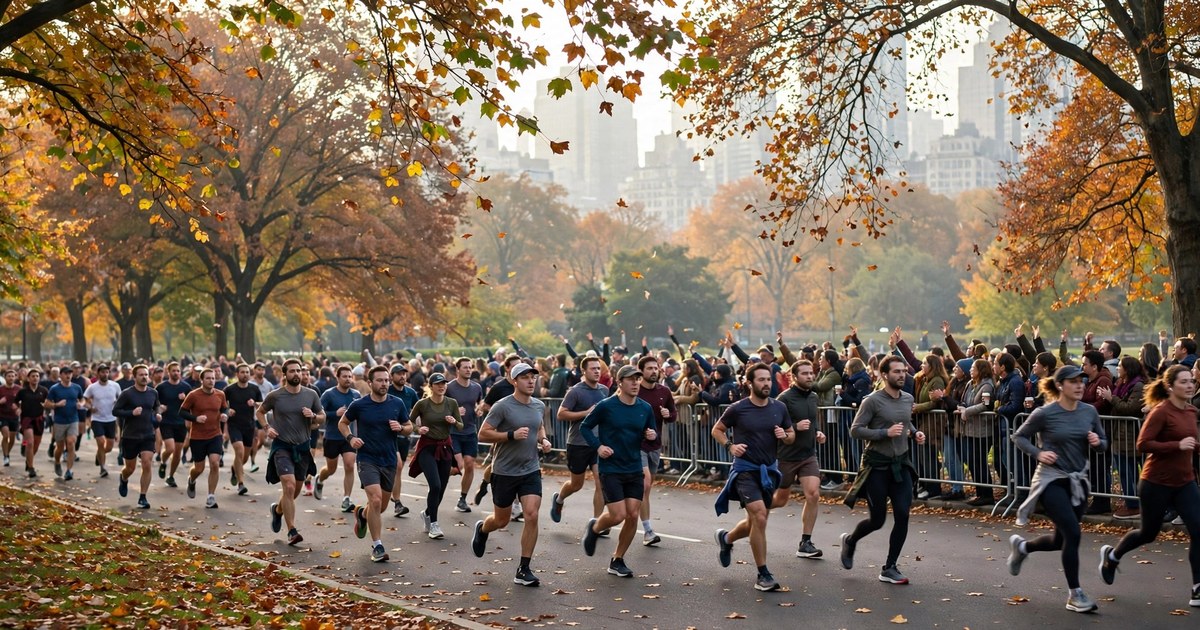
She collapsed in Central Park near the 24-mile mark — just over two miles from the finish of the 26.2-mile race — at about 1:30 p.m. local time. Bystanders began CPR, and race medical staff used a defibrillator before paramedics took her to Mount Sinai Medical Center. Doctors worked for more than six hours, and she was pronounced dead at about 9:40 p.m., her father told The New York Times.
New York Road Runners, which organises the race, said in a statement on Tuesday, 3 November, that it was "deeply saddened" by her death. It was the first runner death linked to the event since 2024, the organisers said. The race itself set a record, with 61,146 finishers, making it the largest marathon in history for a third consecutive year — and it marked 50 years of the race in its five-borough format, according to the Associated Press.
Rhabdomyolysis Symptoms: The Warning Signs to Watch For
Rhabdomyolysis symptoms can range from mild to severe, and they do not always appear straight away. According to the Cleveland Clinic, they usually develop one to three days after a muscle injury, although some people notice no muscle soreness at all. The warning signs include:
- Severe muscle pain, tenderness or cramps, often in the shoulders, upper thighs or lower back
- Muscle weakness and swelling
- Dark urine that is brown, red or tea-coloured
- Passing much less urine than usual
- Nausea, vomiting and fever
- Confusion or agitation
Dark urine is the most distinctive sign: it appears when myoglobin from broken-down muscle reaches the kidneys. Anyone who develops these symptoms after intense exercise or an injury should seek urgent medical help — the condition can become life-threatening quickly, and early treatment makes a real difference. Serious medical emergencies can develop with little warning, even in people who seem healthy: a US senator was recently hospitalised after a stroke and is expected to recover.
What Causes Rhabdomyolysis?
Anything that severely damages muscle can cause rhabdomyolysis. The Cleveland Clinic lists the main causes as:
- Extreme physical exertion, such as marathon running or jumping into an intense exercise programme too fast
- Crush injuries, severe burns or electric shocks
- Heatstroke and severe dehydration, which speed up muscle breakdown
- Certain medicines, including statins and some psychiatric and antiviral drugs
- Alcohol and illicit drugs
- Prolonged immobility, for example lying in one position for a long time
- Some infections and inherited muscle conditions, such as McArdle disease
Endurance athletes are at particular risk from exertional rhabdomyolysis. The risk rises when a runner pushes far beyond their usual training, exercises in heat without enough fluids, or trains through severe muscle pain. Doctors who studied the 2022 New York City Marathon counted 24 runners treated for rhabdomyolysis after that race, when temperatures peaked at 75°F (about 24°C) with humidity near 80 percent, according to a paper published in the journal Nephron.
How Is Rhabdomyolysis Treated?
Treatment focuses on stopping the muscle breakdown from damaging the kidneys. The main treatment is intravenous (IV) fluids, given in hospital to flush myoglobin out of the kidneys and keep them working. Patients are usually admitted for monitoring, with blood tests and urine checks, while doctors watch kidney function and potassium levels closely.
If the kidneys fail, dialysis may be needed until they recover. Treatment can also include correcting electrolyte imbalances and, where relevant, stopping any medicine that may have contributed. Many patients who survive are left with muscle weakness for weeks, and doctors may advise months without strenuous exercise, according to the Cleveland Clinic. The key point is speed: caught early, the condition can often be stopped before it causes lasting kidney damage.
How Runners Can Lower the Risk of Rhabdomyolysis
Rhabdomyolysis is rare, and most marathon finishers never come close to it — 61,146 people finished the 2026 New York City Marathon, and only one runner died. But the risk is real for anyone who pushes their body hard, and doctors say a few habits help:
- Build up training gradually. Jumping into high mileage or intensity too fast is one of the clearest triggers, so increase distance and effort slowly over weeks and months — our beginner's guide to start running explains how to do that safely.
- Stay hydrated, especially in heat, and slow down or stop if you feel unwell.
- Never train through severe muscle pain, swelling or dark urine — those are warning signs, not badges of effort.
- Rest properly between hard sessions so muscles have time to recover.
- Be cautious with medicines and supplements that can raise the risk, and ask a doctor if you are unsure.
Above all, listen to your body. According to The New York Times, Apa texted her father during the race that she was in pain at around the 18th and 19th miles, replying "Ow" and then "Ow ow" — a reminder that pain during a race should never simply be pushed through.
Sources: Associated Press; The New York Times; USA Today; People; New York Post; PhillyVoice; Medical Daily; Cleveland Clinic; Marathon Handbook; New York Road Runners.